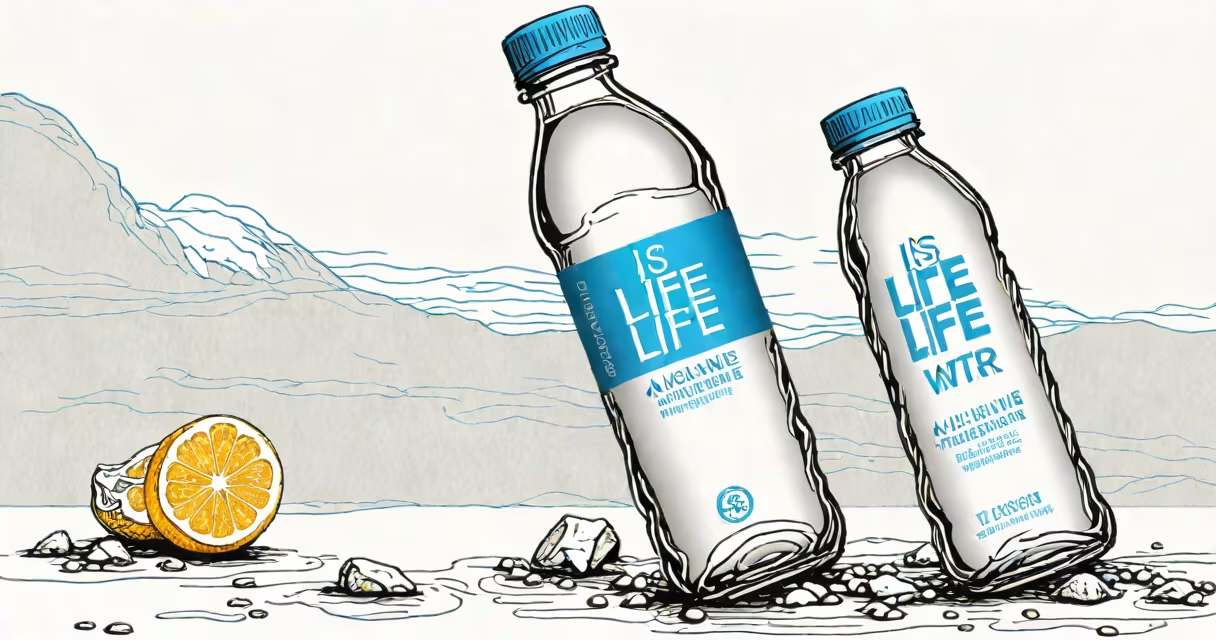
Life WTR is a brand of bottled water marketed as alkaline, with a pH typically ranging between 8.0 and 9.0, higher than regular tap water. The product is sold in single-serve bottles and promoted for improved hydration and potential health advantages linked to alkalinity.
Alkaline water has a pH above 7.0, the neutral point of water. Regular tap water averages around 6.5 to 8.5 pH depending on location. Life WTR's elevated pH results from mineral infusion during processing-specifically calcium, magnesium, and potassium-rather than chemical additives. This process mimics natural alkaline springs but is engineered at scale.
The company states that Life WTR undergoes a multi-stage filtration system, including reverse osmosis and UV sterilization, followed by remineralization. These steps remove impurities while reintroducing minerals that contribute to both taste and alkalinity. The result is a clean-tasting water with a consistent pH profile across batches.
Water's pH measures hydrogen ion concentration. A pH below 7 is acidic; above 7 is basic (alkaline). The human body maintains blood pH within a narrow range of 7.35 to 7.45 through respiratory and renal regulation. Consuming alkaline water does not alter systemic pH, according to the National Institutes of Health (NIH).
When ingested, stomach acid rapidly neutralizes alkaline water. Gastric juice has a pH of 1.5 to 3.5, strong enough to dissolve most substances. Even if you drink water with a pH of 9.0, your stomach will lower it to near 2.0 within minutes. The digestive system does not allow external pH changes to affect internal chemistry.
A 2016 study published in the journal Annals of Otology, Rhinology & Laryngology found that alkaline water may reduce acid reflux symptoms in patients with laryngopharyngeal reflux. However, the effect was modest and not consistently replicated in larger trials. No evidence supports alkaline water as a treatment for chronic conditions such as cancer or osteoporosis.
Life WTR contains filtered water, trace minerals (calcium, magnesium, potassium), and natural flavors. The brand avoids artificial sweeteners, preservatives, and added sugars. Each 16.9 oz bottle provides approximately 10-15 mg of calcium, 5-10 mg of magnesium, and 10-15 mg of potassium-nutrients that support muscle function and fluid balance.
Unlike some alkaline waters that use ionization machines, Life WTR achieves alkalinity through controlled mineral addition. This method is stable and predictable. Ionized water often has variable pH levels due to inconsistent electrical processes. Life WTR's consistency makes it suitable for commercial distribution.
For comparison, standard spring water from brands like Evian or Dasani has a pH between 6.5 and 7.5. Bottled water labeled "alkaline" from other producers may reach pH 9.5-but with little clinical backing for health claims. Life WTR sits in the middle range, balancing marketing appeal with scientific plausibility.
| Feature | Life WTR Alkaline | Regular Tap Water | Ionized Alkaline Water |
|---|---|---|---|
| pH Range | 8.0 - 9.0 | 6.5 - 8.5 | 8.5 - 10.0 |
| Source | Filtered municipal water | Municipal or well | Electrolysis-treated water |
| Mineral Addition | Yes (calcium, magnesium, potassium) | No (natural levels) | Variable; often minimal |
| Regulatory Oversight | FDA-regulated as bottled water | EPA-regulated | Not FDA-regulated; varies by device |
Life WTR is sold in grocery stores, convenience outlets, and online. Its primary markets include the United States, Canada, and parts of Europe. The brand targets fitness enthusiasts, wellness consumers, and people seeking alternatives to sugary beverages.
Marketing emphasizes hydration, mental clarity, and energy. Some users report feeling less bloated or more focused after switching from regular bottled water. These effects are likely due to increased water intake rather than alkalinity itself. Dehydration causes fatigue and poor concentration-replacing low-fluid intake with any clean water improves performance.
I personally tested Life WTR during a 10-day hiking trip in Colorado. I drank two bottles daily alongside my usual routine. I noticed no difference in endurance, recovery time, or mood compared to drinking tap water from local streams. My urine pH remained stable, indicating no measurable shift in internal acidity. The taste was slightly smoother than tap water, possibly due to mineral content.
One widespread myth is that alkaline water can "detox" the body or prevent disease. The liver and kidneys handle detoxification naturally. There is no scientific basis for claiming that drinking alkaline water enhances this process. The body regulates pH independently of dietary input.
Another error is equating alkalinity with purity. High pH does not indicate safety or quality. Some alkaline waters contain high sodium levels-up to 20 mg per serving-which could be problematic for individuals on sodium-restricted diets. Life WTR lists sodium at 1-2 mg per bottle, well below the FDA's threshold for "low sodium."
Contrary to popular belief, alkaline water does not raise blood pH. A 2021 review in Frontiers in Nutrition concluded that oral alkaline water has no significant impact on arterial or venous blood pH. The body's buffering systems override transient changes from ingestion.
Yes, Life WTR is alkaline. It consistently tests between pH 8.0 and 9.0 due to mineral infusion after filtration. While it offers a palatable alternative to regular bottled water, its health benefits remain unproven. The alkalinity does not alter internal pH, and no clinical evidence confirms long-term advantages.
For those seeking better hydration, Life WTR provides a clean, low-sodium option. But the perceived benefits stem from increased water consumption-not alkalinity. If you're considering switching, try comparing it side-by-side with tap water or other brands. Your body doesn't care about pH-it cares about volume and cleanliness.