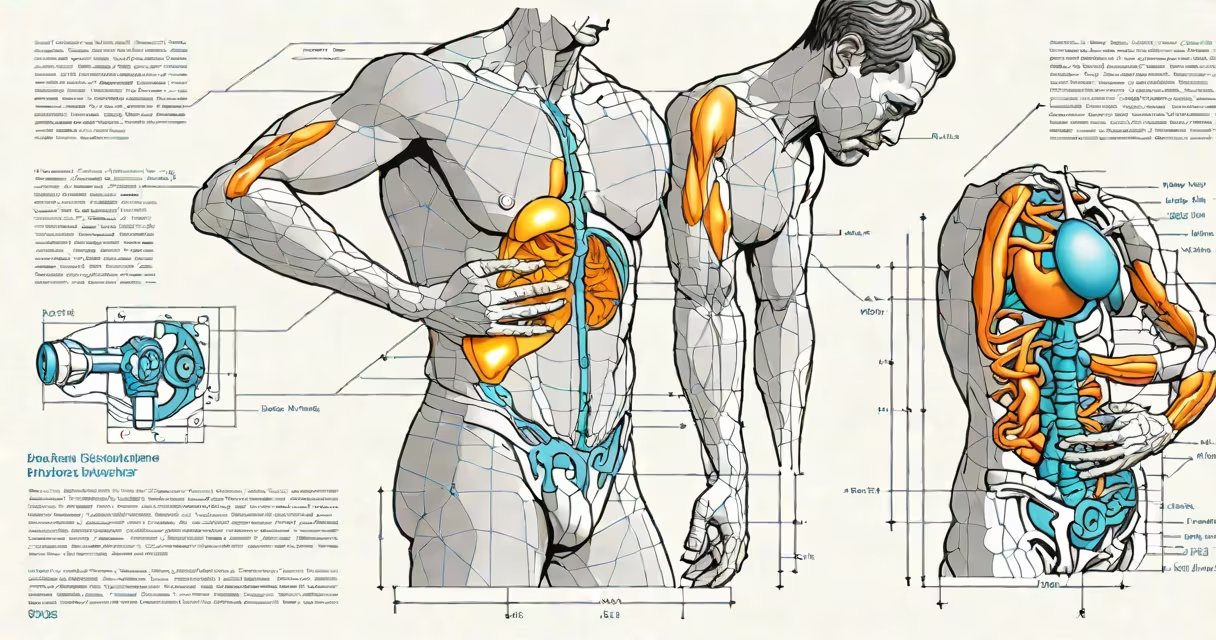
Gas pains in the left abdomen result from trapped or excess gas in the descending colon or sigmoid colon, typically causing sharp, cramping, or bloating sensations on the lower left side of the belly. These pains are common, often resolve on their own, and may follow meals high in fiber, beans, or carbonated drinks.
The left side of the abdomen houses the descending colon, sigmoid colon, and parts of the small intestine. Gas accumulates here during digestion, especially when food ferments in the large intestine. The buildup stretches the bowel wall, triggering nerve signals interpreted by the brain as pain. This process is normal but can become uncomfortable or disruptive.
According to the American College of Gastroenterology, functional gastrointestinal disorders-including gas-related symptoms-account for nearly 30% of outpatient GI visits. While most cases are benign, persistent or worsening pain requires evaluation to rule out underlying conditions.
When undigested carbohydrates reach the large intestine, gut bacteria ferment them, producing gases like methane, hydrogen, and carbon dioxide. These gases collect in the colon, particularly in the left side where the sigmoid colon forms a U-shaped bend. Pressure increases as gas volume grows, activating nociceptors-pain-sensing nerves in the intestinal wall.
Unlike heartburn or acid reflux, which originate in the upper GI tract, left-sided gas pain arises from mechanical distension. The sensation often shifts with movement or posture. Lying on the left side may worsen pressure, while rolling onto the right side can relieve it by altering colonic positioning.
A 2021 study published in Gut found that individuals with irritable bowel syndrome (IBS) report higher visceral sensitivity, meaning they perceive normal gas pressure as painful. This explains why some people experience severe pain from minimal gas buildup.
Not all left-side gas pain is the same. Patterns differ based on timing, location, and associated symptoms. The following table outlines key types and their typical causes:
| Type | Location | Timing | Common Causes |
|---|---|---|---|
| Cramp-like | Lower left quadrant | After eating | Fiber overload, lactose intolerance, beans |
| Bloating with pressure | Mid-left abdomen | Throughout the day | Swallowed air, constipation, SIBO |
| Sharp, intermittent | Left lower quadrant | Post-meal or nighttime | High-FODMAP foods, stress-induced motility changes |
High-FODMAP foods-like onions, garlic, wheat, and certain fruits-are strongly linked to increased gas production. A 2016 clinical trial showed that a low-FODMAP diet reduced bloating and abdominal pain in 70% of IBS patients within four weeks.
Swallowed air during eating, drinking through straws, or chewing gum contributes to gas buildup. The stomach and small intestine absorb some gas, but excess moves into the colon, where fermentation intensifies the problem.
Many mistake left abdominal gas pain for more serious conditions like diverticulitis or colon cancer. However, gas pain lacks red flags such as fever, blood in stool, unexplained weight loss, or persistent pain lasting more than a week.
Diverticulitis involves inflammation of small pouches in the colon wall. It typically causes constant, dull pain in the lower left abdomen, often with fever and changes in bowel habits. Unlike gas pain, it doesn't come and go with meals or position changes.
Another confusion: people assume left-sided pain always means colon issues. But the spleen, left kidney, and part of the pancreas lie near the left abdomen. Pain from these organs usually persists, worsens over time, and may radiate to the back or shoulder.
One non-obvious distinction: gas pain rarely causes localized tenderness. Pressing gently on the area may not increase pain, whereas inflammatory conditions do. This physical difference helps clinicians differentiate between functional and structural causes.
Consider a 34-year-old woman who reports recurring sharp pains in her lower left abdomen after lunch. She eats a salad with chickpeas, carrots, and a vinaigrette dressing. The pain begins 30 minutes after eating, lasts 45 minutes, and resolves with walking or passing gas.
She keeps a symptom diary for seven days. The pattern repeats after meals containing legumes or cruciferous vegetables. No fever, no diarrhea, no weight loss. She tries a low-FODMAP version of her usual lunch-replacing chickpeas with cooked lentils and omitting raw onions. Her episodes drop from five times a week to one every two weeks.
This case illustrates how dietary triggers align with gas pain patterns. The American Gastroenterological Association recommends keeping a food and symptom journal for at least 14 days to identify triggers, especially when symptoms recur.
Gas pains left abdomen usually resolve with lifestyle adjustments. But consult a healthcare provider if pain becomes constant, worsens over days, or occurs with:
Chronic or daily gas pain may indicate small intestinal bacterial overgrowth (SIBO), celiac disease, or inflammatory bowel disease. A breath test for lactose or fructose malabsorption can confirm food intolerances. Imaging or colonoscopy may be needed if red flags appear.
I once observed a patient with persistent left-sided pain who initially believed it was gas. After six months of worsening symptoms, a CT scan revealed early-stage diverticulosis. Early diagnosis prevented complications. This underscores why ignoring recurring pain can delay treatment.
Gas pains in the left abdomen are typically harmless and tied to digestion. They arise from gas buildup in the descending and sigmoid colon, often triggered by diet, swallowing air, or gut motility changes. Most resolve with movement, heat, or dietary tweaks. Persistent or alarming symptoms require medical evaluation to exclude serious conditions.