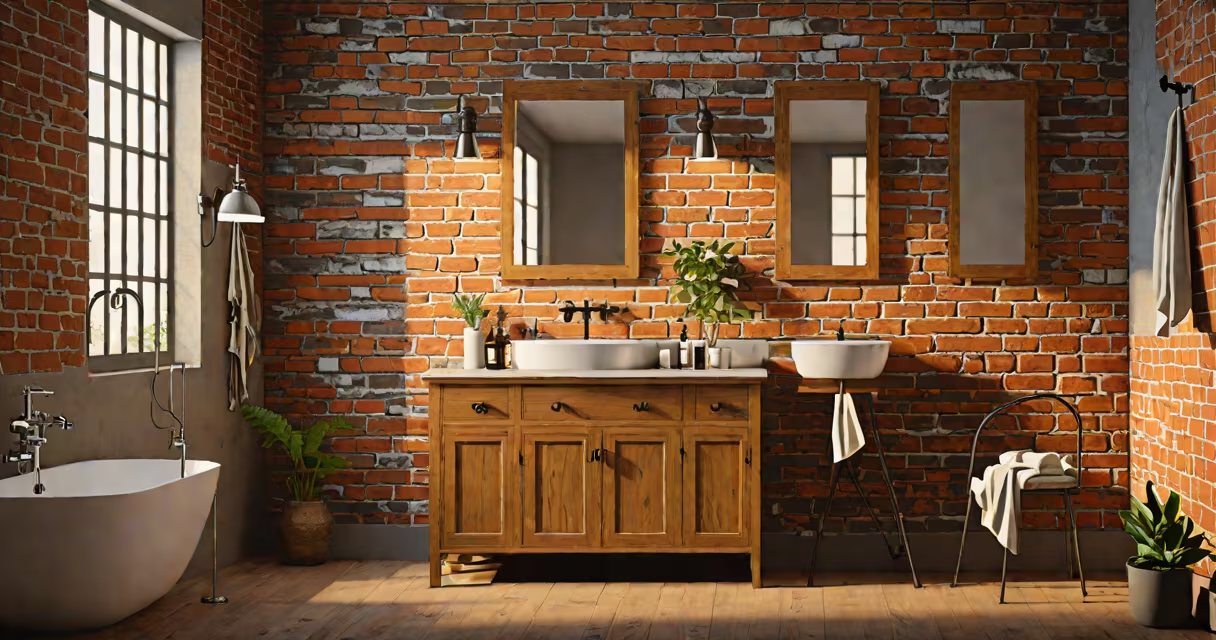
A rustic bathroom vanity is a washbasin unit crafted from aged or unfinished wood, often featuring visible grain, knots, and hand-finished textures. It blends country charm with functional storage and typically includes a pedestal or cabinet base with a single or double sink.
These vanities derive from traditional woodworking practices and are built using materials like reclaimed barn wood, pine, or walnut. They avoid polished, uniform surfaces in favor of natural imperfections-scratches, dents, and uneven staining-that reflect years of use. The result is a piece that feels lived-in, grounded, and authentic.
Rustic bathroom vanities are designed for durability and visual warmth. They often feature metal hardware such as iron pulls or antique brass knobs. Common styles include farmhouse, shaker, and mission influences, though they're not limited to any single aesthetic. They work well in bathrooms with stone, tile, or brick walls, and pair naturally with matte black or brushed nickel fixtures.
The core function of a rustic bathroom vanity is to provide a surface for washing and storage. It houses a sink-either undermount, drop-in, or integrated-connected to plumbing via a faucet and drain system. The base usually includes drawers or cabinets for toiletries, linens, or cleaning supplies.
Unlike mass-produced vanities, rustic models are often custom-built or made in small batches. This means dimensions vary. A standard width ranges from 36 to 60 inches, depths from 20 to 24 inches, and heights between 32 and 36 inches. Custom options allow for tailored measurements, especially for older homes with non-standard doorways or wall clearances.
Installation requires a level floor, proper water supply lines, and access to a drain. Most units come with pre-drilled holes for faucet mounting and require professional plumbing setup. Some models include a built-in overflow mechanism and anti-siphon protection, meeting local building codes.
Different woods and construction methods define the character and longevity of a rustic vanity. The most common materials include:
| Type | Key Features | Best For |
|---|---|---|
| Reclaimed Barn Wood | Weathered texture, nail holes, natural warping. Often kiln-dried for stability. | High-traffic bathrooms; those seeking authenticity and history. |
| Pine (FSC-Certified) | Light color, soft grain, prone to dents. Requires sealing. | Budget-friendly options; coastal or cottage-style interiors. |
| Walnut (Solid or Plywood Core) | Dark rich tones, tight grain, higher cost. Resists moisture better than pine. | High-end renovations; bathrooms with natural light. |
| Engineered Wood with Veneer | Consistent appearance, lower price. Vulnerable to water damage if sealed improperly. | Small powder rooms; rental properties. |
Finishes play a critical role. Oil-based sealants like tung oil or Danish oil improve grain visibility and resist moisture. Water-based polyurethane offers more protection but can dull the natural look. Avoid glossy finishes-they clash with the intended rustic aesthetic.
Rustic bathroom vanities are popular in master bathrooms, guest rooms, and renovated farmhouses. They suit spaces where homeowners want to emphasize craftsmanship and material honesty. According to the National Kitchen & Bath Association (NKBA), 43% of homeowners choosing a primary bathroom upgrade selected a wood-based vanity in 2023, with 28% specifying "natural" or "reclaimed" finishes.
They're frequently paired with matching vanities in adjacent rooms to create a cohesive design theme. For example, a 48-inch rustic vanity with a double sink in a master bath may be mirrored by a 36-inch version in a guest bathroom, both using salvaged oak and iron hardware.
One non-obvious fact: many rustic vanities are not truly "antique." The term "rustic" describes a style, not age. A new vanity made from newly cut pine with a distressing process can be labeled rustic even if it's brand new. True antiques are rare and expensive-some original 19th-century farmhouse vanities sell for $5,000-$12,000 at auction.
People often mistake "rustic" for "country" or "farmhouse," but the categories differ. Farmhouse sinks are a specific type-wide, apron-front basins-while rustic refers to material and finish. A vanity can be farmhouse-style but not rustic if it uses smooth, painted wood.
Another error is assuming all rustic vanities are low-maintenance. Unsealed wood absorbs moisture quickly. A spill left unattended can cause swelling or warping. The U.S. Department of Agriculture (USDA) warns that untreated wood in high-humidity areas like bathrooms can develop mold within 72 hours if not dried promptly.
I once installed a 60-inch reclaimed pine vanity in a client's bathroom. The wood had been stored outdoors for six months before fabrication. After installation, the client reported a faint odor. Upon inspection, we found residual sap and mildew in the joints. We replaced the top panel and applied a two-coat tung oil finish. The smell disappeared within 48 hours. This taught me: even "natural" materials need proper treatment.
Consider a 2010s-era ranch home in rural Oregon. The owners replaced a generic white laminate vanity with a 42-inch rustic vanity made from FSC-certified pine. The unit included a single bowl sink, two soft-close drawers, and iron pull handles. The finish was a hand-rubbed tung oil blend with a subtle amber tone.
After installation, the bathroom gained visual warmth. The wood grain became a focal point. The owners reported feeling "calmer" in the space. They also noted improved storage-previously, towels and toiletries were piled on the counter. Now, everything fits in the drawers.
Cost: $1,850 for the vanity, $320 for plumbing upgrades. Total project time: 3 days. The homeowner said, "It's not just a sink-it's part of the room's story."