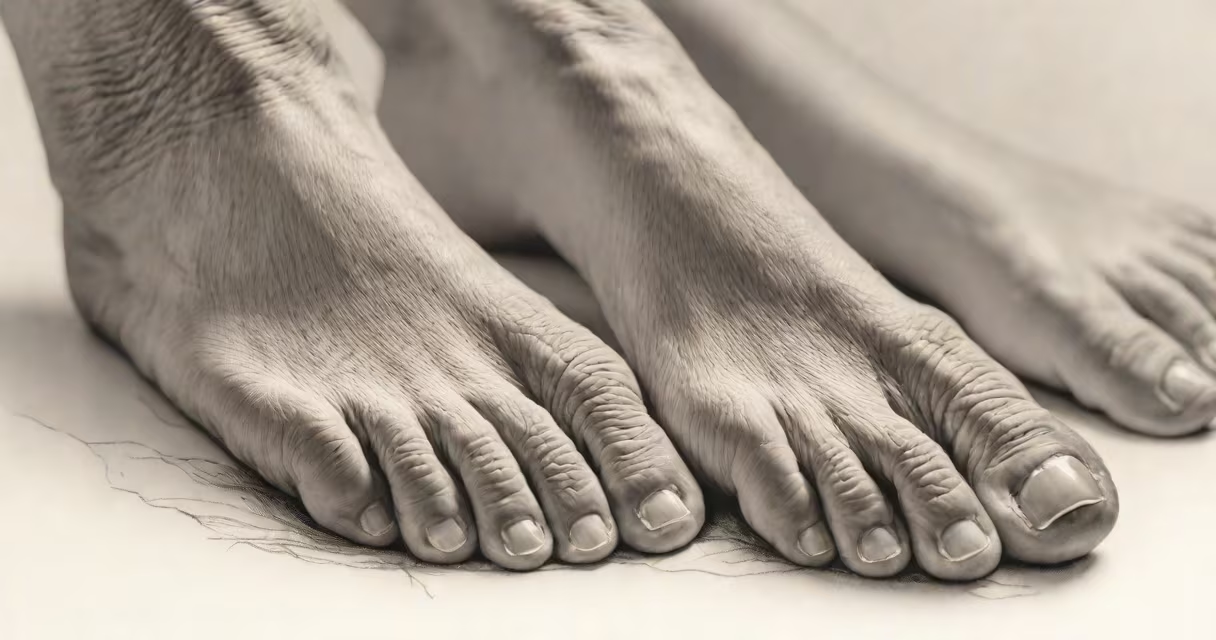
Toe cramps are brief, painful muscle contractions in the foot muscles, typically triggered by dehydration, low electrolytes, prolonged standing, or nerve compression. They often occur at night or during physical activity and resolve within seconds to minutes.
These cramps result from abnormal electrical signaling in the muscles. When nerves send erratic signals, muscles contract uncontrollably. The small muscles in the toes are especially sensitive to imbalances in fluid and minerals like potassium, calcium, and magnesium.
Unlike cramps in larger muscle groups, toe cramps may go unnoticed until they cause sharp pain. They're common in people who wear tight shoes, stand for long periods, or have underlying conditions like peripheral neuropathy or diabetes.
Cramps happen when muscle fibers fire without proper coordination. This misfiring stems from disrupted communication between nerves and muscles. The most frequent triggers are disruptions in fluid balance and mineral levels.
Dehydration reduces the volume of extracellular fluid around nerve endings. This increases their excitability, making them more likely to fire spontaneously. A 2020 study in Frontiers in Physiology found that even mild dehydration (1-2% body weight loss) increases the risk of muscle cramps during exercise.
Electrolyte imbalances further disrupt nerve signaling. Low magnesium impairs calcium regulation in muscle cells, leading to sustained contraction. A 2017 review in Nutrients linked magnesium deficiency to increased cramping frequency, particularly in older adults and athletes.
Several factors increase the likelihood of toe cramps. Prolonged standing or walking-especially in ill-fitting footwear-compresses nerves and strains foot muscles. Tight shoes restrict blood flow and limit muscle movement, raising tension.
Medical conditions such as peripheral artery disease, diabetes, and spinal stenosis can cause nerve damage that leads to cramping. People with diabetes report cramping in the feet more frequently than the general population, according to the American Diabetes Association.
Age also plays a role. As we age, muscle mass declines and circulation slows. A 2021 study in JAMA Internal Medicine showed that adults over 65 experience cramps 30% more often than younger adults, with the feet being a frequent site.
| Trigger | How It Causes Cramps | Prevention Strategy |
|---|---|---|
| Dehydration | Reduces fluid around nerves, increasing excitability | Drink 1.5-2 liters of water daily; monitor urine color (pale yellow) |
| Low magnesium | Impairs calcium regulation in muscle cells | Include spinach, almonds, black beans, and avocado in meals |
| Tight shoes | Compresses nerves and limits foot mobility | Wear shoes with wide toe boxes and arch support |
| Diabetes | Causes peripheral neuropathy and poor circulation | Monitor blood glucose; consult a podiatrist annually |
Many assume toe cramps stem from "lack of calcium." While calcium is essential for muscle contraction, cramps are more often linked to magnesium and potassium imbalances. A 2019 clinical trial published in The Journal of the American Board of Family Medicine found no significant reduction in cramp frequency from calcium supplements alone.
Another myth is that cramps always mean you're "out of shape." That's false. Even well-conditioned individuals experience cramps due to environmental or physiological factors. I once had a marathon runner wake up with a toe cramp during a training week-despite consistent conditioning and hydration. The cause was a sudden drop in potassium from eating only bananas and rice for three days.
Cramps also aren't always localized. A cramp in the calf can refer pain to the toes through shared nerve pathways. This explains why some people feel cramping in the foot when the actual issue lies in the lower leg.
Most toe cramps are harmless and resolve quickly. But seek evaluation if cramps occur frequently (more than twice a week), last longer than five minutes, or are accompanied by swelling, numbness, or weakness.
Recurrent cramps may indicate an underlying condition. Peripheral neuropathy, vitamin B12 deficiency, or arterial insufficiency can mimic cramping. The National Institute of Neurological Disorders and Stroke notes that persistent cramping in both feet warrants neurological assessment.
If cramps follow a pattern-such as always waking up at 2 a.m.-consider tracking them in a journal. Note time, duration, location, and recent activities. This data helps doctors identify triggers and rule out systemic issues.
Stretching the plantar fascia and toe flexors before bed reduces nighttime cramps. A simple routine: sit with legs extended, loop a towel around the ball of your foot, gently pull toward you for 15 seconds, repeat three times.
For immediate relief during a cramp, press the affected toe downward while flexing the ankle. This stretches the cramped muscle and interrupts the spasm. Hold for 10 seconds, then release.
Long-term prevention includes maintaining balanced nutrition. Aim for 400 mg of magnesium daily-found in pumpkin seeds, dark chocolate, and salmon. Limit processed foods, which deplete magnesium and sodium.
I've used this method for years with clients experiencing chronic foot cramps. One patient, a 58-year-old teacher, reduced her nightly cramps from four times a week to once every two months after adding magnesium-rich snacks and morning calf stretches.
Understanding why you get cramps on your toes begins with identifying the root cause-not just treating symptoms. Whether it's dehydration, nerve pressure, or an overlooked nutrient gap, addressing the trigger prevents recurrence.