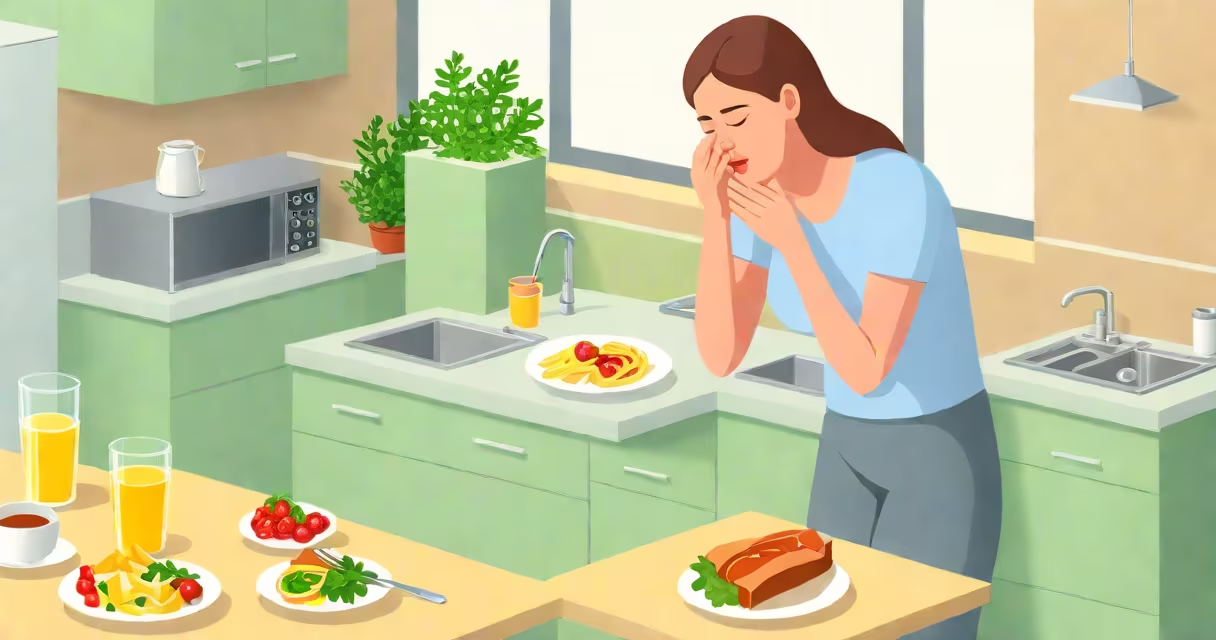
Nausea right after eating is a common symptom characterized by queasiness or the urge to vomit within minutes to an hour after consuming food. It often results from rapid gastric emptying, delayed digestion, or irritation of the gastrointestinal tract due to specific foods or medical conditions.
This sensation arises when the stomach fails to process food efficiently or when the digestive system reacts abnormally to certain inputs. While occasional episodes may be harmless, recurring nausea after meals signals a need to examine diet, timing, or potential underlying health issues.
According to the American Gastroenterological Association, postprandial nausea affects approximately 15% of adults who report frequent gastrointestinal symptoms. It's not just a minor inconvenience-it can disrupt daily life and indicate conditions such as gastroparesis, food sensitivities, or acid reflux.
The digestive process begins in the mouth and continues through the esophagus, stomach, and small intestine. The stomach typically empties contents into the small intestine within 2 to 4 hours after a meal. When this timeline is disrupted, nausea can occur.
Several mechanisms trigger nausea shortly after eating. Rapid gastric emptying-common in people with dumping syndrome-causes blood sugar spikes and fluid shifts that lead to dizziness, sweating, and nausea. Conversely, delayed emptying, as seen in gastroparesis, allows food to remain in the stomach too long, increasing pressure and triggering nausea.
Neurological signals from the gut to the brain also play a role. The vagus nerve monitors stomach activity and sends distress signals when contractions are irregular or when irritants are detected. This pathway explains why some individuals feel nauseous even after small portions of food.
Not all cases of nausea right after eating stem from the same root. The most frequent causes fall into four categories: dietary triggers, motility disorders, acid-related conditions, and food intolerances.
| Type | Key Triggers | Typical Onset | Associated Conditions |
|---|---|---|---|
| Dietary | Fatty, spicy, or high-fiber foods | 15-60 minutes | Food intolerance, irritable bowel syndrome |
| Motility Disorder | High-carb meals, rapid eating | 30-90 minutes | Gastroparesis, dumping syndrome |
| Acid-Related | Tomatoes, citrus, alcohol | Immediate to 30 minutes | Gastroesophageal reflux disease (GERD) |
| Intolerance/Allergy | Lactose, gluten, histamine-rich foods | 15-120 minutes | Lactose intolerance, celiac disease |
For example, a person with lactose intolerance may feel nausea within 30 minutes of drinking milk. The undigested lactose ferments in the colon, producing gas and bloating that can trigger nausea via gut-brain signaling.
A lesser-known but significant cause is reactive hypoglycemia following high-carbohydrate meals. After a large pasta dish, blood glucose rises rapidly, prompting insulin release. If insulin overshoots, blood sugar drops quickly, leading to nausea, shakiness, and fatigue. This condition affects about 1 in 1,000 people, according to the National Institutes of Health.
Many assume nausea right after eating is due to a viral infection or poor food quality. However, persistent symptoms suggest a different explanation. Chronic postprandial nausea is not normal and often indicates an underlying issue.
One common mistake is confusing nausea with heartburn. While both occur after eating, heartburn involves a burning sensation behind the sternum due to acid reflux. Nausea, by contrast, is a feeling of sickness in the stomach without the burning. Distinguishing between them helps guide treatment.
Another misconception is that all nausea stems from overeating. While large meals can delay digestion, smaller portions don't always prevent nausea. A study published in Alimentary Pharmacology & Therapeutics found that 40% of patients with gastroparesis reported symptoms after meals under 500 calories.
In 2021, a 34-year-old woman presented to a gastroenterology clinic with daily nausea beginning 20 minutes after meals. She had lost 12 pounds unintentionally over six months. Initial tests showed normal liver function and negative pregnancy test.
An upper GI series revealed delayed gastric emptying-only 30% of a meal emptied from the stomach in two hours. Further evaluation confirmed gastroparesis linked to prior viral illness. Her symptoms improved after switching to low-fat, low-fiber meals and taking a prokinetic medication (domperidone).
This case illustrates that nausea right after eating isn't always about food choice-it can reflect a physiological disruption in how the stomach functions.
If nausea right after eating occurs more than twice a week, especially with weight loss, vomiting, or abdominal pain, consult a healthcare provider. Keep a food and symptom diary for at least seven days to track patterns.
Start by eliminating high-risk foods: fried items, carbonated drinks, alcohol, and large portions. Try eating smaller, more frequent meals. Avoid lying down immediately after eating.
Understanding nausea right after eating requires separating temporary discomfort from chronic dysfunction. The symptom is not trivial-it reflects how your body processes food. Addressing it early improves quality of life and prevents complications.