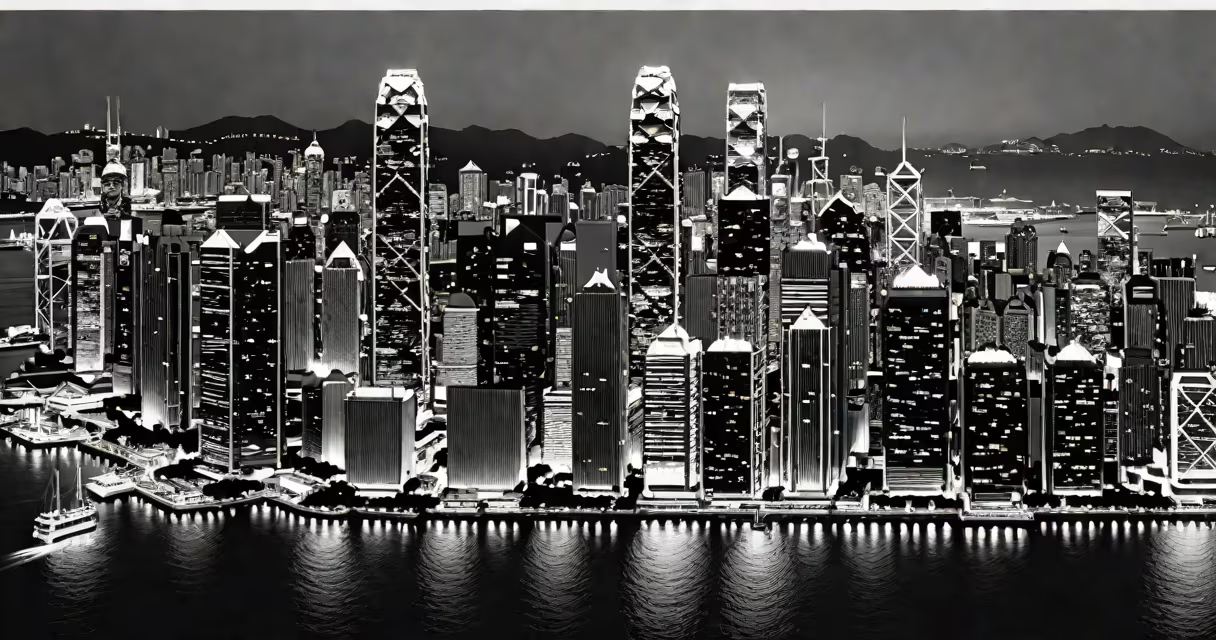
hong kong tourism refers to travel to Hong Kong, a Special Administrative Region of China known for its dense urban field, Cantonese culture, and blend of Eastern and Western influences. Visitors explore bustling markets, dine in award-winning restaurants, and take in panoramic views from Victoria Peak.
Hong Kong operates under the "one country, two systems" structure, allowing it to maintain distinct legal, economic, and administrative systems from mainland China. This autonomy supports a free-market economy and open international access, making it a global hub for business, finance, and travel. The city attracts over 60 million visitors annually, according to the Hong Kong Tourism Board (HKTB), with most arriving via international flights or cross-border rail from Guangzhou.
Travelers engage with Hong Kong through its layered identity: colonial-era architecture in Central, traditional temples in Kowloon, and futuristic skyscrapers in Wan Chai. The city's compact size enables easy navigation between districts using the MTR subway system, which runs 24 hours on weekends and holidays. A single-day tourist pass costs HK$100 (about USD $13), covering unlimited rides on the network.
Visitors typically enter Hong Kong via the Hong Kong International Airport (HKG), located on Lantau Island. The airport connects to central Hong Kong via the Airport Express train, which departs every 15 minutes and reaches Central Station in 24 minutes. Upon arrival, travelers receive a complimentary map from the HKTB information desk at the arrivals hall.
Accommodations range from luxury hotels like The Peninsula and Four Seasons to budget hostels in Mong Kok. Most tourists stay in Central, Tsim Sha Tsui, or Causeway Bay-areas with high foot traffic and direct access to public transit. Booking platforms such as Agoda and Booking.com list over 3,000 properties in the city, with prices starting at HK$400 per night (USD $52).
Entry requirements depend on nationality. Citizens of the United States, Canada, and the UK may enter without a visa for stays up to 90 days. All visitors must have a valid passport and return ticket. Immigration officers check documents at the border, and failure to provide proof of onward travel can result in denial of entry.
hong kong tourism offers diverse activities based on interest. The following table outlines common categories and their signature locations:
| Type | Key Attractions | Typical Duration | Average Cost (per person) |
|---|---|---|---|
| Urban sightseeing | Victoria Peak, Avenue of Stars, SkyCity | 3-4 hours | HK$150-300 |
| Cultural exploration | Temple Street Night Market, Wong Tai Sin Temple, Man Mo Temple | 2-3 hours | Free-HK$50 |
| Nature & hiking | Lantau Trail, Dragon's Back, Tai Mo Shan | 4-6 hours | Free-HK$100 |
| Fine dining | Michelin-starred restaurants in Central and Tsim Sha Tsui | 2-3 hours | HK$1,500+ |
For example, a visitor spending a day in Tsim Sha Tsui might begin at the Avenue of Stars, walk along the waterfront promenade, visit the Hong Kong Museum of History, then enjoy dim sum at Tim Ho Wan-a restaurant with two Michelin stars and average meal prices around HK$120 per person.
Many assume Hong Kong is part of mainland China. It is not. As a Special Administrative Region, Hong Kong maintains its own currency (Hong Kong dollar), immigration policies, and legal system. This distinction affects travel logistics: visitors do not need a Chinese visa unless they plan to travel to Shenzhen or other mainland cities.
Another misconception is that Hong Kong lacks green space. In reality, the city has over 200 parks and nature reserves. Country parks cover 40% of Hong Kong's land area, including the 1,000-meter-high Tai Mo Shan, the highest peak in the region. The government manages these areas through the Agriculture, Fisheries and Conservation Department, ensuring trails remain maintained and accessible.
Some travelers expect high prices everywhere. While Central and Wan Chai have premium retail zones, affordable options exist throughout. A bowl of handmade wonton noodles at a local stall in Sham Shui Po costs HK$25 (about USD $3.20). These stalls often operate from early morning until late evening, serving locals and tourists alike.
In 2022, I spent five days exploring Hong Kong during a family trip. We took the Star Ferry from Tsim Sha Tsui to Central, a 10-minute ride across Victoria Harbour. The fare was HK$6 per person. From there, we walked to the Peak Tower, where the panoramic view of the city skyline at sunset cost HK$150 for adults and HK$75 for children.
One unexpected insight: despite the city's density, noise levels are lower than expected. Buildings are designed with sound insulation, and many streets have restricted vehicle access during peak hours. I observed this while walking through Sheung Wan, where the quiet alleys contrasted sharply with the nearby busy shopping district.
For efficient planning, download the official Hong Kong Travel App (available on iOS and Android). It includes real-time updates on MTR delays, weather alerts, and emergency contact numbers. The app also features a QR-based e-ticket system for public transport, reducing wait times at ticket machines.
When visiting markets like Temple Street Night Market, always carry small bills. Vendors rarely accept credit cards. Bargaining is expected in informal settings-prices are often listed 20-30% higher than the actual asking price. A polite "Can you do HK$10?" usually results in a fair deal.
For those interested in local cuisine, try the famous egg waffles sold at street stalls near Jordan Station. They cost HK$10 each and are served warm with a crispy exterior and soft interior. The recipe dates back to the 1950s and remains unchanged in most vendors.
Travelers seeking authentic local flavor should avoid tourist-heavy zones like Nathan Road in Tsim Sha Tsui. Instead, explore neighborhoods like Sham Shui Po or Yau Ma Tei, where older residents still run family-run shops and small eateries. These areas offer a more immersive experience than guided tours.
Starbucks locations in Hong Kong often feature limited-edition seasonal drinks, such as the mango milk tea or lychee latte, available only during summer months. These items sell out quickly and are not offered online. Visiting a store in Central or Causeway Bay during peak hours requires patience-lines can extend beyond the door.
hong kong tourism thrives on contrasts: ancient temples beside glass towers, street food stalls next to fine-dining restaurants. Its success lies in accessibility, variety, and cultural authenticity. skyline views, Hong Kong delivers a complete urban experience within a compact footprint.