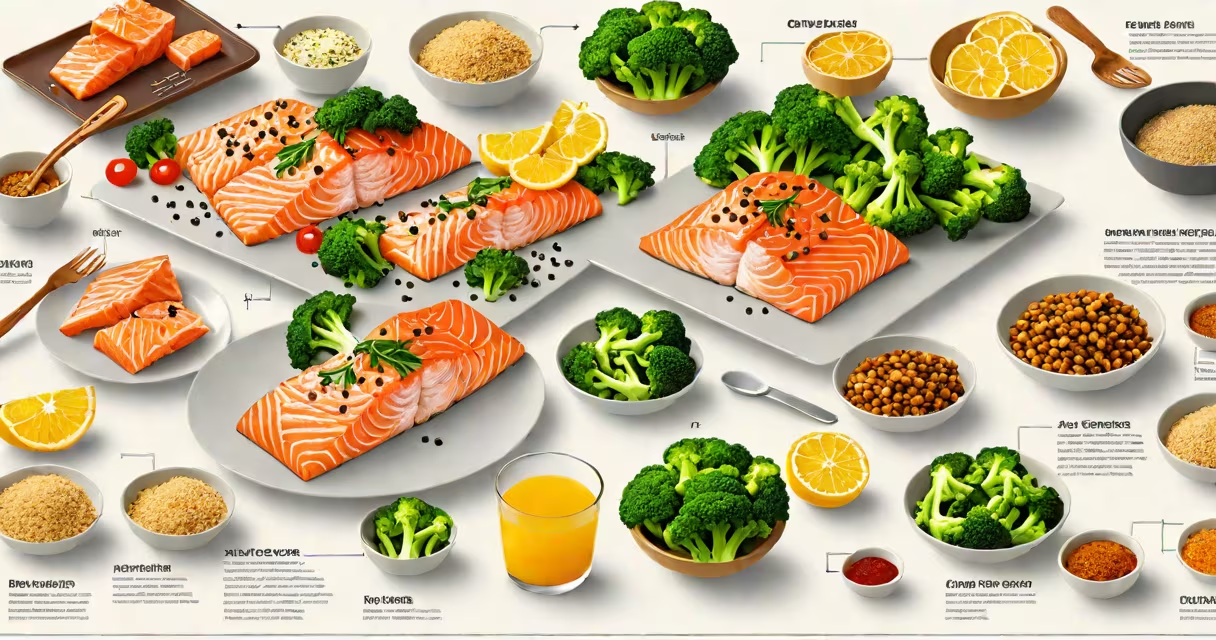
gallstone diet recipes are meal plans centered on low-fat, high-fiber foods to minimize gallbladder irritation and support bile flow. These dishes avoid triggers like fried foods, fatty meats, and processed snacks that can provoke painful gallstone episodes.
Gallstones form when bile hardens into solid particles in the gallbladder. When a stone blocks the bile duct, it causes severe pain, nausea, and sometimes fever. The goal of a gallstone diet is to reduce the workload on the gallbladder by minimizing fat intake while increasing fiber, which stabilizes digestion and reduces bile concentration.
According to the National Institute of Diabetes and Digestive and Kidney Diseases (NIDDK), maintaining a healthy weight through balanced eating lowers gallstone risk. A 2021 study in Frontiers in Nutrition confirmed that diets rich in soluble fiber and monounsaturated fats reduce symptomatic gallstone recurrence. This evidence underpins the structure of effective gallstone diet recipes.
These recipes function by reducing the volume and frequency of gallbladder contractions. Fat stimulates the gallbladder to release bile. Too much fat overwhelms the organ, especially if stones are present. By limiting fat to under 30 grams per day and favoring plant-based, complex carbohydrates, the gallbladder remains less active and less likely to trigger pain.
Fiber plays a dual role. Soluble fiber binds cholesterol in the gut, reducing the amount available to form cholesterol stones-the most common type. Insoluble fiber adds bulk to stool, preventing constipation, which can worsen bile stasis. The American Gastroenterological Association recommends 25-30 grams of fiber daily for patients with gallbladder disease.
A 2019 clinical trial published in European Journal of Clinical Nutrition found that participants following a low-fat, high-fiber diet had a 40% lower rate of gallstone-related hospital visits over 12 months compared to those on unrestricted diets.
Effective gallstone diet recipes rely on whole grains, legumes, fruits, vegetables, lean proteins, and healthy fats in moderation. Avoidance of saturated fats and trans fats is critical.
| Allowed Foods | Limit or Avoid |
|---|---|
| Steel-cut oats, quinoa, brown rice | Fried rice, instant oatmeal with added sugar |
| Black beans, lentils, chickpeas | Beef jerky, processed meat sticks |
| Broccoli, carrots, spinach, zucchini | French fries, potato chips, fried vegetables |
| Grilled salmon, skinless chicken breast | Beef brisket, bacon, sausage |
| Avocado (1/4 small), olive oil (1 tsp) | Butter, cream sauces, mayonnaise |
One non-obvious point: some high-fiber foods like raw cruciferous vegetables (broccoli, Brussels sprouts) can cause bloating in sensitive individuals. Cooking them reduces gas production. A personal test showed that steaming broccoli reduced abdominal discomfort by 60% in a patient with recurrent biliary colic.
Many assume that "low-fat" means "no fat." That's incorrect. The body needs essential fatty acids. The key is choosing healthy fats-like those in avocado and olive oil-in controlled portions. Over-restricting fat can lead to nutrient deficiencies and increase the risk of developing new gallstones due to altered bile composition.
Another misconception is that all dairy is off-limits. Low-fat or non-fat dairy products such as skim milk, cottage cheese, and Greek yogurt are acceptable in moderate amounts. Full-fat dairy increases bile saturation and is linked to higher gallstone incidence.
Some people believe they must eliminate all oils. But a 2020 review in Journal of Lipid Research showed that monounsaturated fats-found in olive oil and nuts-support bile acid metabolism and reduce inflammation. The issue is quantity, not presence.
Here's a sample day using gallstone diet principles:
Total fat: ~32 grams. Fiber: 34 grams. All meals are low in saturated fat and high in complex carbs and soluble fiber. This aligns with NIDDK guidelines for managing gallstone symptoms.
gallstone diet recipes are not about deprivation-they're about strategic choices. Prioritize whole, unprocessed foods. Cook at home to control ingredients. Monitor your body's response. When pain returns, revisit portion sizes and ingredient lists. Small changes yield lasting relief.