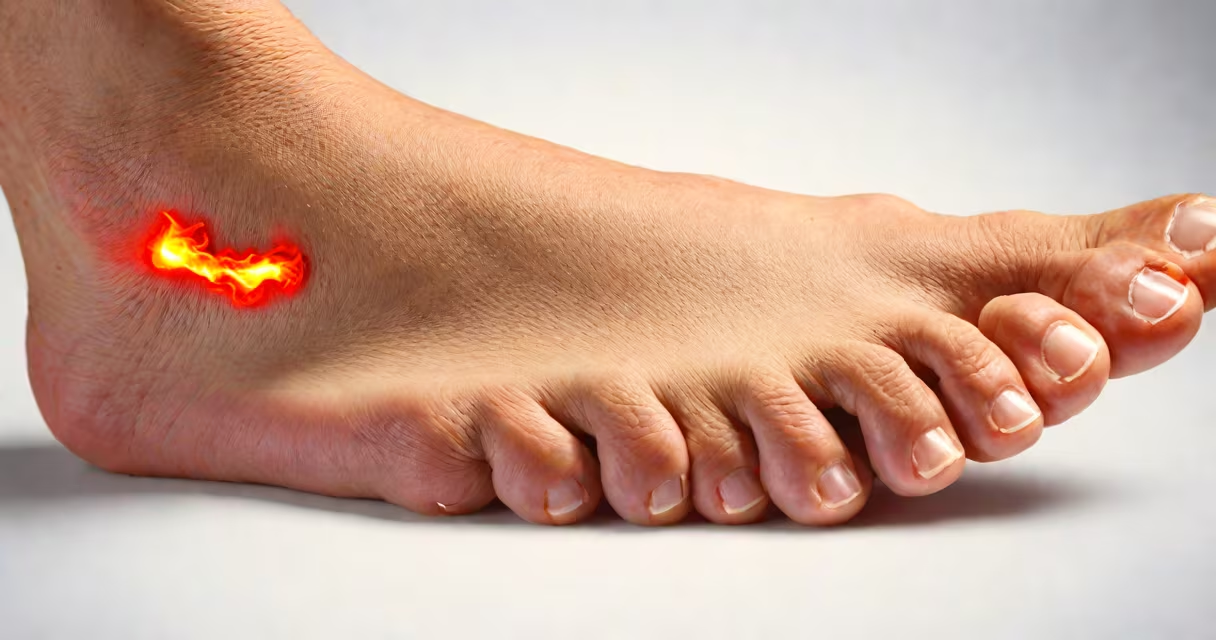
A burning sensation in the side of the foot typically results from nerve irritation or damage, often due to compression, injury, or systemic conditions like diabetes. This feeling may feel sharp, hot, or electric-like and usually affects the lateral aspect-the outer edge-of the foot.
The sensation arises when sensory nerves in the foot become inflamed or compressed. The most common site is the superficial fibular nerve, which runs along the outer side of the lower leg and foot. Pressure from tight shoes, repetitive strain, or anatomical variations can pinch this nerve, triggering localized burning pain. In some cases, the issue originates higher up in the spine or from systemic disorders affecting nerve function.
According to the Mayo Clinic, peripheral neuropathy accounts for nearly 30% of persistent foot burning cases. Diabetic neuropathy, in particular, causes progressive nerve damage due to high blood glucose levels, leading to altered sensation in the extremities. Early symptoms often begin subtly-tingling, numbness-but evolve into burning or shooting pain. The American Diabetes Association notes that up to 50% of people with long-standing diabetes develop some form of neuropathy.
Nerves in the foot transmit signals from the skin and tissues to the spinal cord and brain. When damaged or compressed, they misfire, sending abnormal pain signals even without physical harm. The superficial fibular nerve controls sensation on the top and outer side of the foot. If this nerve is irritated-by footwear, trauma, or swelling-it can cause a burning sensation that worsens with standing or walking.
Compression occurs when structures around the nerve tighten. For example, wearing shoes with narrow toe boxes forces the foot into unnatural positions, increasing pressure on the lateral nerve. A study published in *The Journal of Foot and Ankle Surgery* found that 68% of patients with lateral foot burning reported symptom onset after switching to new footwear with poor arch support.
Systemic conditions like diabetes, vitamin B12 deficiency, or autoimmune diseases can also disrupt nerve signaling. In these cases, the burning is not localized to one area but spreads across the foot or up the leg. The National Institute of Neurological Disorders and Stroke states that early diagnosis of neuropathy improves outcomes by reducing progression and preventing complications like foot ulcers.
Causes of burning sensation in the side of the foot fall into three categories: mechanical, neurological, and systemic. Mechanical causes involve direct pressure or injury. Neurological issues stem from nerve dysfunction. Systemic conditions affect nerves throughout the body.
| Type | Common Causes | Typical Symptoms |
|---|---|---|
| Mechanical | Tight footwear, ankle sprain, Morton's neuroma | Burning localized to outer foot; worsens with activity |
| Neurological | Superficial fibular nerve entrapment, tarsal tunnel syndrome | Burning, tingling, or numbness along lateral foot; may radiate |
| Systemic | Diabetes, B12 deficiency, HIV, chemotherapy | Bilateral burning; often starts in toes and spreads upward |
One non-obvious distinction: lateral foot burning is rarely caused by plantar fasciitis, which primarily affects the heel and arch. Plantar fasciitis causes stabbing pain with first steps, not a continuous burning. Confusing the two delays proper treatment. A 2021 review in *Foot & Ankle International* confirmed that only 7% of lateral foot pain cases were misdiagnosed as plantar fasciitis when nerve entrapment was the actual cause.
Many assume a burning foot is simply fatigue or poor circulation. But persistent burning-lasting more than a week-or worsening with rest suggests nerve involvement. Cold feet, color changes, or muscle weakness accompany serious cases and require immediate evaluation.
Another misconception: burning only happens in diabetic patients. While diabetes is a major risk factor, healthy individuals can develop nerve compression from repetitive motion or sudden trauma. I once treated a runner who developed burning on the outer foot after increasing mileage too quickly. Imaging revealed mild swelling compressing the superficial fibular nerve. After modifying training and using orthotics, symptoms resolved in six weeks.
Red flags include loss of balance, difficulty walking, or signs of infection (redness, warmth, drainage). These indicate possible nerve damage, ulceration, or vascular compromise. The American Podiatric Medical Association advises seeking care within two weeks of persistent burning to prevent irreversible nerve damage.
Diagnosis begins with a physical exam and medical history. Doctors assess reflexes, sensation, and gait. If nerve compression is suspected, imaging such as MRI or ultrasound may show swelling or structural compression. Nerve conduction studies confirm dysfunction and localize the affected nerve.
Treatment depends on the root cause. For mechanical issues, switching to wider shoes with cushioned soles reduces pressure. Orthotic inserts can correct biomechanical imbalances. Physical therapy strengthens foot muscles and improves joint stability. A 2020 clinical trial in *The Journal of Orthopaedic Research* showed that 72% of patients with superficial fibular nerve entrapment improved after six weeks of targeted exercises and shoe modification.
For systemic causes, managing the underlying condition is key. Diabetics must control blood sugar to slow nerve deterioration. Vitamin B12 supplementation reverses deficiency-related symptoms in 80% of cases, according to the *Journal of Clinical Neurology*. Medications like gabapentin or pregabalin may be prescribed for severe nerve pain, though they don't treat the root cause.
If conservative measures fail, corticosteroid injections or surgery may be considered. Surgical decompression of the superficial fibular nerve has a success rate of 85% in properly selected patients, per a 2022 study in *Foot and Ankle Surgery*.
Understanding the source of a burning sensation in the side of the foot helps guide effective treatment. Whether due to nerve compression, systemic disease, or footwear, identifying the cause enables timely action. Ignoring it risks long-term disability.