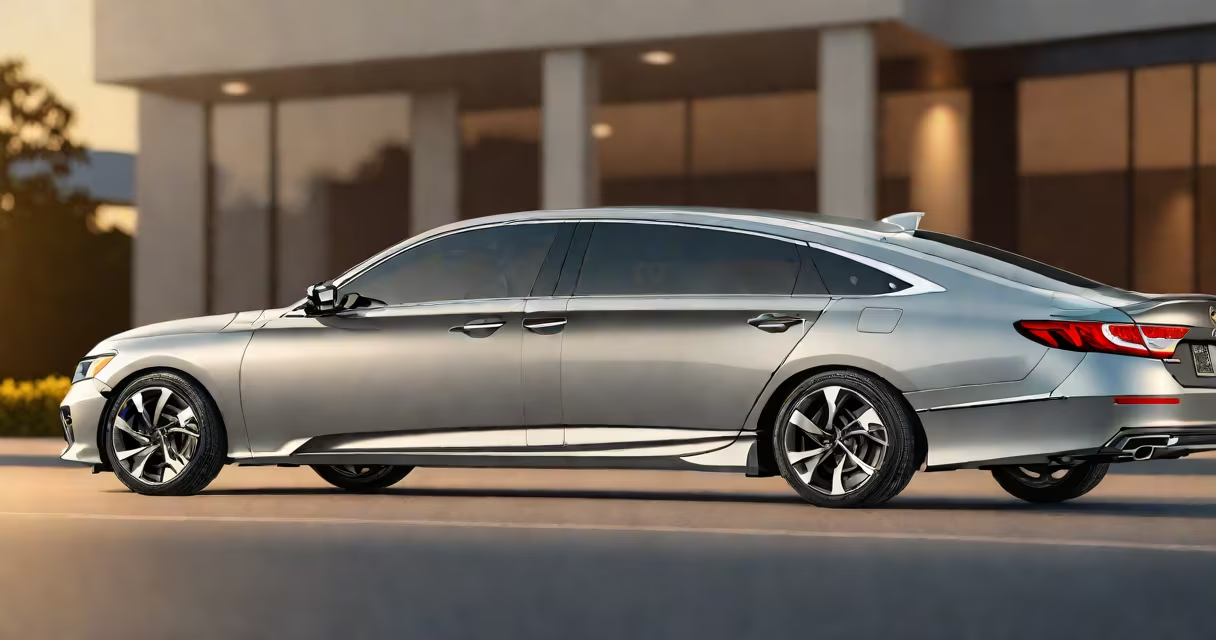
Appraising your car means estimating its current market value using factors like condition, mileage, trim level, and regional demand. You can get a reliable estimate through tools like Kelley Blue Book or a dealership appraisal, both of which use real-time data and standardized grading systems.
Car value fluctuates daily based on supply, buyer interest, and economic conditions. A proper appraisal avoids overpaying when selling or underestimating equity when trading in. The most accurate results come from combining multiple sources and assessing physical condition yourself.
Appraisal relies on comparing your vehicle to similar models recently sold in your area. Data points include year, make, model, mileage, accident history, service records, and optional features. These inputs feed into algorithms that adjust value based on wear, damage, and local demand.
For example, a 2016 Toyota Camry LE with 85,000 miles and no accidents might be valued at $12,400 in a low-demand region but $13,800 in a high-population city with strong used-car sales. The difference stems from regional pricing variance and consumer preference.
Automated tools like Kelley Blue Book use over 10 million transaction records annually to generate fair-market-value ranges. According to the National Automobile Dealers Association (NADA), 87% of dealerships reference KBB data during trade-in negotiations.
There are three primary ways to appraise your car: online valuation tools, in-person dealer evaluations, and professional appraisals. Each method varies in accuracy, speed, and cost.
| Method | Accuracy | Time Required | Best For |
|---|---|---|---|
| Online tool (e.g., Kelley Blue Book) | High (±$500) | 5 minutes | Quick estimate, pre-sale research |
| In-person dealer appraisal (e.g., CarMax) | Very High (±$200) | 30-60 minutes | Trade-in offers, immediate cash |
| Professional appraisal (certified inspector) | Strong (±$100) | 2-4 hours | Luxury vehicles, insurance claims, estate settlements |
Online tools are accessible and free. They give you a baseline value based on public data. But they don't account for hidden damage or recent repairs. A 2019 Ford Escape with a rebuilt transmission might show $15,200 in KBB, but a mechanic's inspection reveals a failing differential-reducing actual value to $12,800.
I once used CarMax's online estimator for a 2017 Subaru Outback. It gave me $16,300. When I visited the store, the appraiser noted a cracked windshield and worn brake pads. After deducting $1,100 for repairs, the offer dropped to $15,200. The in-person evaluation was more accurate because it included visual and mechanical checks.
People appraise their cars before selling privately, trading in at a dealership, or filing insurance claims. A 2020 study by J.D. Power found that 68% of buyers who traded in their vehicles did so within 12 months of purchase-meaning accurate appraisal helps avoid financial loss.
When selling privately, a realistic appraisal prevents listing at a price too high to attract buyers. A 2018 Toyota Corolla with 110,000 miles listed at $14,500 in a rural county likely won't sell. KBB shows a fair range of $10,200-$12,400. Adjusting the price to $11,500 increases visibility and speeds up the sale.
Dealerships use appraisals to determine trade-in values. CarMax, for instance, uses a proprietary system called "CarMax Value Engine" that evaluates 120+ data points per vehicle. This includes paint condition, interior wear, and even wheel alignment. Their average trade-in offer is 9% higher than national industry benchmarks, according to a 2023 report by the Automotive Retailing Association.
Many assume online tools like Kelley Blue Book give exact prices. That's incorrect. KBB provides a "range"-not a fixed number. The "average" value is midpoint between "low" and "high" retail. A 2021 study by Consumer Reports showed that 42% of users misunderstood this, leading to unrealistic expectations.
Another error is ignoring local market differences. A 2015 Honda Civic with 140,000 miles sells for $8,200 in Phoenix but only $6,900 in Detroit. Demand for compact sedans is higher in warm climates due to fuel efficiency and lower maintenance costs.
Some think appraisals are only for selling. That's false. Insurance companies require appraisals for totaled vehicles. If your car is declared a total loss, the settlement amount is based on its pre-accident value-not what you paid. Using the wrong valuation method can leave you short on compensation.
For high-value or rare vehicles, consider a certified inspector. These professionals use calibrated tools to measure paint thickness, frame integrity, and engine performance. Their reports carry legal weight in disputes.
Understanding how to appraise your car prevents financial loss and supports informed decisions. insuring, knowing your vehicle's real worth is essential. Use verified tools, check condition thoroughly, and compare offers before committing.