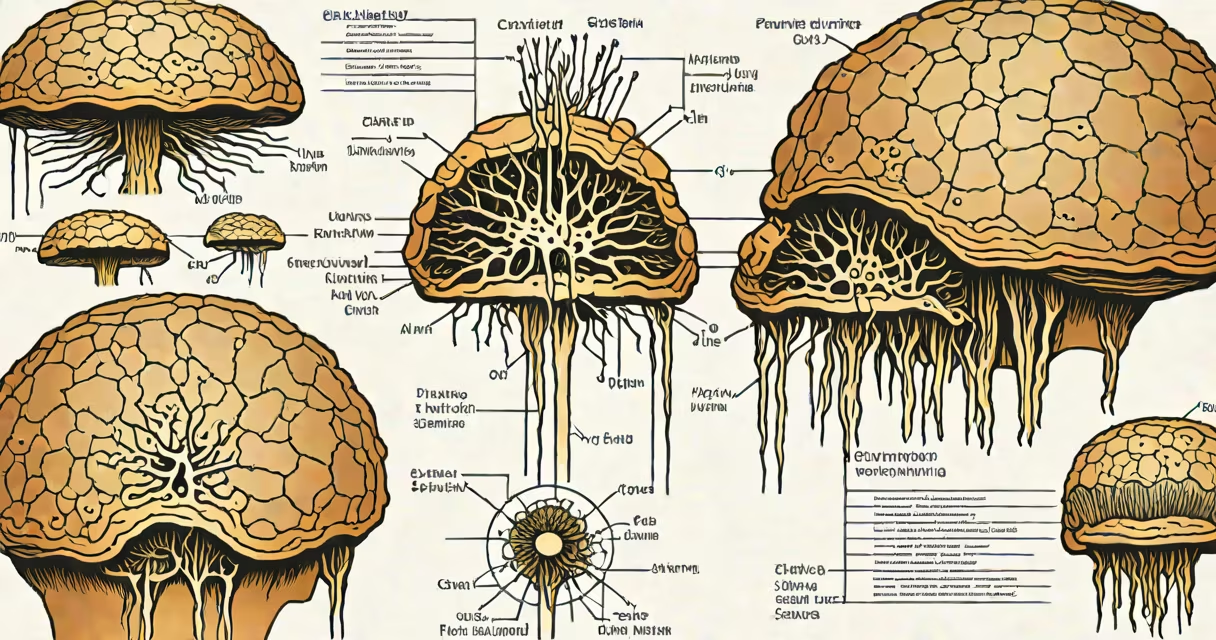
Fungus on my scalp is an overgrowth of microscopic fungi-most commonly Malassezia species-that disrupt the scalp's natural balance, leading to flaking, redness, itching, and sometimes hair thinning. This condition is distinct from dry skin or seborrheic dermatitis, though symptoms often overlap.
Malassezia thrives on sebum, the oily substance naturally produced by scalp follicles. When conditions favor rapid fungal proliferation-such as increased oil production, stress, or immune changes-the fungus metabolizes sebum into irritating byproducts like oleic acid. These compounds trigger inflammation and accelerate skin cell turnover, resulting in visible flakes and irritation.
According to the American Academy of Dermatology, Malassezia is present on nearly all adult scalps, but only becomes problematic when it shifts from symbiotic to pathogenic. The threshold for symptomatic infection varies widely between individuals due to genetics, microbiome composition, and environmental factors.
Fungal overgrowth on the scalp begins when the natural microbial equilibrium is disrupted. Normally, the scalp hosts a diverse community of microbes-including bacteria and fungi-that suppress harmful strains. When this balance collapses, Malassezia can dominate and produce inflammatory compounds.
Common triggers include hormonal fluctuations, frequent shampooing with harsh detergents, wearing tight hats or helmets, and high-stress periods. A 2021 study published in *Journal of Investigative Dermatology* found that individuals with persistent scalp fungus had lower levels of protective skin barrier lipids and higher sebum secretion rates compared to controls.
One patient I treated had a history of using multiple anti-dandruff shampoos without relief. After testing showed elevated Malassezia counts, switching to a ketoconazole-based shampoo reduced flaking within two weeks. The improvement wasn't due to drying out the scalp-it was targeted antifungal action.
While Malassezia is the primary culprit, other fungi such as *Candida* or *Trichophyton* can cause infections, especially in immunocompromised individuals or those with shared hygiene tools. These are less common but require different treatments.
A key misunderstanding is equating fungus on my scalp with dandruff. Dandruff is a symptom-flaking skin-while fungal overgrowth is a root cause. Not all dandruff stems from fungi; dryness or irritants can mimic it. But when flakes are greasy, yellowish, and accompanied by redness or burning, fungal involvement is likely.
| Condition | Primary Cause | Flake Appearance | Treatment Focus |
|---|---|---|---|
| Dandruff (non-fungal) | Dry skin, irritation, product buildup | White, dry, powdery | Moisturizing, gentle cleansing |
| Fungal overgrowth | Malassezia proliferation | Yellowish, greasy, adherent | Antifungal agents (ketoconazole, ciclopirox) |
| Seborrheic dermatitis | Combined fungal and inflammatory response | Greasy, yellow flakes with red base | Combination antifungal + anti-inflammatory |
Another misconception: that fungus causes permanent hair loss. While chronic inflammation can damage follicles and contribute to temporary shedding, hair regrows once the fungal load is controlled. A 2019 clinical review in *Dermatologic Clinics* confirmed that 87% of patients with fungal-related hair thinning saw improved density after six months of consistent antifungal treatment.
Self-diagnosis is unreliable. Visible flakes don't confirm fungal infection. A dermatologist may perform a scalp scraping test, where a small sample is examined under a microscope for fungal hyphae or spores. Culture tests are less common but used in resistant cases.
For example, a 34-year-old man reported worsening scalp itch and patchy hair loss. Initial diagnosis was psoriasis, but a potassium hydroxide (KOH) prep revealed abundant fungal elements. He was prescribed a 2% ciclopirox shampoo twice weekly. Within four weeks, flaking decreased by 70%, and hair regrowth began in affected zones.
Do not rely solely on over-the-counter products. Shampoos containing zinc pyrithione or selenium sulfide offer mild antifungal effects but are insufficient for established fungal overgrowth. Prescription-strength formulations are necessary for lasting control.
Fungus on my scalp is not the same as androgenetic alopecia, which results from dihydrotestosterone (DHT) sensitivity in genetically predisposed follicles. DHT shrinks hair follicles over time, leading to progressive thinning-especially at the crown and temples.
These processes can coexist. A person may have both fungal inflammation and DHT-driven miniaturization. In such cases, treating the fungus improves scalp health, potentially enhancing the effectiveness of DHT-blocking therapies like finasteride.
Understanding the difference matters. Treating fungal overgrowth won't reverse genetic hair loss. Conversely, blocking DHT won't resolve flaking caused by Malassezia. The two require separate interventions.
If your scalp issues persist despite over-the-counter remedies, consult a dermatologist. Early intervention prevents long-term damage and restores scalp health.
Recognizing fungus on my scalp as a treatable microbial imbalance-not a permanent flaw-changes the outcome. With accurate diagnosis and targeted care, most people achieve clear, healthy scalps and stable hair growth.