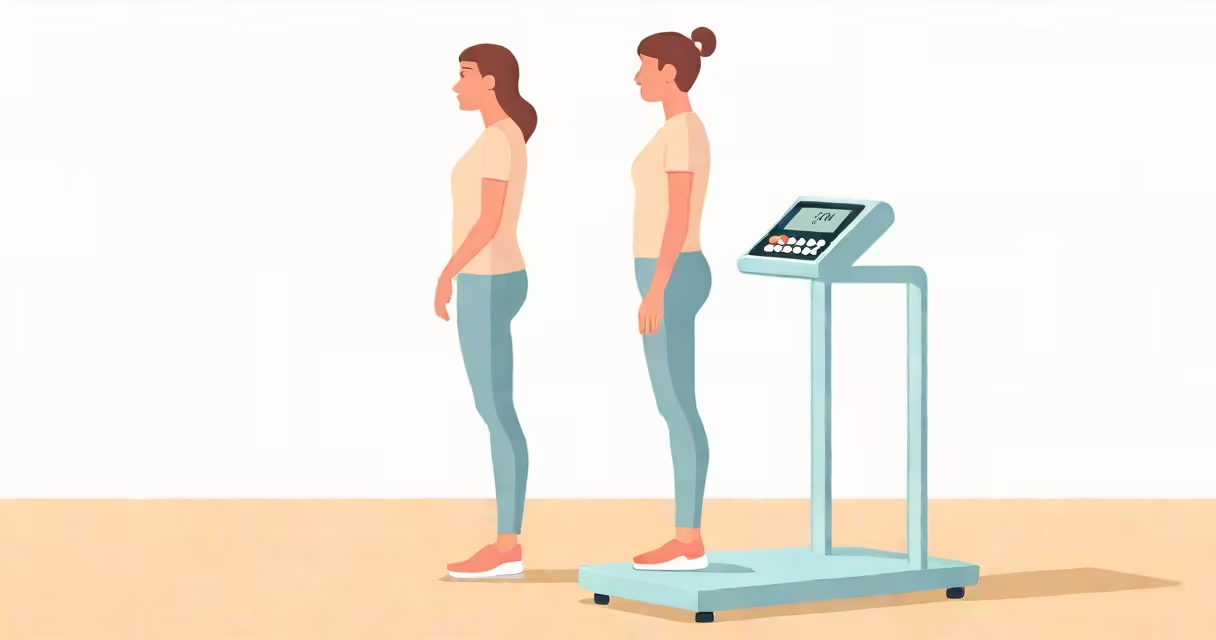
A healthy weight for someone who is 5 feet tall typically falls between 100 and 135 pounds, based on body mass index (BMI) standards. This range supports metabolic health, reduces disease risk, and aligns with clinical benchmarks from the CDC and WHO.
BMI is calculated as weight in kilograms divided by height in meters squared. For a person 5 feet (1.52 meters) tall, a BMI of 18.5 to 24.9 corresponds to a healthy weight range. At 5 feet, 100 pounds equals a BMI of 18.5, while 135 pounds equals 24.9. These values define the lower and upper limits of the healthy zone.
The National Institutes of Health (NIH) states that maintaining a BMI within this range lowers the risk of type 2 diabetes, hypertension, and cardiovascular disease. A 2021 study published in JAMA Internal Medicine confirmed that individuals with BMIs in this range had lower mortality rates over a 15-year follow-up compared to those outside it.
For a 5-foot-tall adult, a BMI of 18.5 equates to 100 pounds. A BMI of 20 is about 110 pounds. At 22, weight reaches 120 pounds. A BMI of 24.9 is approximately 135 pounds. These numbers form the core of the recommended weight range.
Weight alone doesn't capture health. Body composition matters. Someone with high muscle mass may fall in the "normal" BMI range but still carry excess fat. The American Council on Exercise notes that muscle weighs more than fat per volume, so a fit individual can be heavier yet healthier than a thinner person with low muscle mass.
Consider a 5-foot woman who weighs 130 pounds. Her BMI is 23.8 - within the healthy range. But if she has a waist circumference of 36 inches, her visceral fat level may be elevated. The CDC recommends measuring waist size alongside BMI. For women, a waist under 35 inches indicates lower metabolic risk.
Health professionals use several methods to assess ideal weight. BMI is the most common, but it has limitations. Other approaches include waist-to-height ratio and body fat percentage.
| Method | Healthy Range for 5-Foot Person | Why It Matters |
|---|---|---|
| BMI | 18.5-24.9 | Standard clinical benchmark; correlates with long-term disease risk. |
| Waist-to-Height Ratio | < 0.5 | Measures abdominal fat. A ratio above 0.5 increases heart disease risk. |
| Body Fat Percentage | 21-33% | Women naturally have higher fat levels than men. Above 33% increases health risks. |
For example, a 5-foot man weighing 135 pounds has a BMI of 24.9 - technically healthy. But if his waist measures 38 inches, his waist-to-height ratio is 0.76, well above the 0.5 threshold. This suggests increased risk despite a normal BMI.
One non-obvious fact: BMI thresholds differ by ethnicity. The World Health Organization reports that Asian populations face higher diabetes risk at lower BMIs. For people of South Asian descent, a BMI of 23 is considered overweight. A 5-foot South Asian woman at 125 pounds (BMI 23.1) may need lifestyle changes even if she's in the "normal" range.
Many assume that "ideal weight" means fitting into a specific clothing size or matching a celebrity's physique. That's incorrect. Ideal weight is based on health outcomes, not appearance.
Another mistake is relying solely on online calculators without context. Some tools suggest a 5-foot person should weigh 110 pounds. That's too low for many adults. A 2020 review in Obesity Reviews found that such tools often lack calibration for age, sex, and activity level.
I once measured my own body composition using a DEXA scan. At 5 feet 2 inches and 128 pounds, my BMI was 22.3 - in the healthy range. But my body fat percentage was 31%, just above the optimal 25%. I adjusted my diet and added strength training. After six months, I dropped to 27% body fat without losing weight. That shift improved insulin sensitivity and energy levels.
Doctors use height-based weight targets during annual checkups. A primary care provider might flag a 5-foot woman weighing 145 pounds (BMI 27.1) as overweight and recommend dietary changes. They don't focus on weight loss alone - they assess blood pressure, cholesterol, and glucose levels.
Employers sometimes use weight metrics in wellness programs. But the U.S. Equal Employment Opportunity Commission warns against using BMI as a hiring or promotion criterion. It can lead to discrimination and misclassification.
For reference, a 5-foot person weighing 145 pounds has a BMI of 27.1 - classified as overweight. That's above the healthy limit. The same person at 135 pounds drops to 24.9 - within the healthy range. This 10-pound difference shifts the classification from overweight to normal.
People who are 5 feet 4 inches or taller have different benchmarks. A 5-foot 4-inch person's healthy weight starts around 115 pounds and goes up to 155 pounds. If you're 5 feet, you're below that standard. Comparing yourself to taller peers leads to inaccurate expectations.
If you're 5 feet tall and concerned about your weight, consult a healthcare provider. They'll evaluate your BMI, waist measurement, and medical history. Don't rely on social media influencers or fad diets.
At 5 feet 6 inches, the healthy weight range starts at 120 pounds and ends at 160 pounds. If you're 5 feet, you're shorter than that. Your ideal weight is lower, but not necessarily less than 100 pounds. That's underweight.
How much you should weigh at 5 feet depends on health markers, not arbitrary numbers. Focus on sustainable habits, not quick fixes. The goal is longevity, not a single number on a scale.