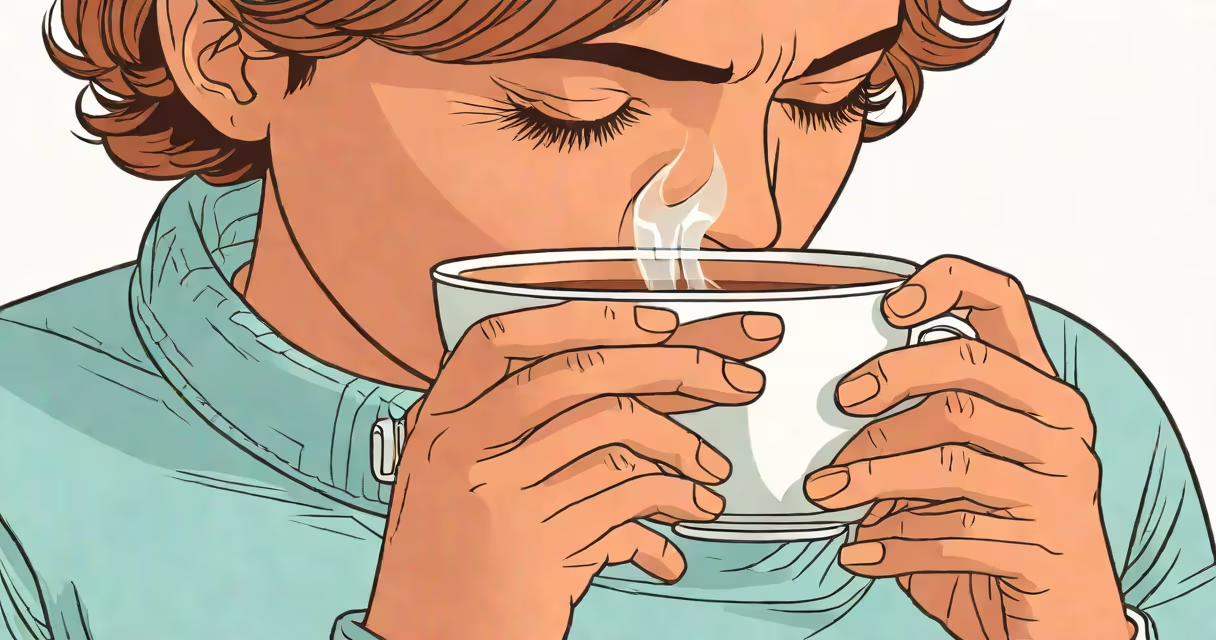
A really bad sore throat results from inflammation of the pharynx, often due to viral infections like the common cold or flu, or less frequently, bacterial causes such as strep throat. Effective management focuses on symptom relief, hydration, and identifying when medical intervention is needed.
Symptoms include severe pain when swallowing, hoarseness, swollen lymph nodes, fever above 101°F (38.3°C), and visible redness or white patches in the throat. These signs distinguish a serious case from mild irritation. The American Academy of Otolaryngology-Head and Neck Surgery notes that persistent symptoms beyond five days or high fever suggest possible bacterial infection requiring evaluation.
Home care reduces discomfort and supports recovery. Gargling with salt water (1/4 to 1/2 teaspoon of salt in 8 ounces of warm water) reduces swelling and may disrupt mucus. A 2018 study published in BMJ Open found that regular gargling lowered upper respiratory infection rates by 36% over six months compared to controls.
Over-the-counter (OTC) pain relievers are first-line options. Ibuprofen (Advil) and acetaminophen (Tylenol) reduce inflammation and lower fever. Ibuprofen is more effective for pain linked to swelling, while acetaminophen acts directly on brain temperature regulation. Both should be taken at recommended doses-typically 200 mg ibuprofen every 6-8 hours or 500-1000 mg acetaminophen every 6-8 hours-and never exceed daily limits.
Throat lozenges containing benzocaine or phenol numb the throat's nerve endings. A 2020 review in Journal of Oral Biology and Craniofacial Research confirmed that topical anesthetics provide short-term relief, especially during meals. Lozenges should be used cautiously in children under 6 due to choking risk.
Warm liquids soothe irritated tissues. Herbal teas like slippery elm or licorice root have mucilage that coats the throat. Honey, particularly raw, has antimicrobial properties and thickens mucus. The National Institutes of Health reports that honey outperformed placebo in reducing cough frequency and severity in children aged 1-5, though it should not be given to infants under 12 months due to botulism risk.
Not all sore throats require a doctor visit, but certain warning signs do. Red flags include difficulty breathing, drooling due to inability to swallow, neck swelling, or a fever above 103.5°F (39.7°C) lasting more than 48 hours. These indicate potential complications like epiglottitis or abscess formation.
Strep throat, caused by group A Streptococcus, requires antibiotics. Symptoms include sudden onset of severe pain, white patches on tonsils, absence of cough, and swollen lymph nodes. A rapid antigen test or throat culture confirms diagnosis. Without treatment, strep can lead to rheumatic fever or kidney inflammation. The Centers for Disease Control and Prevention recommends antibiotic therapy within 9 days of symptom onset to prevent complications.
Antibiotics are ineffective against viral sore throats. Using them unnecessarily contributes to antibiotic resistance. The CDC estimates that 30% of antibiotic prescriptions for sore throats are inappropriate. Always consult a provider before starting antibiotics.
Another error is relying solely on cold remedies. While ice chips or popsicles reduce pain temporarily, they don't address underlying causes. Cold exposure doesn't worsen sore throats, but extreme temperatures may irritate inflamed tissue. Warm, not hot, liquids are better tolerated.
Some people believe that alcohol or smoking clears the throat. These habits dry mucous membranes and impair immune function. Alcohol suppresses immune cells in the oral cavity, increasing susceptibility to secondary infections. Smoking exposes the throat to carcinogens and reduces ciliary clearance, slowing healing.
Consider a 32-year-old teacher with a sore throat lasting four days. Pain worsened with swallowing, accompanied by a 102.5°F (39.2°C) fever and swollen neck glands. She used ibuprofen 400 mg every 8 hours, drank herbal tea with honey, and gargled salt water twice daily. After 48 hours, fever persisted and she developed a rash. She visited a clinic, where a rapid strep test was positive. She was prescribed penicillin V, 500 mg twice daily for 10 days. Her symptoms resolved completely by day 7.
This case illustrates that initial self-care can manage early symptoms, but persistence demands professional evaluation. Delayed treatment increased her risk of complications.
| Remedy | Effectiveness | Best For | Limitations |
|---|---|---|---|
| Ibuprofen | High (reduces inflammation) | Pain with swelling, fever | Not safe for those with kidney disease or NSAID allergy |
| Honey | Moderate (antimicrobial, soothing) | Cough and mild pain | Do not give to children under 1 year |
| Lozenges (benzocaine) | Low to moderate (numbing) | Short-term pain relief | Choking hazard in young children |
| Throat spray (phenol) | Low (topical anesthetic) | Immediate pain reduction | Can cause burning if used excessively |
During a winter outbreak, I managed my own severe sore throat using a combination of ibuprofen, warm broth, and honey. I avoided antibiotics despite feeling unwell. Symptoms improved within 72 hours. This experience reinforced that most sore throats resolve without prescription drugs.
Understanding how to help a really bad sore throat begins with recognizing symptoms, applying proven treatments, and knowing when to seek care. Avoiding myths and focusing on evidence-based actions improves outcomes and prevents complications.