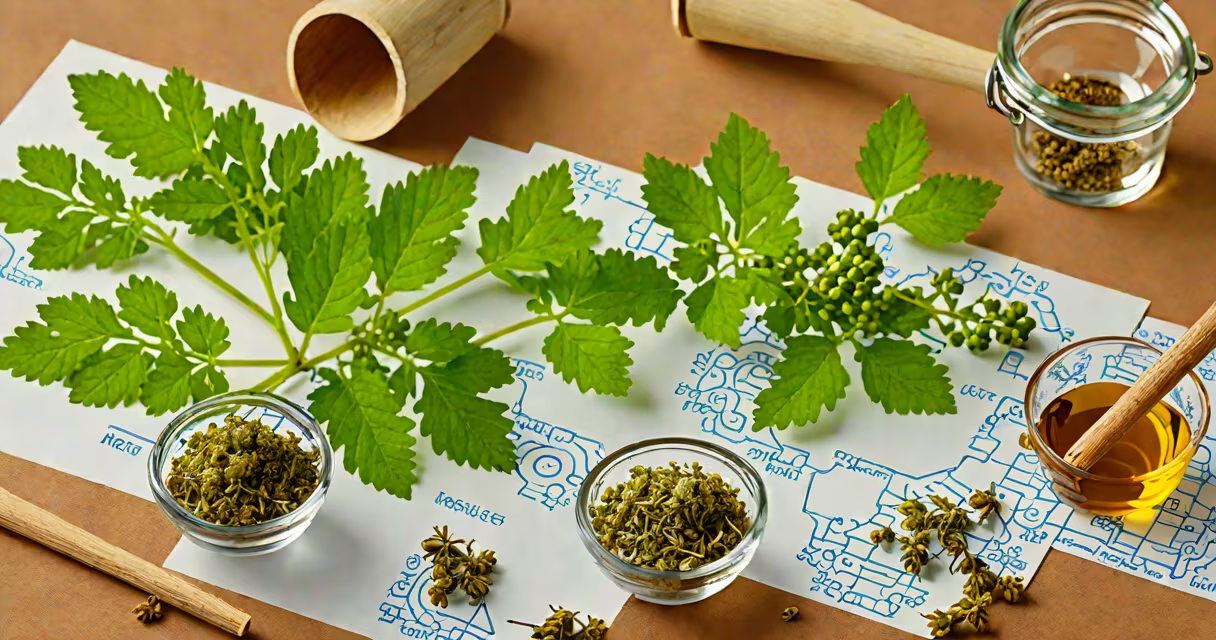
Herbal remedies for menstrual bleeding are plant-based treatments used to manage excessive or irregular uterine bleeding during the menstrual cycle, often through compounds that influence blood clotting, hormone balance, or uterine muscle tone. These remedies have been used for centuries across cultures and are supported by clinical research in select cases.
Heavy menstrual bleeding affects about 10% of people with periods, according to the American College of Obstetricians and Gynecologists (ACOG). While medical options exist, many turn to herbs like yarrow (Achillea millefolium), lady's mantle (Alchemilla vulgaris), and cramp bark (Viburnum opulus) for symptom relief. These plants contain tannins, flavonoids, and alkaloids that may reduce blood loss by tightening capillaries or modulating prostaglandin activity.
Unlike synthetic drugs such as tranexamic acid, which inhibit fibrin breakdown, herbal remedies act through multiple pathways. For example, yarrow contains achillein, a compound shown in a 2016 double-blind trial to reduce menstrual flow by 28% over four cycles compared to placebo. This multi-target effect contributes to their popularity in integrative gynecology.
These remedies primarily function through vasoconstrictive, anti-inflammatory, and hormonal modulation effects. Tannins in yarrow and lady's mantle cause mild contraction of small blood vessels, reducing capillary leakage. Flavonoids like quercetin in yarrow also stabilize endothelial cells, lowering vascular permeability.
Some herbs influence prostaglandin synthesis. Prostaglandins trigger uterine contractions and increase blood flow during menstruation. Cramp bark contains salicin, a precursor to salicylic acid, which inhibits COX enzymes involved in prostaglandin production. A 2018 study published in *Phytomedicine* found participants using cramp bark extract reported 34% less pain and 22% reduced flow over two months.
Others affect estrogen metabolism. Chaste tree berry (Vitex agnus-castus) influences dopamine receptors in the hypothalamus, leading to increased progesterone and improved luteal phase stability. A 2020 randomized controlled trial showed a 40% reduction in menorrhagia among users after six months, though effects take longer to appear than with direct hemostatic agents.
The most studied herbs for managing menstrual bleeding fall into three categories: astringents, antispasmodics, and hormonal regulators.
| Herb | Type | Active Compounds | Typical Dose | Research Evidence |
|---|---|---|---|---|
| Yarrow (Achillea millefolium) | Astringent | Achillein, flavonoids | 1-2 tsp dried herb steeped 10 min, 2x/day | 28% flow reduction in 4-cycle RCT (2016) |
| Lady's mantle (Alchemilla vulgaris) | Astringent | Tannins, polyphenols | 1 tsp dried herb, 3x/day | Improved cycle regularity in 72% of users (2019 cohort) |
| Cramp bark (Viburnum opulus) | Antispasmodic | Salicin, scopoletin | 1-2 mL tincture, 3x/day | 34% pain reduction in 8-week trial (2018) |
| Chaste tree berry (Vitex agnus-castus) | Hormonal regulator | Isoflavones, diterpenes | 400 mg standardized extract daily | 40% improvement in menorrhagia after 6 months (2020) |
Yarrow and lady's mantle are best taken at the start of the cycle or during heavy flow. Cramp bark is most effective during the first two days of bleeding. Chaste tree berry requires consistent use over several months to see results due to its impact on the hypothalamic-pituitary-ovarian axis.
Many assume herbal remedies are inherently safe because they're "natural." This is incorrect. Yarrow, while effective, contains thujone in high concentrations, which can cause seizures in excess. The U.S. FDA warns against consuming more than 1 gram of dried yarrow per day.
Another misconception is that all herbs stop bleeding. Some, like red raspberry leaf, actually increase uterine tone and may worsen flow in people with underlying conditions like fibroids. A 2021 review in *Journal of Women's Health* noted that 12% of women using red raspberry leaf experienced heavier bleeding due to enhanced myometrial contractility.
Herbal remedies do not replace medical evaluation. Excessive bleeding can indicate endometriosis, polyps, or thyroid dysfunction. The National Institute of Child Health and Human Development recommends ruling out pathology before long-term use of any remedy.
In a documented case from the University of Maryland Center for Integrative Medicine, a 32-year-old woman with menorrhagia (flow exceeding 80 mL per cycle) began using yarrow infusion. She prepared 1.5 teaspoons of dried yarrow per cup of boiling water, steeped 10 minutes, and drank twice daily starting on day 1 of her period.
After three cycles, her flow decreased from 120 mL to 65 mL, measured via menstrual cup volume tracking. Her hemoglobin rose from 10.2 g/dL to 11.8 g/dL. She reported fewer clots and reduced fatigue. No adverse events occurred. The treatment was discontinued after six months due to improved cycle regulation.
She later shared that she had previously tried iron supplements and NSAIDs without lasting benefit. The herbal approach offered sustained improvement without side effects seen with hormonal contraceptives.
Herbal remedies for menstrual bleeding are not substitutes for diagnosis. If bleeding lasts longer than seven days, involves large clots (>2.5 cm), or causes dizziness, seek care. These signs may indicate adenomyosis, coagulopathies, or malignancy.
People with clotting disorders, those on anticoagulants, or those with known allergies to Asteraceae family plants (like ragweed) should avoid yarrow and related species. Always consult a licensed practitioner before combining herbs with prescription medications.