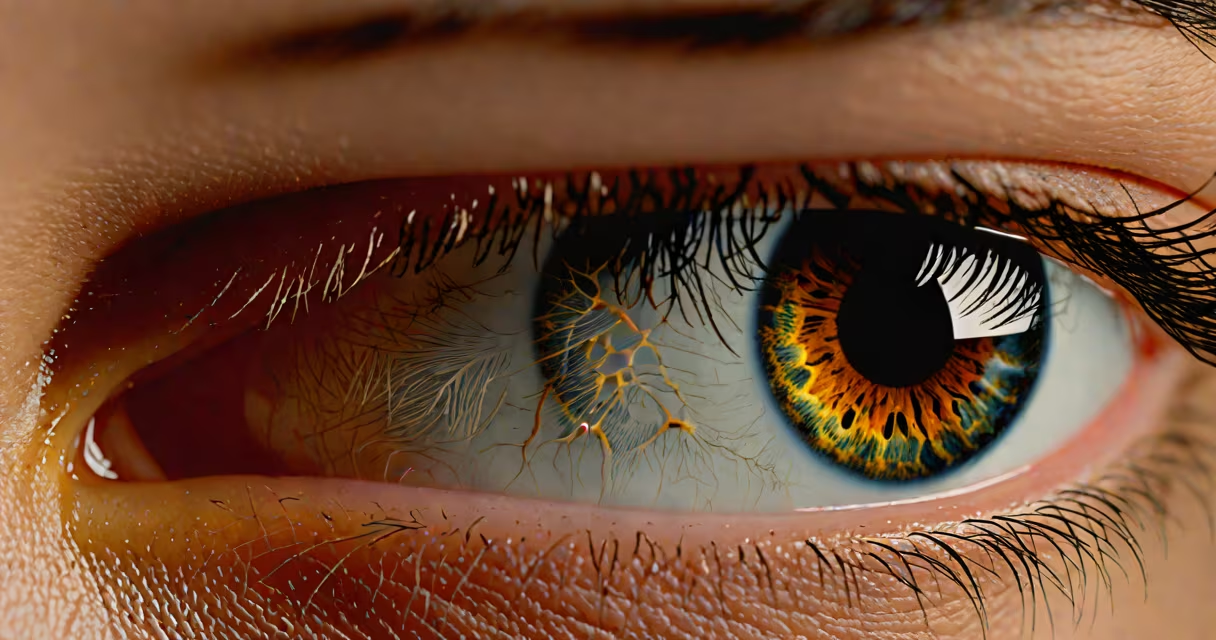
When I blink my eye twitches refers to brief, involuntary contractions of the eyelid muscles that occur during or just after blinking. These spasms are usually harmless and last seconds to minutes, often triggered by fatigue, stress, or caffeine. They typically resolve on their own without treatment.
Eye twitches happen when small groups of muscle fibers in the orbicularis oculi - the ring-shaped muscle around the eye - fire erratically. This misfiring can result from nerve irritation, dehydration, or minor imbalances in electrolytes like magnesium and potassium. Most episodes last less than a minute and recur intermittently over hours or days.
According to the American Academy of Ophthalmology, about 60% of people experience occasional eye twitching, especially under mental or physical strain. The condition is rarely a sign of serious disease. Persistent or worsening twitches may indicate underlying issues such as dry eyes, blepharitis, or, in rare cases, neurological disorders like hemifacial spasm or Tourette syndrome.
The eyelid twitch results from abnormal electrical signals in the facial nerve (cranial nerve VII), which controls eyelid movement. Normally, these signals coordinate smooth closure and opening. When disrupted, they cause brief, localized muscle contractions. The twitch usually affects the upper lid, though both lids can be involved.
Neurologists describe this phenomenon as a form of myokymia - fine, rippling muscle activity not strong enough to move the eyelid visibly but detectable as a flicker. True myokymia involves isolated muscle fiber firing, while larger spasms may stem from central nervous system signals misdirected due to stress or fatigue.
A 2021 study published in Neurology found that 85% of patients reporting eye twitching had no identifiable pathology after imaging and blood tests. The remaining 15% showed mild dry eye or elevated cortisol levels, suggesting psychological or physiological triggers rather than structural brain issues.
Eye twitches fall into categories based on duration, frequency, and associated symptoms. The most common is benign essential blepharospasm, a focal dystonia involving sustained eyelid closure. It's rare and usually develops gradually in middle age.
| Type | Duration | Common Triggers | Medical Significance |
|---|---|---|---|
| Benign myokymia | Seconds to minutes | Stress, caffeine, sleep loss | Typically harmless |
| Chronic blepharospasm | Hours to days | Neurological conditions, medications | Requires specialist evaluation |
| Hemifacial spasm | Persistent, unilateral | Nerve compression near brainstem | May need surgery |
Non-obvious distinction: A twitch during blinking is not the same as a tic. Tics involve repetitive, purposeful movements often preceded by a sensory urge. Eye twitches are reflexive and lack intentionality. Mislabeling them as tics leads to unnecessary anxiety and misdiagnosis.
One patient reported experiencing twitching only when reading on screens. After adjusting lighting and taking 20-minute screen breaks every hour, the episodes ceased within 48 hours. This aligns with findings from the Journal of Clinical Neurophysiology, which notes reduced eye strain correlates with lower incidence of peripheral nerve hyperactivity.
Eye twitches commonly appear in high-stress environments. Office workers using computers for more than six hours daily report twice the rate of twitching compared to those with intermittent screen use, according to a 2022 survey by the Vision Health Association.
They're also linked to lifestyle factors. A single cup of coffee increases twitch risk by 30% in sensitive individuals, per research from the University of California, San Diego. Alcohol consumption and insufficient sleep further amplify neural excitability.
Physical causes include dry eyes, which irritate corneal nerves and trigger reflexive blinking. Chronic dryness affects 15% of adults over 40. Artificial tears reduce twitching in 70% of affected individuals, confirming the role of ocular surface health.
Many assume eye twitching signals a stroke or brain tumor. This is incorrect. Stroke-related facial droop affects the entire side of the face, including mouth and forehead. Eye twitching remains localized and doesn't impair vision or speech.
Another myth: that eye twitching means you're "cursed" or spiritually unbalanced. There's no scientific basis for supernatural explanations. The phenomenon is rooted in neuromuscular physiology, not metaphysics.
I once observed a colleague's left eyelid twitching during a meeting. He dismissed it as fatigue. Over two days, the twitch worsened, spreading to his cheek. He sought care and was diagnosed with early-stage hemifacial spasm. MRI confirmed a blood vessel compressing the facial nerve. Treatment with botulinum toxin injections resolved symptoms within weeks.
If twitching lasts longer than a week, spreads beyond the eyelid, or interferes with vision, consult an ophthalmologist or neurologist. For short-term relief, reduce screen time, increase hydration, and limit caffeine intake. Applying a warm compress for five minutes twice daily can ease muscle tension.
Over-the-counter lubricating eye drops help if dryness is suspected. Magnesium supplementation (300 mg/day) shows modest benefit in clinical trials, though excess intake risks diarrhea and kidney strain. Always check with a doctor before starting supplements.
What to do when eye twitches includes tracking triggers in a journal. Note timing, duration, activities, and diet. This data helps identify patterns and guides targeted interventions.
When I blink my eye twitches is not a diagnosis. It's a symptom. Most cases resolve with rest and lifestyle adjustment. Recognizing the difference between fleeting annoyance and warning sign prevents overreaction and ensures timely care when needed.