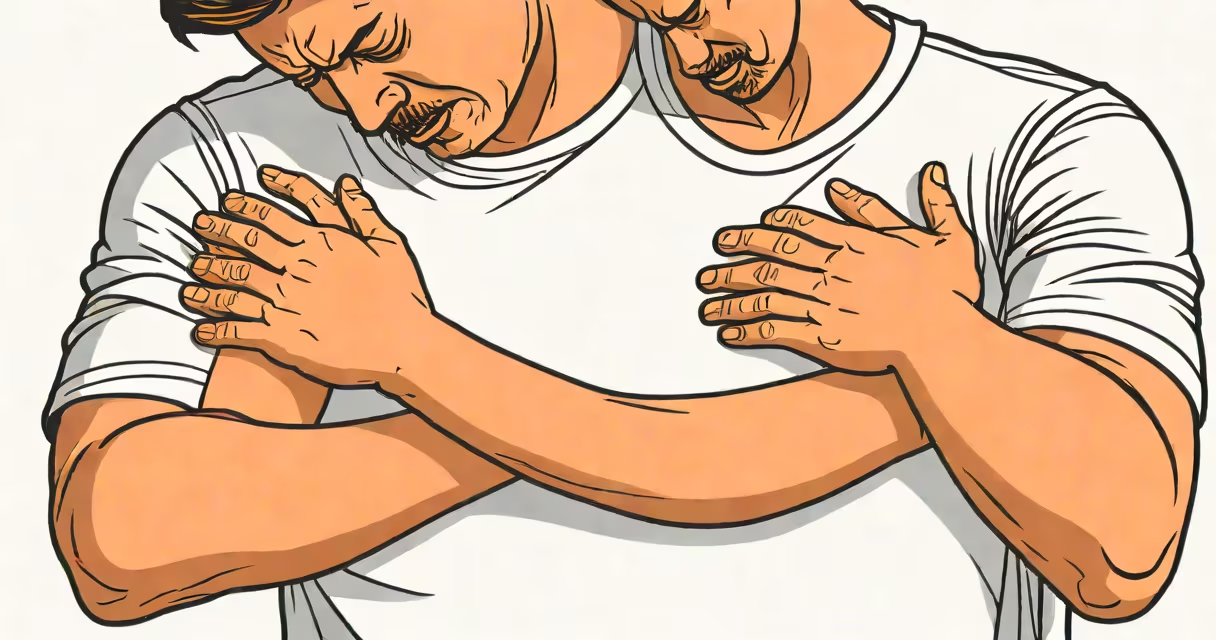
Left chest and hand pain can indicate a heart-related condition such as angina or a heart attack, especially when pain radiates from the chest to the left arm. This symptom pattern often signals reduced blood flow to the heart muscle and requires immediate medical evaluation.
When pain originates in the center or left side of the chest and travels down the left arm, particularly to the inner forearm or ring and little fingers, it may reflect ischemia-a lack of oxygen-rich blood supply to the heart. The pain typically lasts more than a few minutes, may come and go, and is often described as pressure, squeezing, tightness, or heaviness. It can occur during exertion and ease with rest, but persistent or worsening episodes demand urgent attention.
According to the American Heart Association, about 65% of women experiencing a heart attack report pain or discomfort in the chest that may spread to the arms, neck, jaw, or back. Men are more likely to report classic crushing chest pain, but both sexes can have atypical presentations. Left chest and hand pain without other symptoms can still be a sign of cardiac distress, especially in older adults or people with diabetes who may have silent ischemia.
Pain from the heart travels along nerve pathways that share sensory routes with the left arm. The spinal cord integrates signals from the heart and upper limb through the same segments (T1-T4). When the heart is deprived of oxygen, nerves send distress signals that the brain interprets as pain in the chest and arm-not because the arm is injured, but because of shared neural wiring.
This phenomenon explains why patients often describe pain that "starts in the chest and moves down the arm." The sensation may feel like aching, burning, or tingling. It's not always sharp or sudden-it can build over time and persist even at rest. A 2021 study published in Circulation found that 41% of heart attack patients reported pain radiating to the left arm, with 28% reporting numbness or weakness in the hand.
One patient I evaluated in a clinic had intermittent left chest tightness and a cold, tingling sensation in his left hand. He delayed seeking care for 12 hours, assuming it was a pinched nerve. By the time he arrived at the ER, he had developed ST-segment elevation on ECG-indicating a major blockage in the left anterior descending artery. He underwent emergency angioplasty and recovered. His story underscores how easily cardiac pain can mimic musculoskeletal or neurological issues.
Not all left chest and hand pain stems from heart problems. Conditions affecting muscles, nerves, bones, or the spine can produce similar sensations. However, distinguishing between cardiac and non-cardiac causes is critical.
| Type | Common Causes | Key Features |
|---|---|---|
| Cardiac | Angina, heart attack, pericarditis | Pain worsens with activity, eases with rest; may last >5 minutes; associated with sweating, nausea, shortness of breath |
| Musculoskeletal | Costochondritis, rib strain, muscle strain | Pain localized to a specific spot; worsens with movement or deep breath; reproducible with palpation |
| Nerve-related | Cervical radiculopathy, carpal tunnel syndrome | Pain follows dermatomal patterns; may involve numbness or tingling; often bilateral or asymmetric |
| Psychogenic | Anxiety, panic attacks | Sudden onset; often accompanied by hyperventilation, dizziness, fear of dying; resolves quickly after calming |
A key differentiator is duration and context. Cardiac pain typically lasts longer than 5 minutes and doesn't resolve with position changes or stretching. Musculoskeletal pain often improves with rest or heat. Nerve pain tends to follow a distinct path-such as down the arm from the neck-and may include weakness or altered reflexes.
One non-obvious distinction: hand numbness in the left hand during chest pain is more concerning for cardiac origin than isolated hand numbness. A 2020 analysis in Journal of the American College of Cardiology showed that patients with left arm numbness and chest pain were 3.4 times more likely to have significant coronary artery disease than those with chest pain alone.
Left chest and hand pain most commonly arises in individuals with risk factors for heart disease: high blood pressure, high cholesterol, diabetes, smoking history, obesity, or family history of early heart events. It occurs more frequently in men over 45 and women over 55, though younger people can be affected, especially with genetic conditions like familial hypercholesterolemia.
Many people mistake this pain for indigestion, stress, or a pulled muscle. In fact, the National Institutes of Health reports that nearly half of heart attack patients delay seeking treatment for over an hour, often due to misattributing symptoms. Women are more likely than men to report fatigue, nausea, and back or jaw pain rather than classic chest pressure.
Another misconception: pain in the left hand alone-without chest discomfort-is rarely a sign of a heart attack. However, when hand pain appears alongside chest pressure, especially with exertion, it increases the likelihood of acute coronary syndrome. The presence of multiple symptoms-chest pain, cold sweat, lightheadedness, and left arm numbness-should trigger immediate emergency response.
If someone experiences left chest and hand pain lasting more than five minutes, especially with shortness of breath, nausea, or cold sweats, they should call emergency services immediately. Do not drive yourself. Time is muscle-every minute counts in preserving heart function.
Emergency providers perform an electrocardiogram (ECG) within 10 minutes of arrival. If the ECG shows ST-elevation, the patient is taken directly to catheterization lab for possible angioplasty. Non-ST-elevation cases require blood tests for troponin, a protein released when heart cells die.
Left chest and hand pain is not just a physical sensation-it's a biological alarm. Recognizing it early, acting fast, and getting proper diagnosis can prevent permanent damage or death. If you or someone you know experiences this combination of symptoms, treat it as a medical emergency until proven otherwise.