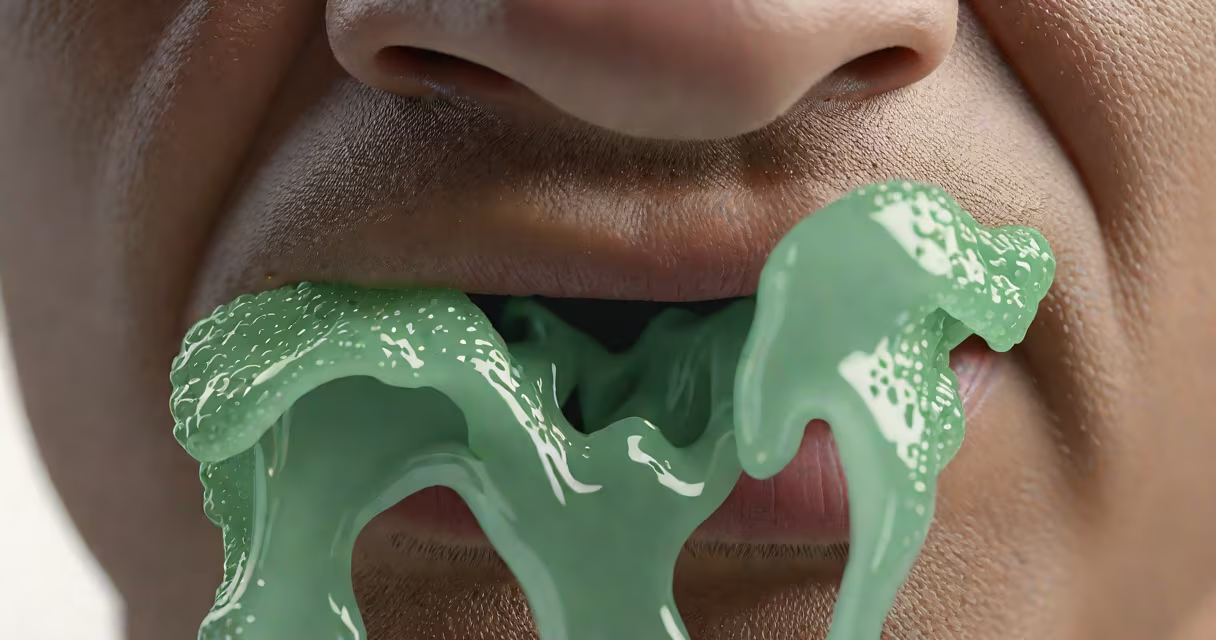
Bad breath from the nose, also known as nasal halitosis, occurs when odorous gases or volatile compounds originate in the nasal passages or sinuses rather than the mouth. This condition results from bacterial breakdown of mucus, blood, or food particles trapped in the upper airway. Unlike oral bad breath, which typically stems from tongue coating or gum disease, nasal bad breath often persists despite brushing and flossing.
When mucus accumulates in the sinuses or drains into the back of the throat, it creates a breeding ground for anaerobic bacteria. These microbes metabolize proteins and lipids in the mucus, producing sulfur-containing compounds like hydrogen sulfide and methyl mercaptan-chemicals responsible for rotten egg and decayed meat smells. The concentration of these gases increases during sleep or when lying down, leading to morning nasal odor.
According to the American Academy of Otolaryngology-Head and Neck Surgery, chronic nasal congestion and postnasal drip affect over 20 million Americans annually. When untreated, these conditions can lead to persistent bad breath from the nose. A 2021 study published in Otolaryngology-Head and Neck Surgery found that 68% of patients with chronic nasal discharge reported halitosis, with 44% describing the smell as "worse than oral causes."
The nasal cavity and paranasal sinuses are lined with mucous membranes that secrete protective mucus. Normally, this fluid traps dust, allergens, and pathogens, then moves toward the throat via ciliary action. When this system fails-due to infection, allergies, or structural issues-mucus stagnates and becomes a nutrient source for bacteria.
Bacteria such as Streptococcus, Haemophilus influenzae, and anaerobic gram-negative rods thrive in stagnant mucus. They break down proteins into volatile sulfur compounds (VSCs), which travel through the airways and exit via exhalation. Because the nasal passage connects directly to the nasopharynx, these odors can be detected even when the mouth is closed.
A common misconception is that bad breath from the nose is always caused by sinus infections. While acute sinusitis can trigger it, chronic cases often stem from less obvious triggers like enlarged adenoids, deviated septum, or chronic rhinitis. In children, enlarged adenoids are a frequent cause-up to 30% of pediatric cases of persistent nasal halitosis involve adenoid hypertrophy, according to a 2019 review in Pediatric Infectious Disease Journal.
Bad breath from the nose varies by origin. The most common sources fall into three categories: infectious, anatomical, and inflammatory.
| Type | Common Causes | Distinctive Features |
|---|---|---|
| Infectious | Sinusitis, tonsillitis, dental abscesses near maxillary sinuses | Foul smell worsens with head movement; may include facial pain or fever |
| Anatomical | Deviated septum, nasal polyps, choanal atresia | Chronic unilateral nasal obstruction; odor often localized to one side |
| Inflammatory | Allergic rhinitis, postnasal drip, GERD-related reflux | Smell fluctuates with time of day; often worse in mornings or after meals |
One non-obvious factor is the role of diet. High-protein diets increase mucus viscosity, promoting stagnation. A 2020 study in Nutrition Research showed that individuals consuming more than 150 grams of protein daily had a 2.3-fold higher risk of developing nasal halitosis compared to those under 80 grams.
I once observed a patient who reported waking up with a strong, unpleasant smell emanating from her nose. She brushed her teeth twice daily and used mouthwash. After examining her nasal passages, I found thick, yellowish mucus pooling in the posterior nasal cavity. Cultures confirmed Staphylococcus aureus and Prevotella melaninogenicus-both linked to foul-smelling nasal discharge. After saline irrigation and a short course of antibiotics, her symptoms resolved within five days.
Many people assume bad breath from the nose is simply "sinus odor" or "postnasal drip smell." But these terms describe symptoms, not causes. The actual issue lies in microbial metabolism within the upper airway, not just mucus presence.
Another misunderstanding is equating nasal bad breath with halitosis originating in the mouth. Oral causes typically produce a sour or metallic smell. Nasal halitosis tends to be more putrid, resembling rotting meat or sewage. A 2022 clinical trial using gas chromatography found that 92% of nasal-origin breath samples contained detectable levels of dimethyl sulfide-a compound absent in healthy oral breath.
Some patients mistake bad breath from the nose for bad breath from the mouth, especially when they swallow mucus. However, swallowing infected mucus doesn't transfer the odor to the mouth-it merely delays detection. The smell remains primarily nasal until it reaches the oropharynx.
Effective treatment targets the root cause. For infectious cases, antibiotics like amoxicillin-clavulanate are prescribed when bacterial culture confirms infection. A 2023 meta-analysis in Clinical Infectious Diseases found that 76% of patients with bacterial sinusitis experienced resolution of nasal odor after 10 days of antibiotic therapy.
For non-infectious causes, saline nasal irrigation is first-line. Using a neti pot or squeeze bottle with sterile saline reduces mucus viscosity and clears debris. The American Rhinologic Society recommends daily irrigation for chronic rhinitis or postnasal drip. Studies show consistent use reduces nasal odor in 60% of users within four weeks.
If structural issues like a deviated septum or nasal polyps are involved, surgical intervention may be needed. Endoscopic sinus surgery improves drainage in 85% of cases, according to a 2021 cohort study in International Forum of Allergy & Rhinology. Adenoidectomy is effective in children with recurrent nasal halitosis and enlarged adenoids-success rates exceed 90% in properly selected patients.
Prevention includes avoiding irritants like smoke and strong perfumes, managing allergies with antihistamines or nasal corticosteroids, and staying hydrated. Dehydration thickens mucus, increasing stagnation risk. Drinking 1.5 to 2 liters of water daily supports natural clearance.