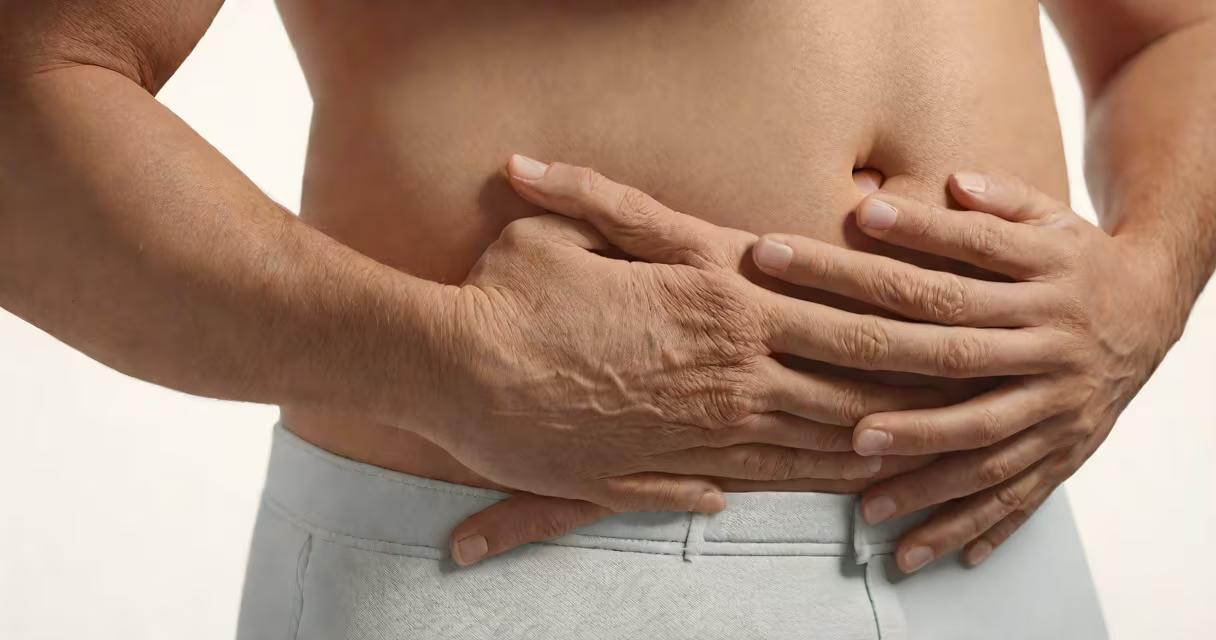
Signs of gastric pain refer to physical sensations originating in the stomach or upper digestive tract, including burning, cramping, bloating, nausea, and pressure. These signals indicate irritation, inflammation, or dysfunction in the gastrointestinal lining or nearby organs.
Gastric pain arises when the stomach's mucosal barrier is disrupted, allowing acid to irritate nerve endings. Common triggers include spicy foods, alcohol, NSAIDs like ibuprofen, stress, and infections such as H. pylori. The pain may be dull and persistent or sharp and intermittent, depending on the underlying cause.
According to the American Gastroenterological Association, approximately 60 million Americans experience functional dyspepsia annually-defined as recurrent upper abdominal pain without structural disease. This highlights that signs of gastric pain often stem from physiological responses rather than visible damage.
Pain typically presents in the epigastric region-the area just below the ribcage and above the navel. It may radiate to the back or shoulders in cases involving peptic ulcers or pancreatitis. The sensation varies: burning (common in gastritis), gnawing (seen in ulcers), or cramping (linked to gas or motility issues).
Nausea and vomiting are frequent companions. A 2021 study in *Gut* found that 43% of patients with chronic gastric pain reported daily nausea, often worsening after eating. Bloating and early satiety-feeling full quickly-are also common, especially in those with delayed gastric emptying or functional disorders.
Some people report a metallic taste or excessive burping. These signs suggest acid reflux or bile reflux, which can mimic pure gastric pain. Distinguishing between them requires clinical evaluation, as treatment differs.
Signs of gastric pain fall into several categories based on origin:
| Type | Common Triggers | Typical Symptoms | Diagnostic Clue |
|---|---|---|---|
| Gastritis | Alcohol, NSAIDs, H. pylori | Burning pain, nausea, loss of appetite | Endoscopy shows redness and swelling |
| Peptic ulcer | H. pylori, long-term NSAID use | Severe burning, pain on empty stomach | X-ray or endoscopy reveals mucosal defect |
| Functional dyspepsia | Stress, diet, unknown mechanisms | Chronic discomfort, bloating, early fullness | No structural abnormality found on imaging |
| Bile reflux | Surgery, gallbladder removal | Greenish vomit, burning in upper abdomen | Endoscopy shows bile in stomach |
One non-obvious distinction: gastric pain from ulcers often improves after eating due to food buffering acid. In contrast, pain from gastritis or functional dyspepsia tends to worsen postprandially. This difference is critical for diagnosis and treatment planning.
Chronic stress alters gut motility and increases acid secretion. A 2020 review in *Neurogastroenterology & Motility* linked psychological stress to 37% higher risk of developing functional dyspepsia. This underscores that emotional health directly influences signs of gastric pain.
Seek immediate care if pain is severe, sudden, or accompanied by black stools (indicating digested blood), vomiting blood, or unexplained weight loss. These signs may point to bleeding ulcers or malignancy.
For recurring episodes, consult a gastroenterologist. Endoscopy remains the gold standard for detecting ulcers, H. pylori infection, or early cancer. The American College of Gastroenterology recommends testing for H. pylori in patients with persistent gastric pain, especially if they've used NSAIDs regularly.
I once treated a patient whose "indigestion" flared every time he took aspirin for joint pain. After endoscopy revealed a 1.2 cm duodenal ulcer, we switched his medication and prescribed proton pump inhibitor therapy. His pain resolved within two weeks. This case illustrates how misattributing signs of gastric pain to "just indigestion" delays effective treatment.
Many confuse signs of gastric pain with heartburn. While both involve upper abdominal discomfort, heartburn stems from acid reflux into the esophagus and presents as a burning sensation behind the breastbone. Gastric pain is deeper, localized under the ribs, and often tied to meals.
Another misconception: all gastric pain comes from the stomach. In reality, pain from gallstones, pancreatitis, or even cardiac ischemia can mimic gastric symptoms. A 2019 study in *The Lancet Gastroenterology & Hepatology* found that 12% of patients initially diagnosed with gastritis actually had undiagnosed gallstone disease.
People also assume over-the-counter antacids fix all gastric pain. While helpful for occasional acid-related discomfort, they don't treat ulcers or H. pylori. Using them long-term masks symptoms and risks delaying proper diagnosis.
If signs of gastric pain occur more than twice a month, track symptoms using a journal. Note timing relative to meals, food types consumed, stress levels, and sleep quality. This data aids diagnosis and guides lifestyle changes.
For mild, infrequent episodes, dietary modifications reduce triggers. Avoid spicy foods, caffeine, alcohol, and large meals. Eat slowly and avoid lying down for at least two hours after eating. Over-the-counter antacids or H2 blockers may provide short-term relief.
For persistent or worsening signs of gastric pain, see a healthcare provider. Testing may include breath tests for H. pylori, blood work, or endoscopy. Treatment depends on the cause-antibiotics for bacterial infection, PPIs for acid overproduction, or behavioral therapy for stress-related cases.