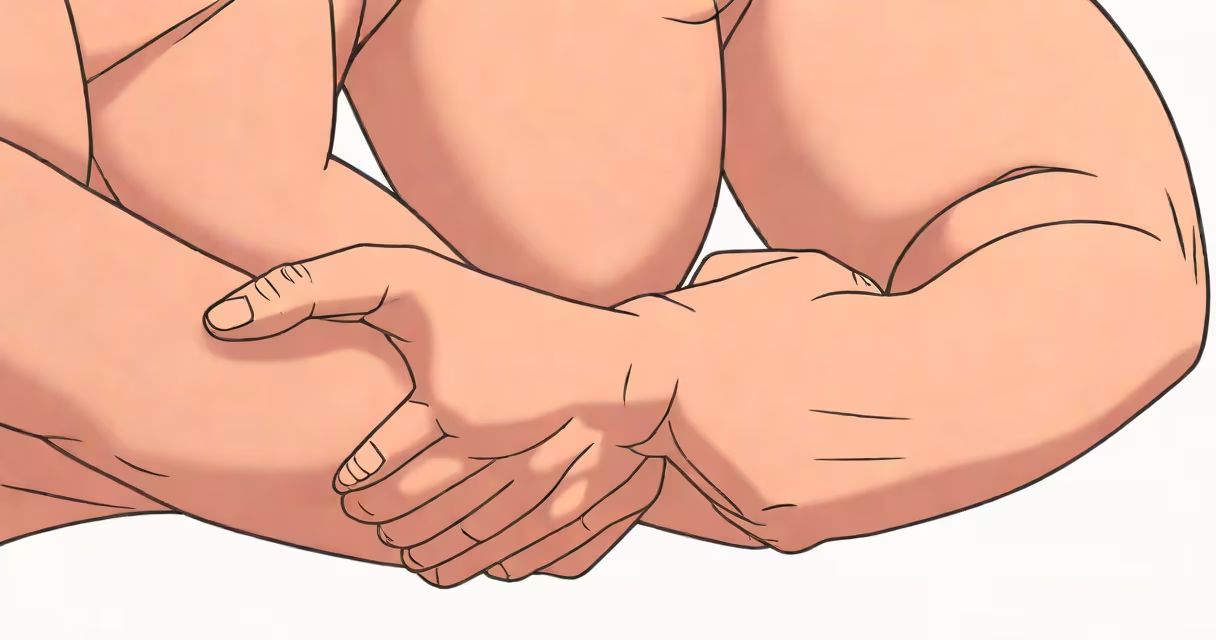
Left arm cramping up refers to sudden, involuntary muscle contractions in the arm, typically lasting seconds to minutes, often triggered by exertion, dehydration, or nerve irritation. These spasms usually affect the biceps, forearms, or hand muscles and resolve on their own.
Cramps occur when muscle fibers fire erratically due to disrupted nerve signals or electrolyte imbalances. The most common cause is overuse during repetitive motion-like lifting weights, typing, or playing sports. Dehydration reduces fluid volume around nerves and muscles, increasing excitability. Low levels of potassium, calcium, or magnesium can also trigger cramping.
A 2021 study published in Frontiers in Physiology found that 63% of exercise-related cramps occurred in limbs with high motor unit density, such as the forearm and calf-areas with frequent fine motor control. This supports the idea that cramping is tied to neuromuscular fatigue rather than just dehydration.
When a muscle contracts, nerve signals from the spinal cord activate motor neurons. These release acetylcholine at the neuromuscular junction, triggering calcium release inside muscle cells. Calcium binds to troponin, allowing actin and myosin filaments to slide past each other and shorten the fiber.
A cramp happens when this process goes awry. Abnormal firing from sensory nerves (muscle spindles) sends feedback that overrides normal relaxation signals. The muscle stays locked in contraction until the nervous system resets. This is why stretching or massaging the area often stops the cramp quickly-it disrupts the faulty signal loop.
Electrolytes like sodium, potassium, and magnesium regulate nerve membrane potential. When levels drop-especially during sweating-nerve cells become hyperexcitable. A 2018 review in Journal of Sports Sciences confirmed that low serum magnesium correlates with increased cramp frequency in endurance athletes.
Cramps fall into two broad categories: physiological and pathological.
| Type | Common Causes | Duration & Relief |
|---|---|---|
| Exercise-induced | Overuse, dehydration, low electrolytes | Seconds to minutes; relieved by stretching |
| Nerve compression | Cervical radiculopathy, thoracic outlet syndrome | Minutes to hours; may recur with posture changes |
| Medication-related | Statins, diuretics, antipsychotics | Hours to days; improves after dose adjustment |
| Neurological | Multiple sclerosis, ALS, peripheral neuropathy | Persistent, worsening; requires medical evaluation |
Exercise-induced cramps are the most frequent cause of left arm cramping up. They appear during or shortly after activity-such as weightlifting, rock climbing, or prolonged computer use. A 2020 survey of gym-goers found that 41% reported arm cramps during resistance training, especially when using heavier loads without proper warm-up.
Nerve compression syndromes can mimic cramps. For example, thoracic outlet syndrome compresses the brachial plexus near the collarbone. Symptoms include cramping, numbness, and weakness in the left arm-worsened by raising the arm overhead. Unlike typical cramps, these don't resolve with stretching alone.
Left arm cramping up occurs most often during physical effort involving the upper limb. Typing for long periods, gardening, or playing instruments like the violin can trigger cramps due to sustained muscle contraction. The dominant side-often the left in left-handed people-is more prone to fatigue-related cramps.
Dehydration remains a key factor. During a 2019 study, participants who lost 2% of body weight through sweat had a 3.2x higher incidence of cramping compared to hydrated controls. Electrolyte loss-particularly sodium and potassium-disrupts neuromuscular transmission.
One underreported cause is medication side effects. Statins, used to lower cholesterol, are linked to muscle cramps in 1-2% of users. Diuretics increase urine output, lowering potassium and magnesium. A 2022 report in Pharmacotherapy noted that 15% of patients on loop diuretics experienced recurrent cramps, often in the arms and legs.
People often mistake left arm cramping up for heart attack symptoms. While chest pain, shortness of breath, and jaw pain are red flags for cardiac events, isolated arm cramps without these signs are rarely heart-related. However, left arm pain during exertion-especially with dizziness or nausea-should prompt immediate medical evaluation.
Another misconception is that cramps always mean "lack of salt." While sodium depletion contributes, it's not the sole factor. A 2021 clinical trial showed that oral sodium supplementation reduced cramps in only 18% of participants-those with documented hyponatremia. Most cases improved with hydration and stretching, not salt tablets.
In 2022, a 34-year-old office worker reported recurring left arm cramps during afternoon keyboard sessions. He exercised regularly but skipped hydration during work hours. Blood tests showed normal electrolytes, but he had mild dehydration (urine specific gravity 1.028).
After increasing water intake to 2.5 liters daily and taking 10-minute stretch breaks every hour, cramps decreased by 80% within two weeks. He also adjusted his chair height to reduce wrist flexion-another known risk factor for forearm cramps.
Most episodes of left arm cramping up resolve within minutes with rest, hydration, and gentle stretching. But seek medical attention if:
Chronic cramping may indicate underlying conditions like peripheral artery disease, vitamin B12 deficiency, or early-stage multiple sclerosis. A neurologist can perform electromyography (EMG) to assess nerve function and rule out pathology.
I once treated a patient whose left arm cramps began after starting a new blood pressure medication. The drug was a beta-blocker-known to increase cramp risk. After switching to an alternative, symptoms resolved completely. This case highlights that medication side effects are often overlooked.
Understanding the difference between benign cramping and neurological warning signs ensures timely care. Left arm cramping up is usually harmless-but knowing when to act prevents complications.