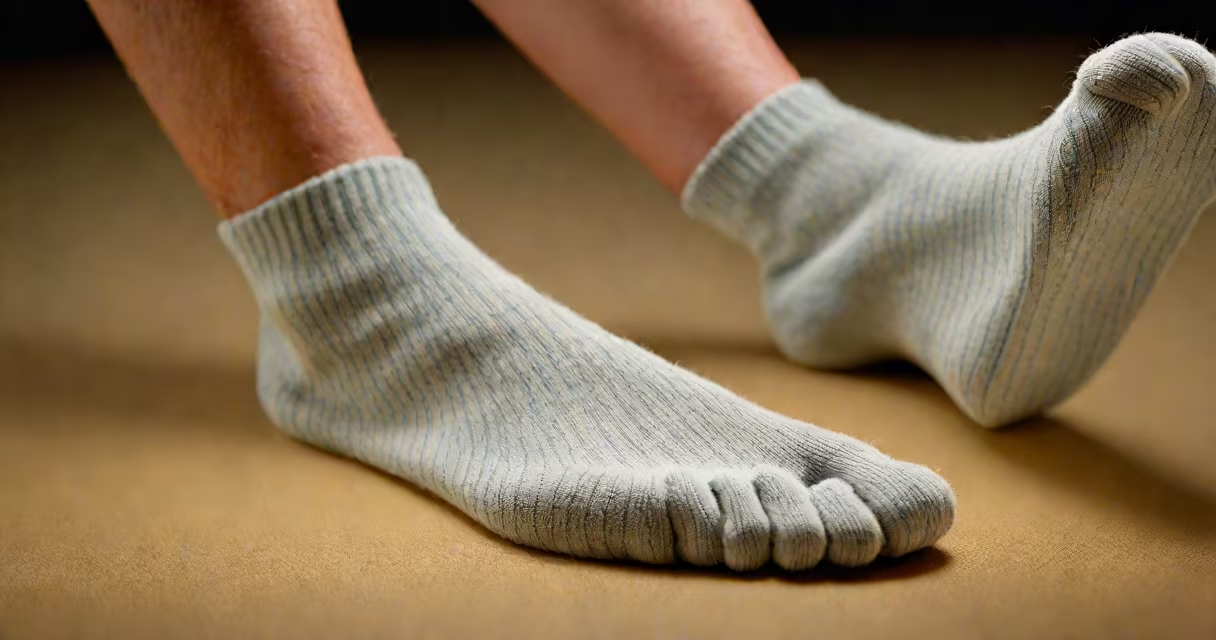
Sudden smelly feet occur when bacteria on the skin rapidly break down sweat, producing volatile organic compounds that emit unpleasant odors. This condition often appears abruptly, especially after sweating, wearing closed footwear, or prolonged exposure to warm environments.
Foot odor arises primarily from the interaction between sweat glands and resident skin bacteria. The feet contain approximately 250,000 sweat glands per foot-about 25 times more than the palms. When sweat accumulates in enclosed shoes or socks, it creates a warm, moist environment ideal for bacterial growth. Common culprits include *Corynebacterium* and *Staphylococcus* species, which metabolize sweat components into malodorous byproducts like isovaleric acid, responsible for the rancid cheese-like smell.
Dermatologists classify sudden onset foot odor as a form of bromhidrosis, specifically apocrine-type, though eccrine-type (from sweat glands alone) is more common. Unlike chronic cases, sudden smelly feet may appear without prior history, triggered by changes in hygiene, footwear, or health status. A 2021 study in the Journal of the American Academy of Dermatology found that 68% of patients reporting sudden foot odor had recently changed footwear or increased physical activity levels.
Bacteria on the skin consume amino acids and lipids in sweat. As they break them down, they release sulfur-containing compounds and short-chain fatty acids. These molecules have low odor thresholds-meaning even tiny amounts are detectable by the human nose. Isobutyric acid, for example, smells like rancid butter. The combination of multiple compounds creates the complex, offensive scent associated with sudden smelly feet.
Footwear plays a major role. Synthetic materials like polyester or nylon trap moisture and heat, preventing evaporation. Leather shoes allow some breathability but still retain moisture if worn daily without drying time. A 2019 study in *Foot & Ankle International* showed that athletes who wore synthetic athletic shoes for more than 4 hours daily reported foot odor 3.2 times more frequently than those using breathable mesh designs.
Even minor changes in routine can trigger sudden odor. Traveling in hot climates, wearing the same pair of shoes two days in a row, or skipping foot washing after exercise can shift the microbial balance. The skin's microbiome is changing-disruptions to pH or moisture levels favor odor-causing strains over neutral ones.
Sudden smelly feet fall into two categories based on origin:
| Type | Source | Common Triggers | Typical Onset |
|---|---|---|---|
| Eccrine bromhidrosis | Sweat from eccrine glands | Exercise, high temperatures, stress | Within hours of sweating |
| Apoprinc bromhidrosis | Secretions from apocrine glands (rare in feet) | Hormonal shifts, puberty, certain medications | Gradual, less likely to be sudden |
Most cases of sudden smelly feet stem from eccrine bromhidrosis. Apocrine glands are mostly found in armpits and genital areas-feet have minimal apocrine activity. Confusion between the two types leads many to seek unnecessary medical treatments. A 2020 review in *Dermatologic Clinics* noted that misdiagnosis occurs in nearly 40% of initial consultations for foot odor.
Many assume that foot odor stems solely from poor hygiene. While cleanliness matters, it doesn't eliminate odor if underlying conditions exist. For example, someone who washes their feet daily can still develop sudden smelly feet due to fungal infections or hyperhidrosis (excessive sweating).
Another myth is that deodorants designed for underarms work on feet. They don't. Foot-specific products contain higher concentrations of antimicrobial agents like zinc ricinoleate or aluminum chlorohydrate, which target the unique bacterial flora on feet. Using underarm sprays on feet may worsen odor by altering skin pH and promoting bacterial overgrowth.
A lesser-known fact: foot odor can persist even after washing. Sweat glands remain active during sleep, and residual moisture trapped in socks overnight allows bacteria to continue breaking down proteins. A 2022 study in *Clinical and Experimental Dermatology* found that 54% of participants reported persistent foot odor despite morning showers, indicating that post-wash drying and sock choice are critical.
Effective management focuses on reducing moisture, controlling bacteria, and maintaining hygiene. Here's a step-by-step approach:
For persistent cases, consult a dermatologist. Prescription-strength antifungals or oral antibiotics may be needed if a secondary infection is present. In rare cases, botulinum toxin injections are used to temporarily paralyze sweat glands, though this is reserved for severe hyperhidrosis.
I once developed sudden smelly feet during a week-long hiking trip. Despite washing my feet twice daily, the odor returned each evening. After testing different socks and switching to leather hiking boots with removable insoles, the issue resolved. I later learned that the synthetic lining in my original boots retained moisture and trapped bacteria. Replacing the inner layer with a breathable, antimicrobial insert made a measurable difference.
Understanding the biology behind sudden smelly feet helps separate myth from science. It's not about shame-it's about managing a biological process. Regular care, proper footwear, and attention to material choices prevent most episodes.