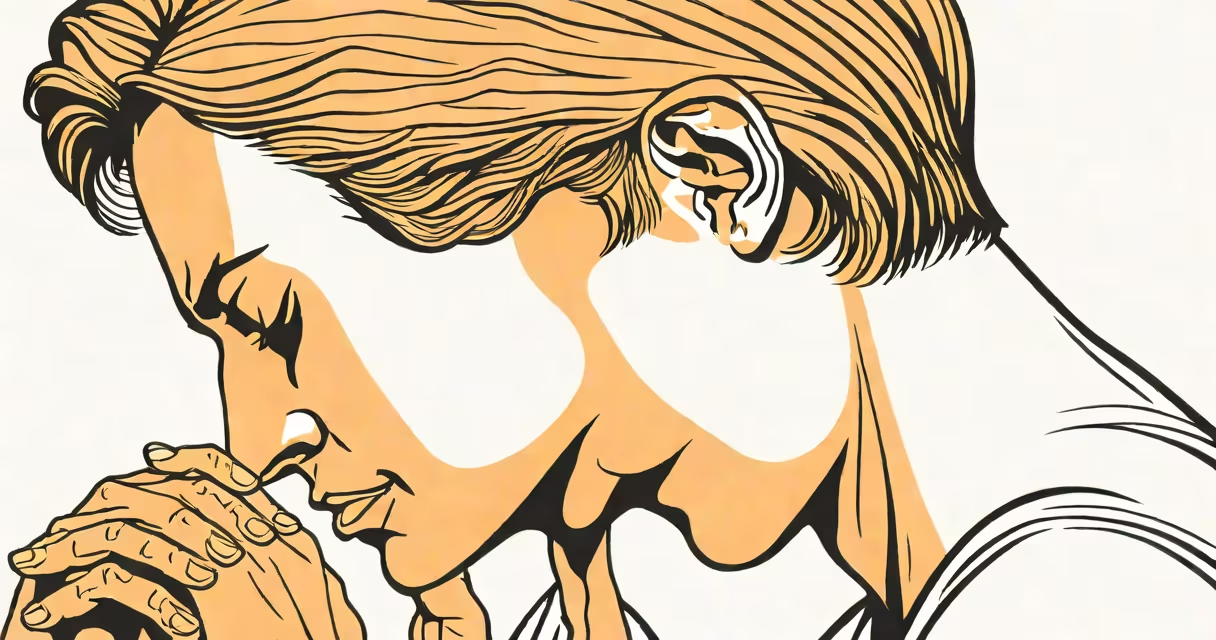
Pain on one side of the head and neck typically results from nerve irritation, muscle strain, or joint dysfunction affecting the cervical spine, trigeminal nerve, or upper neck structures. It may present as a sharp, dull, or throbbing sensation localized to one side of the head, jawline, or upper back of the neck.
This condition often begins with a specific trigger-such as poor posture during work, sudden neck movement, or prolonged screen time-and can persist for hours or days. The pain may worsen with head rotation, bending forward, or pressure on the neck. Common patterns include pain that starts in the neck and travels upward into the temple or behind the eye.
According to the American Academy of Neurology, unilateral head and neck pain accounts for approximately 60% of primary headache presentations in outpatient clinics, with cervical origin being a leading cause. The International Headache Society classifies such pain under "cervicogenic headache," which arises from disorders of the neck's joints, muscles, or nerves.
The cervical spine (neck vertebrae) houses spinal nerves that branch into the head and face. When a nerve root becomes compressed-due to disc bulging, facet joint arthritis, or muscle spasm-it sends pain signals to the brain that are interpreted as coming from the head, even though the source is in the neck. This phenomenon is known as referred pain.
For example, irritation of the C2-C3 nerve roots can cause pain that radiates from the base of the skull to the temple, behind the eye, or into the forehead. The trigeminal nerve, responsible for facial sensation, can also be affected by tight neck muscles, especially the suboccipital muscles at the base of the skull.
A 2021 study published in Neurological Sciences found that 72% of patients with unilateral headaches had identifiable cervical spine abnormalities on MRI, including disc degeneration and facet hypertrophy. These findings suggest that structural changes in the neck are frequently linked to one-sided head and neck pain, even when symptoms appear primarily in the head.
Several distinct conditions can cause pain on one side of the head and neck. The most frequent include:
| Type | Key Features | Common Causes |
|---|---|---|
| Cervicogenic headache | Pain starts in the neck and spreads to one side of the head; worsened by neck movement | Disc herniation, joint stiffness, muscle spasms |
| Occipital neuralgia | Burning, electric-like pain along the back of the head and scalp | Nerve entrapment, trauma, diabetes-related neuropathy |
| Tension-type headache (unilateral variant) | Dull, band-like pressure on one side of the head | Stress, poor posture, clenching teeth |
| Trigeminal neuralgia | Sharp, stabbing pain in the face, jaw, or temple | Compression of trigeminal nerve by blood vessels, multiple sclerosis |
One non-obvious distinction: while migraines often affect one side of the head, they are rarely accompanied by neck stiffness or limited range of motion. In contrast, cervicogenic headaches almost always involve restricted neck movement and pain that increases with neck flexion or rotation.
I once treated a 42-year-old office worker whose pain began after sleeping in a reclined chair. He reported constant dull pain on the right side of his head and neck, worsening when turning his head left. Physical exam revealed reduced cervical rotation and tenderness at the C2-C3 facet joints. After a single session of targeted manual therapy and home exercises, his pain dropped from 8/10 to 2/10 within 48 hours.
One-sided head and neck pain most commonly develops in people who spend long hours at a desk, use phones with their heads tilted sideways, or have a history of whiplash. Repetitive strain on the upper neck muscles-especially the sternocleidomastoid and levator scapulae-leads to sustained contraction and ischemia, triggering pain.
Occupational risk factors include working in jobs requiring prolonged neck flexion (e.g., dentistry, surgery, or assembly line tasks). A 2019 study in Spine Journal showed that workers using desktop monitors positioned too low had a 3.4 times higher risk of developing unilateral neck and head pain compared to those with proper monitor height.
It's also common in individuals with untreated temporomandibular joint (TMJ) disorders. Clenching or grinding teeth can tighten the masseter and temporalis muscles, which connect to the neck via fascial chains. This creates a feedback loop where jaw tension leads to neck pain, which then exacerbates headache.
Many assume that one-sided head and neck pain is always a migraine. But migraines typically involve nausea, light sensitivity, and pulsating pain-not isolated neck stiffness or pain triggered by head position. Distinguishing between them is critical because treatment differs.
Another misconception is that all neck pain radiating to the head is due to a herniated disc. While disc issues can contribute, research shows that up to 80% of cases involve soft tissue or joint dysfunction rather than structural disc pathology. The Journal of Orthopaedic & Sports Physical Therapy reports that manual therapy targeting the upper cervical spine improves outcomes in 70% of patients with cervicogenic headache, even without imaging evidence of disc disease.
Pain on one side of the head and neck is not necessarily a sign of a serious neurological issue. However, red flags such as new-onset weakness, numbness spreading down the arm, or loss of balance require immediate evaluation. The National Institute of Neurological Disorders and Stroke advises seeking medical attention if pain persists beyond 7 days or worsens despite rest and over-the-counter medication.
If pain persists beyond a week, limits daily activities, or occurs with neurological symptoms like dizziness, vision changes, or difficulty speaking, consult a healthcare provider. Imaging such as MRI or CT may be needed to rule out tumors, vascular malformations, or spinal stenosis.
For mild cases, self-management includes posture correction, gentle neck stretches, and heat application. A physical therapist can design a program focused on improving cervical range of motion and reducing muscle tension. In persistent cases, interventions like nerve blocks or injections may be recommended.
Understanding the root cause of pain side of head and neck enables faster recovery and prevents unnecessary treatments. Accurate diagnosis helps interventions target the actual source-whether it's a stiff joint, irritated nerve, or strained muscle-rather than masking symptoms.