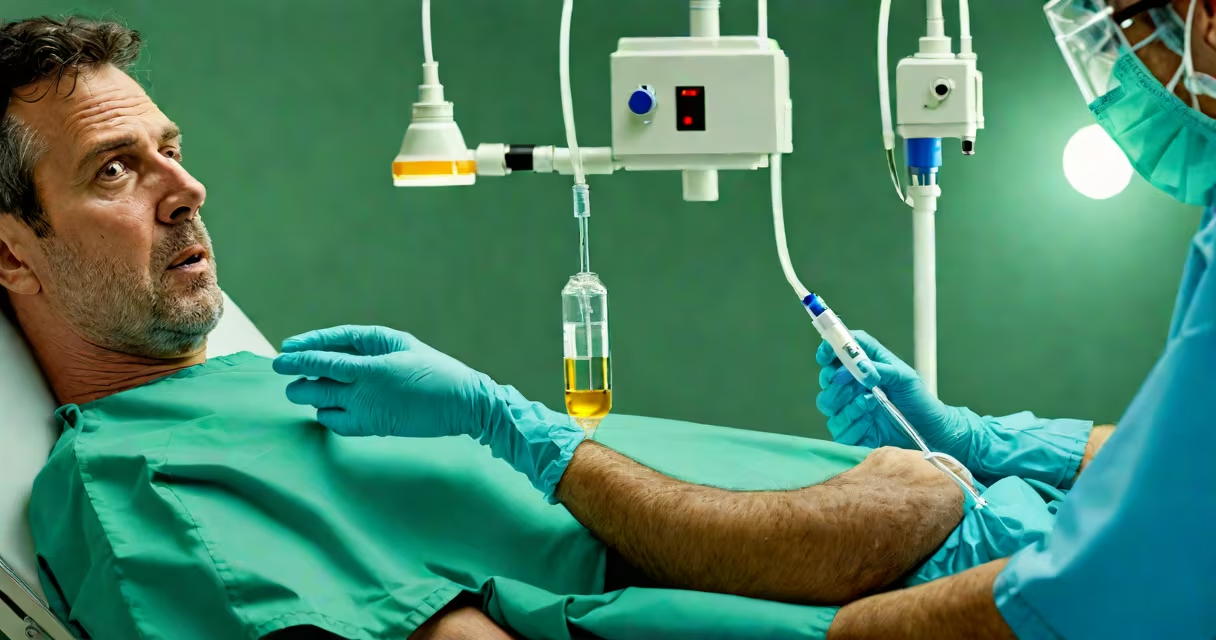
Septic shock is a severe, life-threatening complication of infection that causes critically low blood pressure, impaired organ function, and high risk of death. It occurs when an infection triggers a systemic inflammatory response that disrupts circulation and tissue perfusion.
When bacteria, viruses, fungi, or other pathogens enter the bloodstream, the immune system releases chemicals to fight them. In septic shock, this response becomes excessive and uncontrolled. Blood vessels dilate, heart output drops, and organs don't receive enough oxygen-rich blood. Without rapid intervention, multiple organs fail.
According to the Surviving Sepsis Campaign, septic shock affects approximately 1 in 1,000 people annually in the U.S., with mortality rates between 30% and 50% even with treatment. Early recognition and aggressive therapy are critical to survival.
The process begins with an infection-commonly pneumonia, urinary tract infections, abdominal abscesses, or skin wounds. The body detects pathogens via immune sensors in blood and tissues. In response, cytokines and other signaling molecules flood the bloodstream.
This cascade leads to vasodilation (widening of blood vessels), increased capillary permeability, and reduced cardiac output. Blood pressure plummets. Important organs such as the kidneys, liver, brain, and lungs suffer from inadequate blood flow. Cellular metabolism shifts to anaerobic pathways, causing lactic acid buildup and worsening tissue damage.
A 2021 study published in Critical Care Medicine found that patients who develop septic shock within 24 hours of ICU admission have a 67% higher risk of death compared to those who stabilize earlier. This underscores the importance of early detection using clinical criteria like hypotension requiring vasopressors and elevated lactate levels.
Early symptoms mimic flu-like illness: fever, chills, rapid breathing, confusion, and weakness. As septic shock progresses, signs include:
These indicators form part of the Sepsis-3 criteria, established by the Society of Critical Care Medicine and the European Society of Intensive Care Medicine. They define septic shock as sepsis with persistent hypotension despite fluid resuscitation, requiring vasopressor support to maintain mean arterial pressure above 65 mm Hg.
While septic shock results from any severe infection, certain sources are more likely to trigger it. The most frequent origins include:
| Infection Source | Common Pathogens | Typical Patient Profile |
|---|---|---|
| Pneumonia | Streptococcus pneumoniae, Klebsiella pneumoniae | Older adults, smokers, immunocompromised |
| Urinary Tract Infection (UTI) | E. coli, Proteus mirabilis | People with catheters, diabetes, elderly |
| Abdominal Infections | Escherichia coli, Bacteroides fragilis | Post-surgery, bowel obstruction, appendicitis |
| Skin and Soft Tissue Infections | Staphylococcus aureus (including MRSA) | IV drug users, diabetics, trauma patients |
Neonatal septic shock is a distinct category. Newborns under 28 days old may show subtle signs like poor feeding, lethargy, or temperature instability. A 2020 review in Pediatrics reported that early-onset neonatal sepsis accounts for nearly 40% of septic shock cases in infants under one month.
Septic shock is often confused with sepsis, but they are different stages of the same process. Sepsis is the body's overwhelming response to infection. Septic shock is sepsis with circulatory collapse and organ dysfunction. Not all sepsis leads to shock, but all septic shock begins as sepsis.
Another myth is that septic shock only affects the elderly or immunocompromised. While older adults and those with chronic conditions are at higher risk, healthy individuals can develop it after minor injuries or routine surgeries. In one case documented by the CDC, a previously healthy 32-year-old man developed septic shock after a small cut on his foot became infected during a hiking trip.
Septic shock is not a rare event. It occurs in about 1.7 million Americans each year, according to the Centers for Disease Control and Prevention. It is the leading cause of death in U.S. hospitals, surpassing heart attacks and strokes in frequency among inpatients.
Immediate treatment focuses on reversing hypotension and stopping the infection. Patients are admitted to the ICU and given intravenous fluids-typically 30 mL/kg of crystalloid within the first hour-to restore blood volume.
Antibiotics are administered within one hour of diagnosis. Broad-spectrum coverage is used initially until lab results identify the specific pathogen. Vasopressors like norepinephrine are started if blood pressure remains low despite fluid resuscitation.
I experienced this firsthand while working in a regional ICU. A 65-year-old woman arrived with confusion, low BP, and a history of recent gallbladder surgery. Her lactate was 5.2 mmol/L. Within 45 minutes of arrival, she received 1.5 liters of normal saline and broad-spectrum antibiotics. Her blood pressure stabilized after two hours. She survived after a 12-day ICU stay.
Survival depends heavily on early treatment. For every hour delay in antibiotic administration, mortality increases by 7.6%, according to a 2018 study in The Lancet Infectious Diseases.
Even survivors face long-term consequences. Up to 50% report cognitive decline, muscle weakness, or post-traumatic stress disorder six months after discharge. Physical rehabilitation and psychological support are essential parts of recovery.
Prevention includes timely wound care, vaccination (especially influenza and pneumococcal), and prompt treatment of infections. Hospital protocols now emphasize "sepsis bundles"-a checklist of interventions completed within the first hour of suspicion-to improve outcomes.
Understanding what septic shock means is important for recognizing danger signs early. If you or someone else shows confusion, low blood pressure, rapid breathing, or cold extremities alongside a known or suspected infection, seek emergency care immediately. Delaying treatment drastically reduces survival chances.