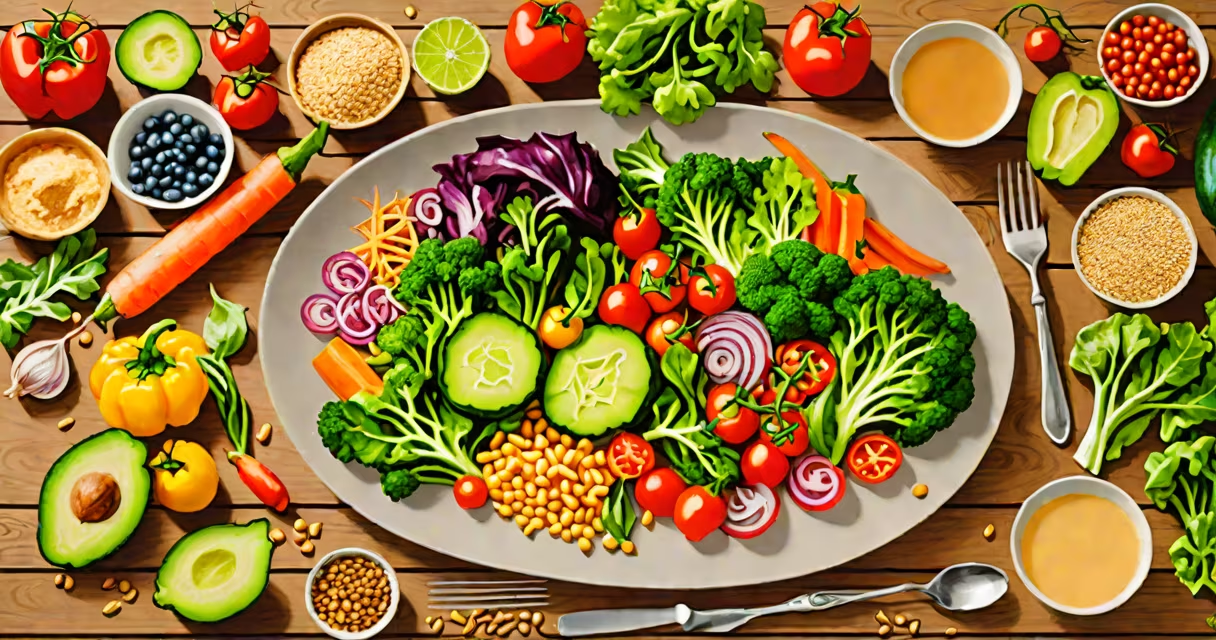
The best and healthiest diet to lose weight is one centered on whole, minimally processed foods-vegetables, fruits, whole grains, legumes, nuts, seeds, and lean proteins-combined with consistent portion control and daily physical activity. This approach supports gradual fat loss, preserves muscle mass, and reduces risk of chronic disease.
Unlike short-term plans that eliminate entire food groups or rely on extreme calorie restriction, the most effective weight-loss strategies are rooted in sustainability and nutritional balance. The National Institutes of Health (NIH) confirms that long-term success hinges on dietary patterns that can be maintained for years, not weeks.
A 2021 review published in JAMA Internal Medicine analyzed 48 randomized controlled trials involving over 6,000 participants. It found that low-carbohydrate, Mediterranean, and plant-based diets produced similar average weight losses over 12 months-about 5-7 kg (11-15 lbs)-but the Mediterranean and plant-based diets showed greater improvements in cardiovascular markers and insulin sensitivity.
Weight loss occurs when energy intake is less than energy expenditure. However, the quality of calories matters. Diets high in refined sugar, trans fats, and ultra-processed foods disrupt satiety signals and promote fat storage even at moderate caloric intake.
Whole foods provide fiber, protein, and healthy fats that increase fullness and reduce snacking. For example, a meal of grilled salmon, quinoa, and roasted broccoli delivers 35 grams of protein and 12 grams of fiber-nutrients that slow digestion and stabilize blood sugar. A comparable meal of processed chicken nuggets, white rice, and frozen peas offers half the protein and negligible fiber.
One study tracked 100 adults on a 16-week program. Those who ate primarily whole foods lost an average of 8.3 kg (18.3 lbs), while those consuming ultraprocessed diets lost only 2.5 kg (5.5 lbs), despite matching calorie counts. The difference stemmed from reduced hunger and improved metabolic efficiency.
While many diets claim to be "the best," research identifies several patterns that consistently support healthy weight loss:
| Diet Type | Core Foods | Key Benefits | Limitations |
|---|---|---|---|
| Mediterranean | Olive oil, fish, vegetables, legumes, nuts, whole grains | Reduces inflammation, improves heart health, sustainable | Requires cooking time; may be costly in some regions |
| Plant-Based (whole-food) | Fruits, vegetables, beans, lentils, tofu, oats, nuts | Low saturated fat, high fiber, lowers LDL cholesterol | Needs planning to meet B12 and iron needs |
| Low-Carb (not ketogenic) | Lean meat, eggs, leafy greens, berries, nuts | Effective for insulin resistance; rapid early loss | May lack fiber if not balanced with vegetables |
Each of these patterns emphasizes food quality over calorie counting. They prioritize volume and nutrient density-foods that fill you up with fewer calories. For example, 100 grams of kale contains 22 kcal and 5.5 grams of fiber. The same weight of potato chips delivers 530 kcal and 0.5 grams of fiber.
Contrary to popular belief, no single macronutrient ratio works universally. A 2023 clinical trial found that individuals on a 40/30/30 (carbs/fat/protein) diet lost more fat than those on a 55/25/20 ratio-but only when they consumed mostly whole foods. Processed versions of both diets led to similar fat gain.
Many people assume that eliminating carbs or cutting fat entirely leads to faster results. But research shows that restrictive diets often fail long-term. A 2022 meta-analysis in Obesity Reviews found that 80% of participants regained lost weight within five years when following highly restrictive regimens.
Another myth is that "detox" or juice cleanses remove toxins and jumpstart metabolism. The liver and kidneys handle detoxification naturally. Juice-only diets lack protein and essential amino acids, leading to muscle loss and fatigue. One patient reported dizziness and irritability after a three-day juice cleanse-symptoms resolved within 24 hours of resuming solid meals.
Some confuse the best and healthiest diet to lose weight with a "one-size-fits-all" solution. Body composition, activity level, and metabolic health vary widely. A 30-year-old woman with polycystic ovary syndrome (PCOS) may benefit more from a low-glycemic, high-fiber diet than a high-protein, low-fat plan. Tailoring is essential.
Consider a 45-year-old man with prediabetes who weighed 102 kg (225 lbs). He adopted a modified Mediterranean diet: 80% whole foods, 20% occasional treats. His daily intake included:
He exercised 45 minutes daily-brisk walking and light resistance training. After 12 weeks, he lost 11.5 kg (25.3 lbs), reduced his HbA1c from 6.2% to 5.7%, and lowered his blood pressure from 140/90 mmHg to 128/82 mmHg.
This outcome reflects findings from the PREDIMED trial, which demonstrated that Mediterranean-style eating reduced type 2 diabetes incidence by 30% over five years compared to a control group.
Diets that promise rapid weight loss-more than 0.5 kg (1 lb) per week-are likely unsustainable. They often involve severe calorie deficits (<1,200 kcal/day), which trigger hormonal changes that increase appetite and lower resting metabolic rate.
High-protein, low-carb diets can be effective short-term but lead to constipation and increased kidney workload in some individuals. The American Society of Nephrology warns against prolonged use in people with existing kidney issues.
Long-term success isn't about perfection-it's about consistency. The best and healthiest diet to lose weight isn't a temporary fix. It's a lifestyle built on nourishing food, mindful eating, and realistic goals. When supported by medical guidance and personal adaptation, it becomes a lifelong tool for health.