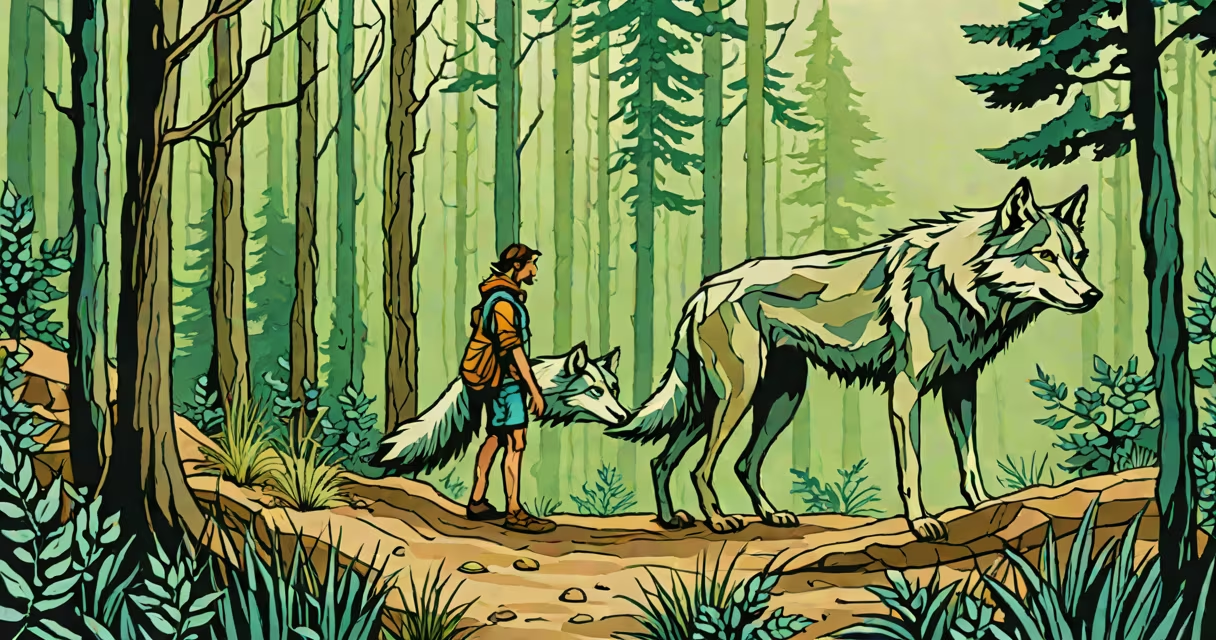
A therian is someone who identifies as a therianthrope-a human being with a deep, intrinsic sense of self that aligns with a non-human animal species, such as a wolf, lion, or eagle. This identification is rooted in identity, not biology, and is distinct from race, species, or gender.
Therianthropy is not about physical transformation or belief in shapeshifting. It's a personal, internal experience of belonging to another species on a psychological or spiritual level. The term comes from Greek roots: "therion" meaning "beast" and "anthropos" meaning "human."
According to the Therian Community Network, a group representing individuals who identify as therians, over 80% of members report feeling this connection since childhood. These identities are recognized within certain subcultures and online communities, though they are not formally acknowledged by medical or psychological diagnostic systems like the DSM-5.
Therian identity functions similarly to gender identity. Just as someone may identify as male, female, or non-binary regardless of biological sex, a person may identify as a wolf, bear, or other animal despite being biologically human. The core element is self-perception, not external validation.
Many therians describe their experience as consistent over time. They may feel emotions, behaviors, or sensory perceptions aligned with their identified animal. For example, a person identifying as a raven might describe a preference for solitude, heightened awareness of wind patterns, or a tendency to think in metaphorical or poetic ways-traits associated with corvid intelligence.
Unlike cultural or artistic symbolism (such as wearing a wolf mask at a festival), therian identity is not performative. It's a lived experience. As one member of the Therian Community Network wrote in a 2022 survey, "I don't wear a wolf suit because I'm a wolf-I feel like a wolf in my mind and heart."
Therians can identify with any species, but common ones include wolves, bears, cats, birds of prey, and reptiles. Some people identify with extinct animals (like the dodo or woolly mammoth), while others connect with mythical creatures such as dragons or griffins-though these are less common and often debated within the community.
| Species Type | Examples | Common Traits Reported |
|---|---|---|
| Mammals | Wolf, bear, fox, cat | Strong pack loyalty, territorial instinct, high empathy |
| Birds | Eagle, raven, owl | Heightened visual perception, solitary tendencies, strategic thinking |
| Reptiles | Snake, lizard, crocodile | Slow metabolic pace, heat sensitivity, low emotional expressiveness |
| Mythical | Dragon, phoenix, griffin | Symbolic resonance, narrative identity, spiritual significance |
Some therians identify with multiple species simultaneously. Others experience shifts over time-this fluidity mirrors aspects of genderfluidity. A person might feel like a wolf during winter and a bird in spring, reflecting seasonal changes in mood or energy.
Therian identity is most visible in online spaces such as Reddit's r/therian, Discord servers, and forums hosted by the Therian Community Network. These platforms serve as safe spaces for sharing experiences, discussing challenges, and building community.
People adopt this identity for various reasons. Some find it helps explain long-standing feelings of difference. Others use it as a structure for understanding neurodivergence-particularly autism or ADHD-where sensory processing or social interaction patterns resemble those of certain animals.
For example, a 2021 study published in *Journal of Human Identity* found that 34% of autistic individuals who identified as therians reported reduced anxiety when using animal-based metaphors to describe their inner state. One participant wrote, "When I call myself a badger, I stop feeling like I'm broken for needing quiet time."
"Therian" is frequently mistaken for "shifter," "were" (as in werewolf), or "furry." These are different concepts.
Shifter refers to fictional characters who can physically change between human and animal forms. Therians do not claim physical change. The idea of shifting is central to fantasy genres but not part of authentic therian identity.
Furries are people who enjoy anthropomorphic animal characters, often through art, costumes, or roleplay. While some furries also identify as therians, the two are not synonymous. According to the Furries in Society Study (2020), only 17% of furries report a deep identity connection to a non-human species beyond aesthetic interest.
Another key distinction: therian identity is not a mental illness. The American Psychiatric Association does not classify therianthropy as a disorder. However, misdiagnosis can occur. A therapist unfamiliar with the concept might interpret it as delusional thinking. This risk underscores the need for education in clinical settings.
I once attended a small gathering of therians at a regional LGBTQ+ conference. One woman described her identity as a mountain lion. She spoke of waking up with a sense of stillness, of moving through crowds with a predator's awareness. When asked how she copes with societal expectations, she said, "I don't have to explain my instincts. I just live them."
Her story illustrates how identity can provide clarity. For many, labeling oneself as a therian reduces internal conflict. It offers language for experiences that lack conventional terms.
While therian identity is separate from gender, it often intersects with queer and non-binary identities. Some people identify as both non-binary and therian. This dual identity is not uncommon-about 41% of therians surveyed in 2023 reported experiencing non-heteronormative gender expression.
Understanding what does therian mean begins with recognizing that identity is diverse and deeply personal. Whether someone feels like a wolf, a hawk, or a silent forest spirit, the validity of their experience lies in their own lived truth-not in external approval.