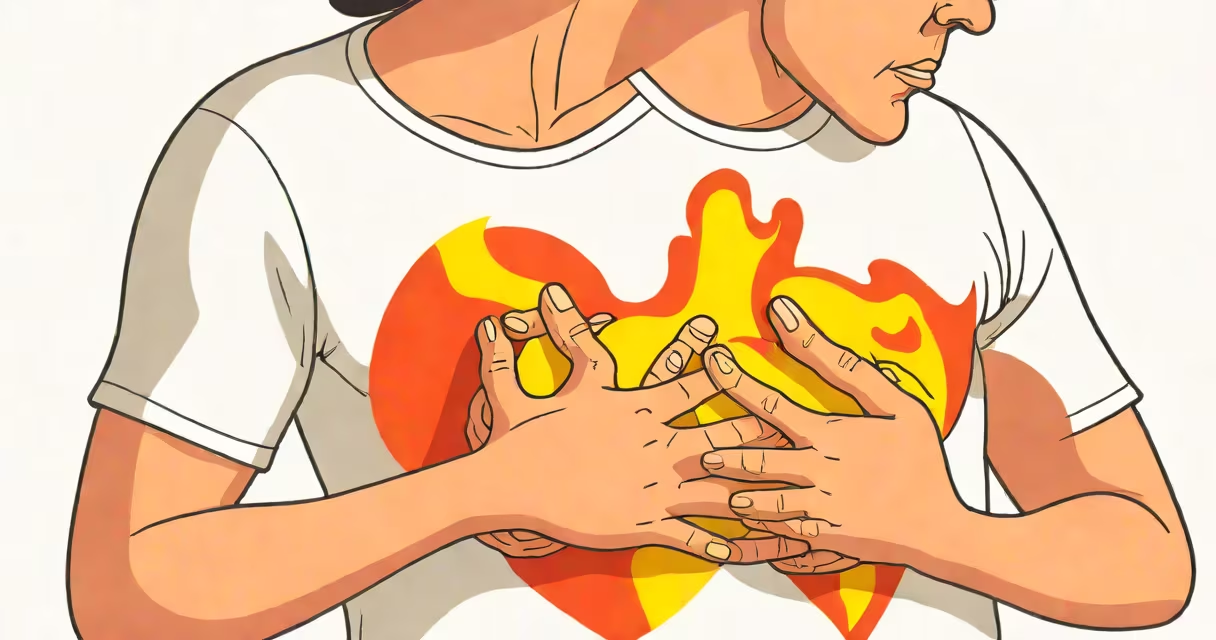
GERD, or gastroesophageal reflux disease, occurs when stomach acid regularly backs up into the esophagus, causing irritation and damage over time. This happens due to a weakened lower esophageal sphincter, which normally prevents acid from flowing upward.
The lower esophageal sphincter (LES) acts as a valve between the stomach and esophagus. When it relaxes too often or doesn't close properly, acid escapes into the food pipe. This leads to persistent heartburn, regurgitation, and potential long-term harm to the esophageal lining.
Chronic acid exposure can cause inflammation, strictures (narrowing), and Barrett's esophagus-a precancerous condition. The American College of Gastroenterology notes that untreated GERD increases the risk of esophageal adenocarcinoma by up to 60 times compared to the general population.
GERD isn't a sudden event. It results from repeated episodes of acid reflux that evolve into a chronic condition. Reflux happens occasionally in most people-after eating spicy meals or lying down soon after eating-but when it occurs more than twice a week for several weeks, it may indicate GERD.
Over time, the constant acid exposure damages the squamous epithelium lining the esophagus. The body responds by replacing it with columnar cells, a process called metaplasia. This change is irreversible and increases cancer risk. The progression from mild reflux to severe GERD typically takes months to years.
A 2021 study published in Gastroenterology found that 20% of adults with weekly heartburn developed erosive esophagitis within five years without treatment. This shows that frequent reflux isn't just uncomfortable-it's a sign of structural damage.
Several factors contribute to LES dysfunction and acid reflux. Obesity is a major driver-each 10 kg increase in body weight raises GERD risk by 20%. Excess abdominal fat pushes the stomach upward, forcing acid past the sphincter.
Diet plays a key role. High-fat foods, chocolate, caffeine, alcohol, citrus fruits, and tomato-based sauces relax the LES and stimulate acid production. Eating large meals or lying down within two hours of eating further increases pressure on the stomach.
Other contributors include smoking, hiatal hernias (where part of the stomach protrudes through the diaphragm), and certain medications like NSAIDs, calcium channel blockers, and sedatives. Stress doesn't cause GERD directly, but it can worsen symptoms by increasing acid secretion and altering gut motility.
| Factor | Impact on GERD Risk | Example |
|---|---|---|
| Obesity (BMI >30) | Increases risk by 2-3x | Person weighing 100 kg has higher reflux frequency |
| Hiatal hernia | Reduces LES pressure by 40% | 30% of GERD patients have a hernia on endoscopy |
| Smoking | Decreases LES tone by 25% | Smokers report more nighttime reflux |
| Alcohol consumption | Relaxes LES in 70% of users | One drink increases reflux episodes by 30% |
Many assume heartburn is just a digestive nuisance. But persistent heartburn is a red flag for underlying pathology. The Mayo Clinic states that 10% of people with daily heartburn develop complications like esophageal ulcers or bleeding.
Another misconception is that antacids cure GERD. They neutralize acid temporarily but don't address the root cause-impaired sphincter function or delayed gastric emptying. Long-term reliance on antacids masks ongoing damage and delays diagnosis.
Some confuse GERD with functional dyspepsia, where upper abdominal pain occurs without reflux. Both conditions share symptoms like bloating and nausea, but only GERD involves acid backflow. A 2020 study in Alimentary Pharmacology & Therapeutics found that 40% of patients misdiagnosed with dyspepsia actually had undiagnosed GERD.
Consider a 42-year-old office worker who ate late dinners, drank wine nightly, and gained 15 pounds over two years. He experienced heartburn three times a week for six months. He dismissed it as "spicy food," using antacids sporadically.
After six months, he began waking at night with a sour taste in his mouth and difficulty swallowing. An endoscopy revealed grade B esophagitis-visible erosion of the esophageal lining. Biopsies confirmed Barrett's metaplasia. His doctor diagnosed him with GERD and recommended PPI therapy, weight loss, and dietary changes.
This case illustrates how gradual lifestyle shifts lead to irreversible changes. The damage occurred over time, not overnight. Early intervention could have prevented tissue remodeling.
If heartburn occurs more than twice a week, lasts longer than 10 minutes, or wakes you at night, consult a gastroenterologist. Persistent cough, hoarseness, or asthma-like symptoms may signal silent GERD-acid reaching the airway without typical heartburn.
Red flags include unintentional weight loss, vomiting blood, or black stools-signs of bleeding or obstruction. These require immediate evaluation. Endoscopy is the gold standard for diagnosing esophageal damage and detecting Barrett's esophagus.
I've seen patients delay care for years, assuming they'd "get used to" the burning. One man waited until he developed a stricture-narrowing requiring dilation-to seek help. By then, the esophagus had lost elasticity. Early diagnosis prevents such outcomes.
GERD shares symptoms with other disorders. Acid reflux differs from gastritis (stomach lining inflammation), which causes epigastric pain but not regurgitation. It also differs from gallbladder disease, which triggers right upper quadrant pain after fatty meals.
Cardiac-related chest pain mimics GERD. However, cardiac pain is often described as pressure, tightness, or radiating to the arm or jaw. It's not relieved by antacids. If chest pain is new or unexplained, rule out heart issues first.
For accurate diagnosis, doctors use pH monitoring (measuring acid levels in the esophagus) and manometry (testing muscle contractions). These tests confirm abnormal reflux patterns and differentiate GERD from functional disorders.
GERD is not a minor inconvenience. It's a chronic condition that requires consistent management. Left untreated, it leads to serious complications. Recognizing early signs and seeking timely care reduces long-term health risks.
Knowing how you got gerd begins with identifying patterns-diet, weight, posture, medication use. Once identified, changes to habits and medical treatment can halt progression and prevent permanent damage.