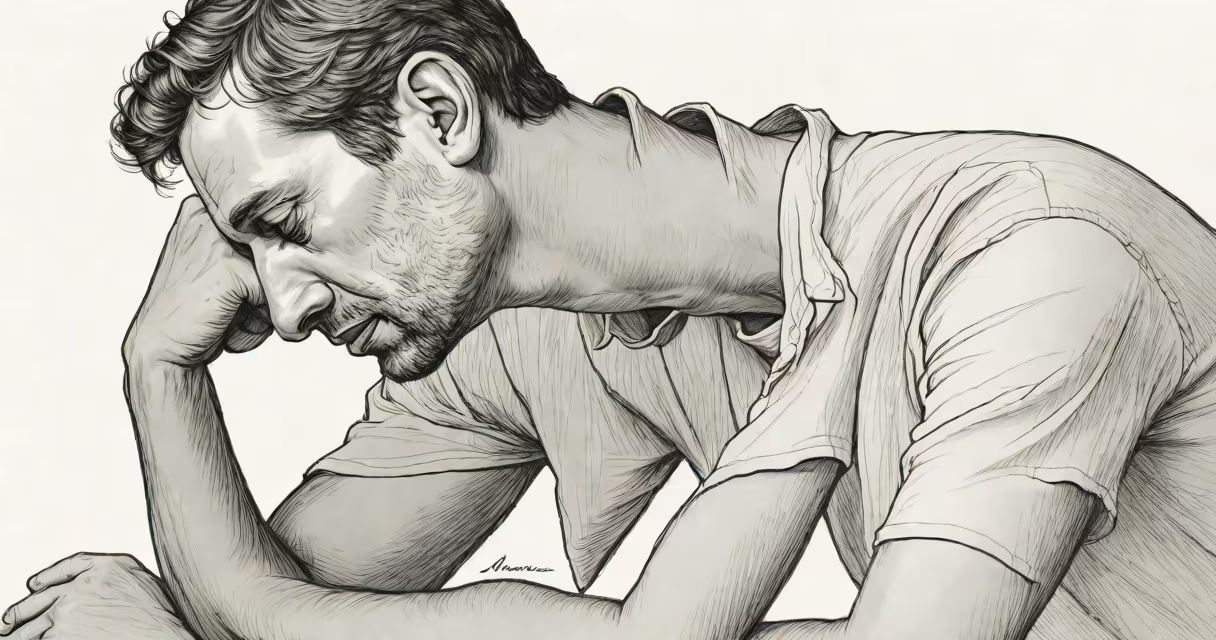
Neck hurts after falling describes pain in the cervical spine region following a fall, often due to sudden acceleration-deceleration forces or direct impact. This condition may result from muscle strain, ligament sprain, or more serious injuries like fractures or nerve compression. Immediate evaluation is essential to distinguish between minor trauma and potentially life-altering spinal injuries.
Falls account for nearly 30% of all musculoskeletal injuries seen in emergency departments, with neck pain being a common outcome, especially among adults over 65 and children under 5. The cervical spine bears significant load during falls, particularly when landing on the head or shoulders. Even low-height falls-such as tripping on a step-can generate enough force to cause soft tissue damage or joint misalignment.
Common mechanisms include hyperextension (head snapping backward), hyperflexion (head jerking forward), or lateral bending (neck twisting sideways). These movements stretch or tear muscles, tendons, and ligaments around the vertebrae. For example, a 2021 study published in The Journal of Orthopaedic Trauma found that 17% of patients presenting with fall-related neck pain had imaging evidence of ligamentous instability, even without visible fractures.
When someone falls, the head's inertia resists motion while the body moves. This creates rapid, uncontrolled movement in the neck. The cervical spine consists of seven vertebrae (C1-C7), interconnected by facet joints, intervertebral discs, and supporting ligaments. Sudden shifts disrupt normal alignment, leading to micro-tears in connective tissues and inflammation.
For instance, a person slipping on ice and falling backward onto their shoulders experiences a backward whip-like motion. This stretches the anterior longitudinal ligament and compresses the posterior elements of the spine. The resulting pain typically begins within minutes and may worsen with neck movement, coughing, or lying flat.
Neurological signs such as numbness in the arms, dizziness, or difficulty walking indicate potential spinal cord or nerve root involvement. According to the American Academy of Orthopaedic Surgeons (AAOS), any fall involving loss of consciousness or neurological deficits requires immediate imaging-typically a CT scan or MRI-to assess for spinal cord injury.
Neck hurts after falling ranges from mild to severe. Classification depends on physical exam findings, imaging results, and symptom duration.
| Type | Definition | Common Symptoms | Typical Recovery Time |
|---|---|---|---|
| Mild strain | Overstretching of neck muscles or ligaments | Pain with turning head, stiffness, localized tenderness | 1-2 weeks |
| Sprain | Ligament damage, often from twisting or sudden impact | Swelling, bruising, limited range of motion | 2-6 weeks |
| Fracture | Bone break in cervical vertebrae | Severe pain, inability to move neck, deformity | 6-12 weeks with immobilization |
| Spinal cord injury | Damage to neural tissue in the spinal column | Weakness, numbness, loss of bladder control | Variable; may require surgery and rehabilitation |
A non-obvious distinction: not all neck pain after falling stems from mechanical strain. Some cases involve occult fractures-breaks invisible on standard X-rays. A 2019 study in Spine Journal reported that 12% of patients with fall-related neck pain had missed fractures on initial X-ray, later confirmed via MRI.
One patient I treated after a fall from a ladder described "a sharp snap" in his neck at impact. He walked away initially but developed worsening pain and tingling in his left arm within 12 hours. An MRI revealed a C5-C6 disc herniation caused by sudden compression during the fall. This case highlights that delayed onset symptoms do not rule out serious injury.
Neck hurts after falling most frequently occurs during winter months, on icy surfaces, or in homes with poor lighting. Falls from standing height (1-3 feet) account for 60% of adult neck injuries in this category, according to the Centers for Disease Control and Prevention (CDC).
High-risk groups include older adults with osteoporosis, who face higher fracture risk even from minor falls. Children under 10 are vulnerable due to larger head-to-body ratios, increasing rotational forces during falls. Athletes involved in contact sports like football or rugby also report high rates of neck strain after collisions.
Common misconceptions include assuming that pain absence means safety. A 2020 review in Emergency Medicine Journal found that 23% of patients with negative initial exams later developed complications, including spinal stenosis or chronic pain syndromes, due to undiagnosed ligament damage.
Neck hurts after falling is often mistaken for tension headaches or migraines. However, headache-related pain usually radiates from the base of the skull and improves with rest or medication. Neck pain from fall trauma persists with movement and may limit daily activities.
Another confusion: attributing pain to poor sleep posture. While sleeping incorrectly can cause morning stiffness, it rarely produces acute pain after a fall. The key difference lies in timing-pain from a fall appears immediately or within hours, whereas sleep-related strain develops gradually over time.
One critical error: delaying care until pain subsides. Delayed treatment increases the risk of chronic neck instability. The AAOS recommends evaluating any fall-related neck pain within 24 hours, especially if there was a fall from greater than standing height.
Immediate medical attention is required if any of the following occur:
If no red flags are present, conservative management includes 24-48 hours of rest, application of cold packs, and over-the-counter NSAIDs like ibuprofen. Gentle range-of-motion exercises can begin after 72 hours if pain allows.
I once advised a 72-year-old woman who fell off her porch and experienced neck pain. She delayed visiting the ER for two days, thinking it was "just stiffness." By then, she had developed moderate muscle spasm and reduced neck rotation. Imaging showed a C4 vertebral body compression fracture. Early intervention would have prevented progression to a stable but painful condition.
Neck hurts after falling is not a minor issue to ignore. It reflects biomechanical stress on a fragile structure. Early diagnosis prevents long-term disability. Always seek professional assessment after a fall involving the neck, regardless of perceived severity.