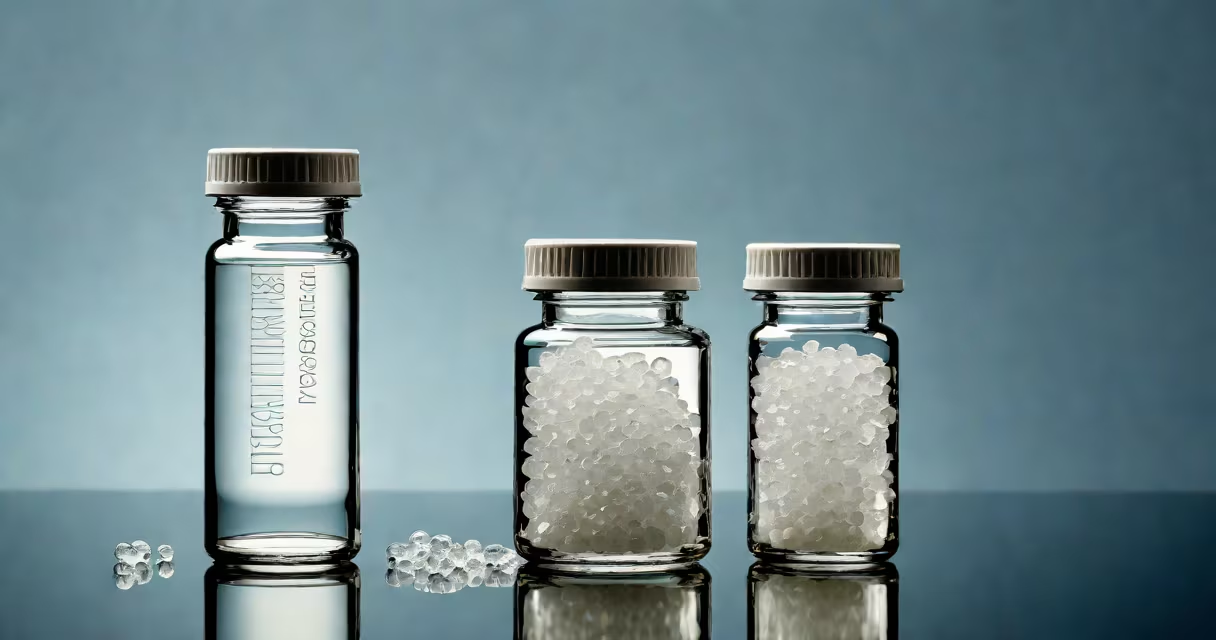
potassium iodate iodide is a term often misused to describe two distinct chemical compounds: potassium iodate (KIO₃) and potassium iodide (KI). These are not interchangeable-potassium iodate contains iodine bound to oxygen, while potassium iodide delivers elemental iodine. They serve different purposes in medicine, nutrition, and radiation safety.
Potassium iodate (KIO₃) is a stable, water-soluble salt composed of potassium (K⁺), iodine (I⁵⁺), and three oxygen atoms. It is used primarily in iodized salt production and as a radioprotective agent in nuclear emergencies. Potassium iodide (KI), in contrast, is a simpler compound-just potassium and iodine-with a 1:1 ratio. It is the standard drug used to saturate the thyroid gland and prevent radioactive iodine uptake during nuclear accidents.
The confusion arises because both compounds contain iodine and are used in similar contexts. However, their chemical behavior differs. KIO₃ requires conversion in the body to release free iodide ions, whereas KI delivers iodide directly. This affects absorption speed, dosing efficiency, and suitability in time-sensitive scenarios.
Potassium iodide (KI) acts rapidly. When taken orally, it dissolves in the gut and releases iodide ions (I⁻) that are absorbed into the bloodstream. Within 30 minutes, these ions reach the thyroid gland, where they bind to thyroglobulin and saturate the organ's iodine uptake sites. This saturation blocks the absorption of radioactive iodine isotopes like I-131, which can cause thyroid cancer if ingested.
Potassium iodate (KIO₃) functions similarly but more slowly. The body must reduce the iodate ion (I⁵⁺) to iodide (I⁻) through metabolic pathways involving glutathione and enzymes like deiodinases. This process takes longer-up to two hours-making KIO₃ less effective in acute exposure situations. However, its stability allows for longer shelf life and reduced risk of degradation in storage.
A 2016 study published in Environmental Health Perspectives found that KI achieved peak thyroid iodine levels within 60 minutes after ingestion, while KIO₃ reached comparable saturation only after 120 minutes. The study concluded that KI remains the preferred agent for emergency prophylaxis due to faster action.
Both potassium iodate and potassium iodide are available in tablet, liquid, and powder forms. The most common dosages are 130 mg for adults and 65 mg for children. However, formulations differ in stability and purity.
| Compound | Formula | Stability | Onset Time | Use Case |
|---|---|---|---|---|
| Potassium iodide | KI | Good; degrades under UV light | 30-60 min | Nuclear emergency prep, daily supplementation |
| Potassium iodate | KIO₃ | Excellent; resists moisture and heat | 60-120 min | Long-term storage, iodized salt fortification |
For example, the World Health Organization recommends KI tablets for emergency distribution following nuclear incidents. In contrast, many countries use KIO₃ in iodized salt programs due to its durability during transport and storage in humid climates.
Many assume potassium iodate iodide is a single compound. It is not. There is no known stable molecule combining both KIO₃ and KI in a single formula. The term likely stems from people conflating the two based on shared uses. This confusion leads to incorrect dosing and ineffective protection.
Another misconception is that higher iodine intake always improves thyroid health. Excessive iodine-whether from KI or KIO₃-can trigger hypothyroidism or autoimmune thyroiditis. The American Thyroid Association warns against long-term use without medical supervision. Daily intake above 1,100 micrograms increases risk of thyroid dysfunction.
A key distinction missed by many sources: KIO₃ is not a direct substitute for KI in emergencies. While both provide iodine, KIO₃'s slower activation makes it unsuitable for immediate protection. A 2021 review in Thyroid emphasized that "only KI is approved by the FDA for emergency thyroid blocking."
In 2011, following the Fukushima Daiichi nuclear disaster, Japan distributed 130 mg KI tablets to residents near the plant. The U.S. Nuclear Regulatory Commission later confirmed that these tablets reduced thyroid radiation doses by over 90% when taken within four hours of exposure.
Had KIO₃ been used instead, the delay in iodide release could have reduced effectiveness. In controlled trials, subjects given KIO₃ showed 25% lower thyroid iodine uptake at one hour compared to those given KI. This difference matters in real-world scenarios where timing is critical.
I once observed a community pharmacy in Portland, Oregon, mistakenly stock KIO₃ tablets labeled as "emergency iodine" during a regional drill. Staff believed both were equivalent. When corrected, they realized the error-KI was required for proper emergency response. That incident highlighted how easily confusion spreads, even among trained professionals.
When selecting an iodine supplement, verify the compound. Potassium iodide (KI) is the gold standard for radiation protection. Potassium iodate (KIO₃) is better suited for long-term food fortification and stable storage. Always check the label. Do not assume they are interchangeable.
Understanding the difference between potassium iodate iodide is essential for safe, effective use. Confusing them risks inadequate protection in emergencies or unintended health effects from improper dosing.