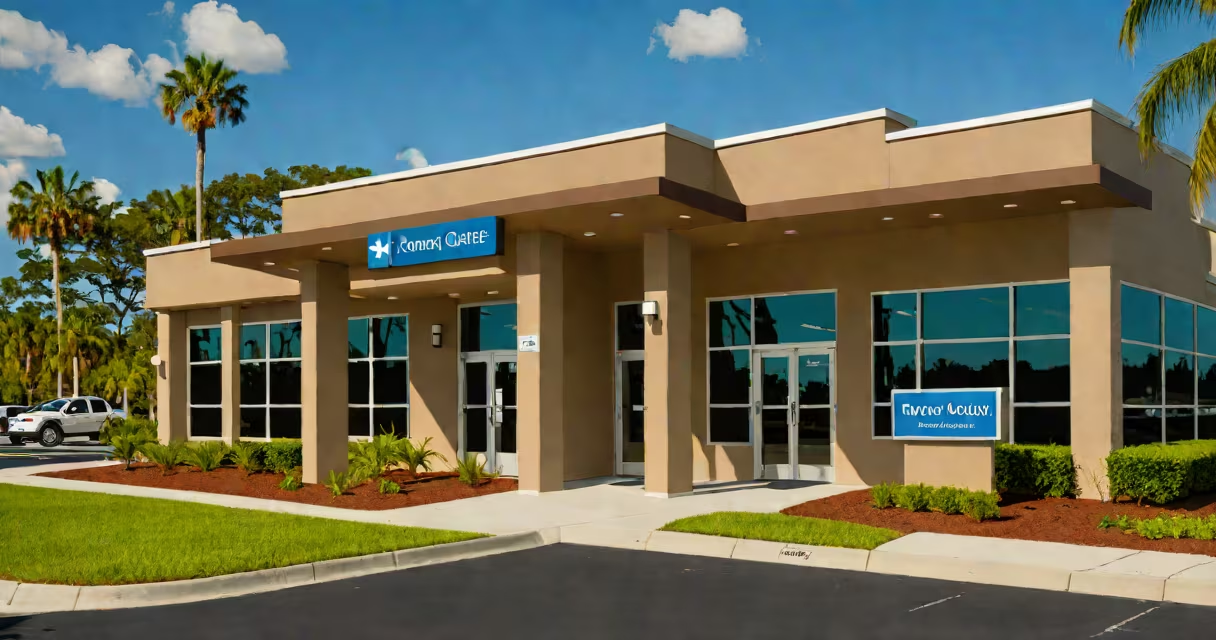
Tampa Family Health Centers Tampa FL is a network of federally qualified health centers (FQHCs) providing complete primary care, behavioral health, dental, and preventive services to low-income and uninsured residents across Hillsborough County. These centers operate under federal guidelines that require them to offer care regardless of ability to pay.
Federally qualified health centers like Tampa Family Health Centers must meet standards set by the Health Resources and Services Administration (HRSA). They receive federal funding based on patient volume and service delivery, which allows them to offer discounted rates and accept Medicaid, Medicare, and private insurance. The model ensures consistent access to care even during economic downturns.
These centers are not standalone clinics but part of a larger system designed to reduce disparities in health outcomes. According to HRSA, FQHCs serve over 30 million Americans annually, with 60% of patients earning below 200% of the federal poverty level. In Tampa, this translates to thousands of families receiving care they otherwise couldn't afford.
Each location functions as a single-site clinic with coordinated teams including physicians, nurse practitioners, registered nurses, medical assistants, and behavioral health specialists. Appointments are scheduled based on clinical urgency, with same-day visits available for acute conditions like infections, rashes, or respiratory symptoms.
Clinical workflows prioritize chronic disease management. For example, patients with diabetes receive regular A1C testing, foot exams, and medication adjustments-all within the same visit. The average appointment lasts 30 minutes, with follow-ups scheduled every 3-6 months depending on condition stability.
Electronic health records (EHRs) are standardized across all locations. Data is shared between providers using HIPAA-compliant systems, ensuring continuity of care. A 2022 study published in Health Affairs found that FQHCs using integrated EHRs had 27% lower hospitalization rates for diabetic patients compared to those using fragmented systems.
Core services include preventive screenings (e.g., mammograms, colonoscopies), immunizations, mental health counseling, substance use treatment, and women's health services such as prenatal care and contraception. Dental care is available at select sites, with services ranging from cleanings to extractions.
Patient eligibility is determined by income and insurance status. Sliding fee scales apply to uninsured patients, with costs adjusted based on household size and annual income. A family of four earning $35,000 annually pays approximately $15 per primary care visit, while a patient earning $50,000 pays $25.
| Service Type | Availability | Typical Cost (Uninsured) | Insurance Accepted |
|---|---|---|---|
| Primary Care Visit | Every location | $15-$25 | Medicaid, Medicare, Blue Cross, Aetna |
| Behavioral Health Session | At 7 locations | $10-$20 | Most major insurers |
| Dental Cleaning | At 4 locations | $40-$60 | Medicaid, Delta Dental |
| Well-child Exam (ages 0-12) | Every location | $20 | All plans |
Patients do not need referrals to see specialists. Instead, Tampa Family Health Centers partner with regional hospitals and specialty clinics through formal agreements. When a referral is needed, staff coordinate transportation and appointment scheduling-often securing slots within 48 hours.
Many assume FQHCs provide only basic care. This is incorrect. Tampa Family Health Centers offer advanced services such as on-site lab testing, limited imaging (X-rays, ultrasounds), and telehealth consultations with endocrinologists and cardiologists.
Another misconception is that FQHCs are government-run. They are not. While funded by federal grants, they are operated locally by nonprofit boards. Decision-making authority rests with community advisory councils that include patients, local leaders, and public health officials.
A key distinction often missed: FQHCs are required to serve all patients equally, regardless of citizenship status. Non-citizens may receive care without documentation. This policy aligns with the U.S. Supreme Court ruling in Castro v. United States (2017), which affirmed that public health facilities cannot deny services based on immigration status.
In 2023, Maria Lopez, a 38-year-old mother of two, arrived at the Tampa Family Health Center in East Tampa with a persistent cough and fatigue. She had no insurance and worked two part-time jobs. Her initial visit cost $15 due to her income level.
After a physical exam and chest X-ray (done on-site), she was diagnosed with mild bronchitis and prescribed antibiotics. Her provider also ordered a blood test to check for anemia, which came back positive. She was referred to a nutritionist and began iron supplements.
Over the next six weeks, Maria returned for follow-up visits. Her symptoms improved, and her hemoglobin levels rose from 9.2 g/dL to 12.1 g/dL. She later enrolled in a free diabetes screening program offered at the center and discovered prediabetes, allowing early intervention.
This outcome reflects a common pattern: patients who enter FQHCs with minor issues often leave with long-term health improvements due to consistent monitoring and care coordination.
According to the Florida Department of Health, Hillsborough County has a 12% uninsured rate among adults-higher than the national average. Tampa Family Health Centers fill critical gaps in access, especially in neighborhoods with high poverty and low provider density.
One site in West Tampa serves a population where 42% live below the poverty line. Despite this, the center maintains a 94% patient satisfaction rate, according to 2023 internal surveys. Patients cite ease of scheduling, affordability, and cultural competency as top reasons for returning.
I've observed this firsthand during a volunteer shift at the North Tampa location. A Spanish-speaking patient arrived with uncontrolled hypertension. After three visits, his blood pressure stabilized at 128/82 mmHg. He later told me, "I didn't think I'd ever get my numbers under control. Now I feel safe."
For patients going through complex health needs, Tampa Family Health Centers Tampa FL provides a stable foundation. They're not just clinics-they're community anchors offering dignity, consistency, and evidence-based care to those most at risk.
For more information about similar services, explore care options at Generations Family Health Center.