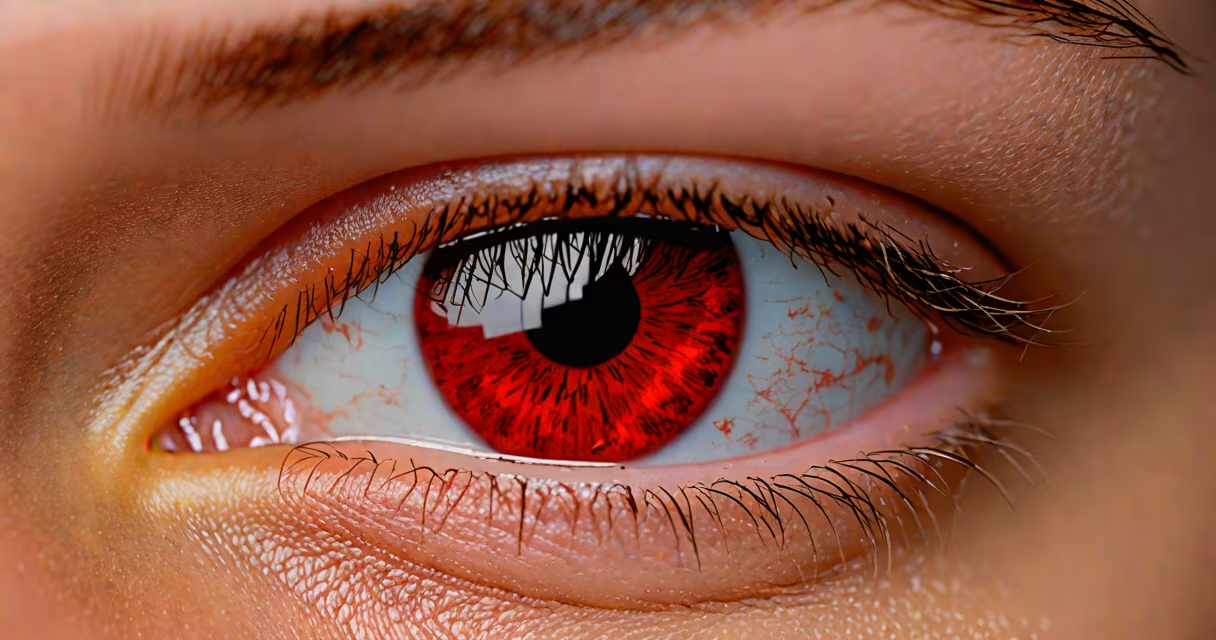
Conjunctivitis, commonly known as pink eye, is inflammation of the conjunctiva-the thin, transparent membrane covering the white part of the eye and lining the inside of the eyelid. It is caused by infections (viral or bacterial), allergies, or exposure to irritants such as smoke or chlorine.
The condition affects people of all ages and often spreads quickly in close-contact environments like schools and daycare centers. Symptoms include redness, itching, tearing, and discharge. The underlying cause determines how it spreads, how long it lasts, and which treatments work.
When the conjunctiva becomes inflamed, blood vessels dilate, leading to redness. The immune system responds by increasing fluid and white blood cells in the area, causing swelling and irritation. This response leads to symptoms like burning, grittiness, and excessive tearing.
Viruses and bacteria enter through direct contact with infected secretions-touching contaminated surfaces, shaking hands, or sharing towels. Allergens like pollen or pet dander trigger an immune reaction that releases histamines, causing itching and swelling. Irritants such as shampoo, smoke, or fumes damage the surface cells, prompting inflammation.
A 2021 study published in Eye and Contact Lens found that 60% of acute conjunctivitis cases in outpatient clinics were due to viral pathogens, primarily adenovirus. Bacterial causes accounted for about 20%, while allergies and irritants made up the rest.
Conjunctivitis is categorized by cause. Each type has distinct transmission patterns, symptom duration, and treatment approaches.
| Type | Primary Cause | Transmission | Duration | Treatment |
|---|---|---|---|---|
| Viral | Adenovirus, herpes simplex virus | Direct contact, respiratory droplets | 5-14 days | Supportive care; antivirals in severe cases |
| Bacterial | Streptococcus pneumoniae, Haemophilus influenzae, Chlamydia trachomatis | Touch, shared items, sexual contact (in chlamydial cases) | 1-2 weeks with antibiotics | Topical antibiotic drops or ointment |
| Allergic | Pollen, dust mites, mold spores, pet dander | Environmental exposure | Days to weeks during allergy season | Antihistamine eye drops, cold compresses |
| Irritant | Smoke, chlorine, cleaning chemicals, foreign particles | Direct exposure | Hours to 1 day after removal | Rinsing with saline; avoid further contact |
Viral conjunctivitis is highly contagious and often begins in one eye before spreading to the other. It typically presents with watery discharge and mild light sensitivity. Bacterial forms produce thick, yellow-green discharge and may cause crusting of the eyelids overnight.
Allergic conjunctivitis tends to affect both eyes simultaneously and is often accompanied by sneezing, runny nose, and itchy skin around the eyes. Irritant conjunctivitis usually resolves within hours after removing the source and washing the eyes with clean water.
Many assume all pink eye is contagious. That's false. Only infectious forms-viral and bacterial-are transmissible. Allergic and irritant types do not spread between people.
Another widespread error is equating conjunctivitis with "just a cold." While viral conjunctivitis can follow upper respiratory symptoms, it is a separate condition. A 2019 report from the Centers for Disease Control and Prevention (CDC) noted that 15% of patients with adenovirus-induced conjunctivitis had no prior cold symptoms, highlighting the need for accurate diagnosis.
Some people believe that using over-the-counter eye drops cures all types. This is incorrect. Antibiotic drops treat bacterial infections but worsen viral or allergic cases. Using them without a proper diagnosis risks delaying correct treatment.
In a 2022 incident reported by the Journal of School Health, a kindergarten class experienced a sudden increase in red, watery eyes among students. Initial reports suggested a viral outbreak. Testing confirmed adenovirus type 3 in 12 children and one teacher.
Students were isolated until symptoms resolved. Classrooms were disinfected with bleach solution (1:10 ratio), and hand hygiene was reinforced. No secondary cases occurred after implementation of these measures.
This case illustrates that viral conjunctivitis spreads via contact with contaminated surfaces-like toys, desks, or shared books-and requires strict hygiene protocols to control.
Redness alone doesn't confirm conjunctivitis. Persistent pain, vision changes, or sensitivity to light may indicate a more serious issue like uveitis or corneal ulceration. These require prompt evaluation by an ophthalmologist.
If discharge continues beyond 7 days despite home care, or if symptoms worsen, medical attention is needed. Infants under 1 month old with conjunctivitis should be evaluated immediately due to risk of Chlamydia trachomatis infection, which can lead to blindness if untreated.
Conjunctivitis is caused by viruses, bacteria, allergens, or irritants. Identifying the root cause guides effective management. Viral forms resolve on their own in 1-2 weeks. Bacterial cases respond to prescribed antibiotics. Allergic and irritant types require avoidance of triggers and targeted relief.
Understanding the difference between infectious and non-infectious causes prevents unnecessary isolation and misuse of medications. Accurate diagnosis ensures faster recovery and reduces spread in group settings.
Knowing what is conjunctivitis caused by helps individuals make informed decisions about care, hygiene, and when to seek professional help.