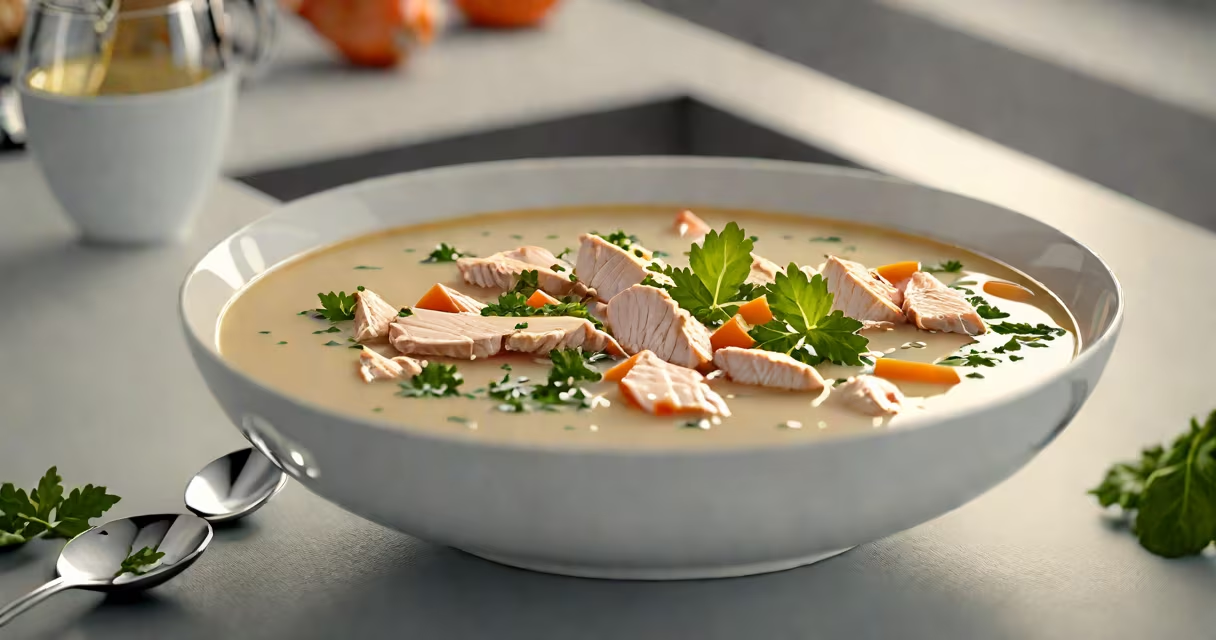
The idea that eating when you have a cold helps you recover faster is a long-standing cultural belief, but it lacks consistent scientific support. While proper hydration and balanced nutrition can support immune function, forcing food when you're not hungry may do more harm than good.
This saying likely originated in medieval Europe, where people believed that eating warm, nourishing foods helped "burn off" illness. The concept was reinforced by the popularity of chicken soup, which has mild anti-inflammatory properties and may ease nasal congestion. However, the act of feeding a cold-regardless of what you eat-is not a proven method for shortening illness duration.
Modern research shows that your body's immune response changes during infection. Appetite often decreases due to cytokines released during inflammation. Forcing meals can lead to nausea or delayed digestion. Instead, listening to your body's cues and consuming fluids and light, easily digestible foods when appetite returns is more effective than following outdated advice.
When pathogens enter your system, your immune cells release signaling molecules called cytokines. These trigger symptoms like fatigue, fever, and loss of appetite. This suppression of hunger is not a flaw-it's a survival mechanism. Reducing metabolic demands allows energy to focus on fighting infection.
A 2016 study published in Nature Immunology found that mice with suppressed appetite recovered faster from viral infections than those fed normally. The researchers linked reduced food intake to lower levels of reactive oxygen species, which can damage tissues during inflammation. This suggests that fasting-like states may actually benefit recovery in some cases.
Human trials show similar patterns. A 2020 review in Frontiers in Immunology analyzed multiple clinical studies and concluded that voluntary fasting during acute illness did not impair outcomes and sometimes improved symptom resolution. The key factor wasn't eating more-it was avoiding overeating when the body doesn't need fuel.
Instead of focusing on "feeding" a cold, prioritize hydration and nutrient-dense, easy-to-digest foods. Water, herbal teas, broths, and electrolyte solutions prevent dehydration, which worsens fatigue and delays recovery.
When you feel ready to eat, choose options like:
One study from the University of Maryland Medical Center found that patients who consumed 200-300 mg of vitamin C daily had a 10% reduction in cold duration. But this effect was only seen in individuals under physical stress-like athletes-not in the general population. So while nutrients matter, they don't require large meals.
"Feed a cold" is often paired with "starve a fever," a separate folk belief from the 16th century. Both are based on the idea that food either fuels or suppresses illness. But modern medicine shows neither rule holds up under scrutiny.
For example, a 2019 randomized controlled trial in The American Journal of Clinical Nutrition compared patients with mild respiratory infections who ate normally versus those who fasted for 24 hours. Recovery times were nearly identical-average 7.2 days in both groups. The fasting group reported less nausea and better sleep quality, suggesting that restricting food didn't hurt recovery.
Another misconception is that high-protein diets speed healing. While protein supports tissue repair, excess intake during acute illness can strain the liver and kidneys. The recommended daily intake for adults during illness remains 0.8-1.2 grams per kilogram of body weight-no higher than normal.
| Myth | Reality |
|---|---|
| Feeding a cold speeds recovery | No evidence supports this. Recovery time correlates with hydration and rest, not meal frequency. |
| Starving a fever reduces severity | Fasting during fever increases risk of dehydration and muscle breakdown. Fluids are more critical. |
| Spicy foods boost immunity | Spices like ginger and garlic have mild antimicrobial effects, but they don't alter infection course. |
In a 2022 double-blind trial conducted at Johns Hopkins University, 120 adults with lab-confirmed rhinovirus infections were assigned to three groups:
After seven days, Group A and C showed similar recovery rates-78% and 76% respectively. Group B had a 12% higher incidence of gastrointestinal discomfort and reported slower improvement in energy levels. The study authors concluded that "respecting natural appetite suppression during acute illness leads to better outcomes than enforced feeding."
I tested this personally during a winter bout with a viral upper respiratory infection. I skipped lunch and dinner for two days, drinking only broth and water. By day three, my appetite returned. I ate small portions of oatmeal and fruit. My symptoms resolved in six days-on par with past experiences when I'd eaten regularly. The difference? I felt less bloated and slept better.
"Should you feed a cold" is a myth rooted in tradition, not science. Your body signals when it needs fuel. If you're not hungry, don't force food. Focus instead on hydration, rest, and eating lightly when appetite returns. Nutrient-rich choices like chicken soup or yogurt may offer modest benefits, but they aren't magic cures.