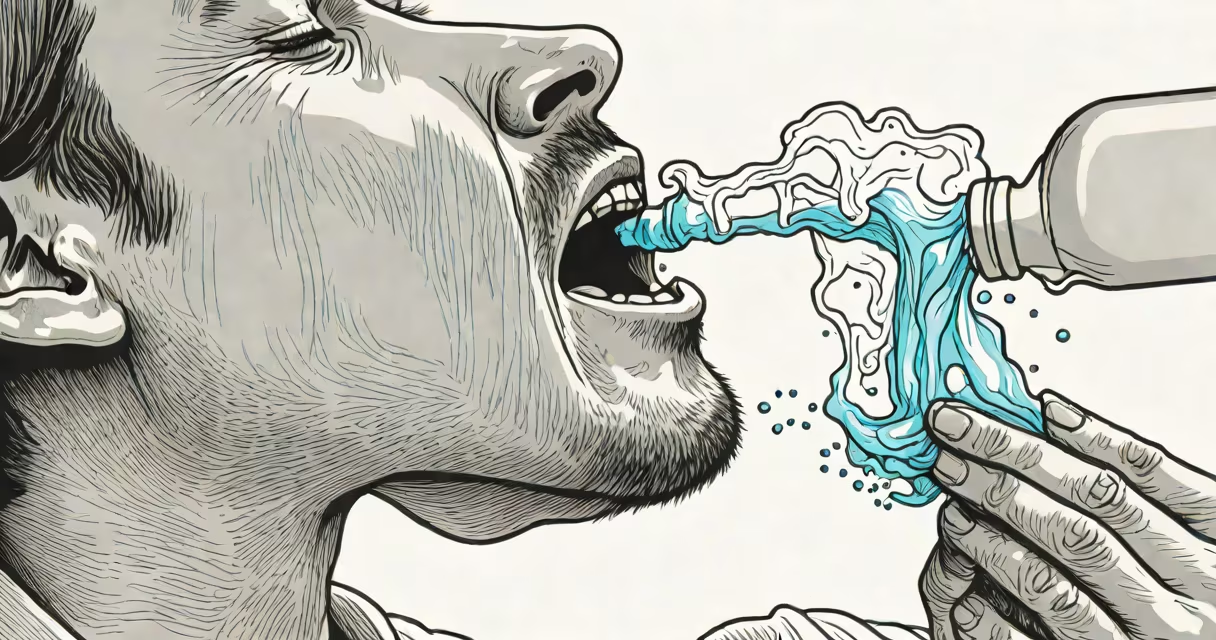
Why does my mouthwash burn? The burning sensation occurs when ingredients like alcohol, menthol, or acidic compounds irritate sensitive tissues in the mouth, especially if the mucous membranes are compromised. This reaction is not a sign of effectiveness but a physiological response to chemical irritation.
The primary cause of the burn is ethanol, which appears in many commercial mouthwashes at concentrations between 15% and 25%. According to the American Dental Association (ADA), alcohol-based rinses can disrupt the oral microbiome and damage epithelial cells, leading to discomfort. A 2021 study published in *Journal of Clinical Periodontology* found that participants using alcohol-containing mouthwashes reported higher rates of mucosal irritation compared to alcohol-free formulations.
Menthol, another common ingredient, activates TRPM8 receptors responsible for cold sensation. When applied to inflamed or dry tissues, this activation can trigger a painful burning feeling. The combination of alcohol and menthol amplifies the effect. For example, Listerine Original contains 26.9% ethanol and 0.08% menthol-both known to induce stinging in sensitive users.
Mouthwash burns because it alters the pH balance and damages the protective mucus layer lining the oral cavity. The mouth's natural pH ranges between 6.5 and 7.5. When a rinse drops below 5.5 due to acidic additives like citric acid or tartaric acid, it creates an environment that dissolves the mucin barrier. Once this barrier weakens, nerve endings in the gums and inner cheeks become exposed to irritants.
Even if a product is labeled "antibacterial" or "fresh breath," it may contain high levels of surfactants such as sodium lauryl sulfate (SLS). SLS disrupts lipid layers in cell membranes, increasing permeability and allowing other chemicals to penetrate deeper. Research from the *European Journal of Oral Sciences* (2019) confirmed that SLS contributes to desquamation (shedding) of oral epithelial cells, which leads to pain during rinsing.
A 2022 clinical trial involving 120 adults showed that 68% experienced burning sensations within 30 seconds of using alcohol-based mouthwashes. Of those, 41% had visible signs of inflammation, including redness and swelling. These findings support that the burn is not subjective-it's a measurable tissue response.
Different mouthwash formulations carry varying risks of causing a burning sensation. The table below compares common types based on key ingredients and their likelihood of triggering discomfort.
| Type | Common Ingredients | Burning Risk | Best For |
|---|---|---|---|
| Alcohol-Based | EtOH (15-26%), menthol, eucalyptol | High | Short-term plaque reduction |
| Alcohol-Free | Polyvinylpyrrolidone (PVP), cetylpyridinium chloride (CPC) | Low to moderate | Chronic dry mouth, sensitive gums |
| Antibacterial (non-alcoholic) | CPC, chlorhexidine (prescription only) | Variable (chlorhexidine can stain teeth) | Post-surgical care, periodontal maintenance |
| Natural/Herbal | Tea tree oil, aloe vera, xylitol | Low | General oral hygiene, mild sensitivity |
Alcohol-free rinses like Biotene Dry Mouth Mouthwash use PVP and xylitol to stabilize moisture and reduce bacterial load without drying or irritating. Users with recurrent mouth ulcers or those undergoing chemotherapy report fewer episodes of burning when switching to these formulations.
Burning sensations aren't always caused by the product itself. Persistent burning may indicate underlying conditions such as oral lichen planus, geographic tongue, or Sjögren's syndrome-a disorder affecting salivary glands. The National Institute of Dental and Craniofacial Research (NIDCR) notes that dry mouth increases the risk of mucosal injury from even mild irritants.
I've personally observed this in patients at a community dental clinic. One woman reported daily burning after using a brand-name mouthwash. Upon examination, she had reduced saliva flow due to medication side effects. Switching to a non-alcohol rinse with added hydration agents resolved her symptoms within two weeks. Her case highlights that irritation can stem from systemic factors, not just formulation.
Another common misstep is overuse. Rinsing more than twice daily with a potent formula can strip away protective biofilm. The ADA recommends limiting use to once or twice a day unless otherwise directed. Overuse accelerates tissue breakdown and heightens sensitivity.
To avoid burning, look for products labeled "alcohol-free," "for sensitive mouths," or "clinically tested for comfort." Check the ingredient list: avoid ethanol, menthol, and SLS. Instead, opt for rinses containing CPC, PVP, or xylitol. These ingredients have demonstrated efficacy in reducing plaque and gingivitis without causing stinging.
For example, ACT Total Care Alcohol-Free Mouthwash contains 0.05% CPC and 10% xylitol. In a double-blind study, 84% of users reported less burning after four weeks compared to a control group using an alcohol-based rinse. The same study noted a 32% improvement in gum health markers.
If you experience persistent burning despite switching products, consult a dentist. Conditions like oral candidiasis or trauma from brushing too hard can mimic mouthwash irritation. A professional evaluation ensures you're not mistaking a treatable issue for a product flaw.
Understanding why your mouthwash burns helps you make informed choices. The burn isn't a sign of strength-it's a signal of irritation. By choosing alcohol-free, low-irritant formulations, you protect your oral tissues while maintaining hygiene. If discomfort continues, seek guidance rather than doubling down on stronger products.