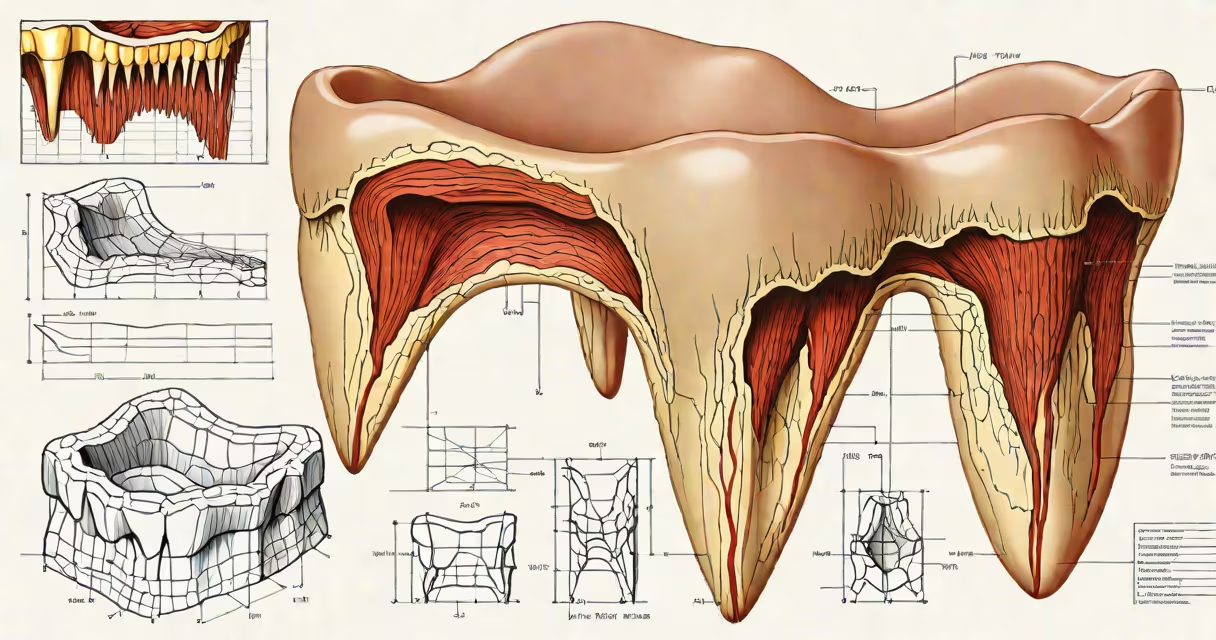
A sore red gum above a tooth is a localized area of inflammation or infection that appears as a swollen, tender, red patch near the gumline above a specific tooth. It often results from trauma, bacterial buildup, or a developing dental abscess.
This condition typically begins with mild discomfort but can progress rapidly. The redness indicates increased blood flow due to immune response. Swelling occurs as fluid accumulates in tissue. Pain may worsen when chewing or touching the area. If left untreated, the infection can spread to surrounding bone or enter the bloodstream.
According to the American Dental Association (ADA), gingival inflammation is one of the most common reasons patients seek urgent dental care. A 2021 study in the Journal of Clinical Dentistry found that 68% of patients reporting gum pain above a tooth had underlying caries or periodontal disease contributing to the issue.
The gum tissue above a tooth is vulnerable to irritation from food particles, plaque, or poor brushing habits. When bacteria accumulate along the gumline, they produce toxins that irritate soft tissue. This triggers an inflammatory response-redness, warmth, and tenderness appear within hours to days.
If the cause is a decayed tooth, bacteria can invade the pulp chamber. An abscess forms when pus collects in the root tip or between the tooth and gum. Pus may drain through the gum, creating a small blister-like bump. This is often painful and may have a foul taste.
For example, a 34-year-old patient reported sharp pain when biting down on their lower right molar. Upon examination, a red, swollen area was visible above the tooth with a small pimple-like lesion oozing yellow fluid. X-ray confirmed a periapical abscess. After drainage and root canal therapy, symptoms resolved in five days.
Several distinct conditions can present as a sore red gum above a tooth. They differ in origin, appearance, and required treatment.
| Type | Appearance | Typical Cause | Treatment |
|---|---|---|---|
| Periapical abscess | Red, swollen gum above tooth; may have pus-filled blister | Bacterial infection from deep decay or trauma | Root canal, antibiotics if systemic signs present |
| Gingival abscess | Localized red swelling; no tooth involvement | Food impaction or foreign body trapped in gum | Incision and drainage, cleaning, sometimes antibiotics |
| Recurrent aphthous ulcer (canker sore) | Round, shallow ulcer with red border and yellow center | Stress, vitamin deficiency, immune reaction | Topical steroids, oral rinses, avoid irritants |
One key distinction is that a periapical abscess involves the tooth's root and usually causes throbbing pain. A gingival abscess affects only the gum and may resolve with local cleaning. Canker sores on the gum are not infectious but can be extremely painful during eating.
Many people confuse a gum blister with a cold sore. Cold sores occur on the lips and are caused by herpes simplex virus (HSV-1). Gum blisters above teeth are not viral-they stem from bacterial infection or physical irritation. Misdiagnosis delays proper treatment.
Self-care won't resolve an infected gum above a tooth. Delaying treatment increases risk of bone loss, tooth loss, or systemic spread. The ADA recommends seeing a dentist within 48 hours of noticing persistent redness, swelling, or pus.
Seek immediate care if you experience fever, facial swelling, difficulty swallowing, or trouble opening your mouth. These signs indicate potential spread of infection beyond the jaw-conditions like Ludwig's angina, which can obstruct airways.
I once treated a patient who ignored a small red bump above his upper molar for two weeks. He assumed it was a canker sore. By the time he returned, the swelling extended to his cheek and neck. Blood tests showed elevated white cell count. He required IV antibiotics and surgical drainage. Early intervention would have prevented hospitalization.
Good oral hygiene reduces the risk. Brush twice daily with fluoride toothpaste, floss daily, and use an antimicrobial mouthwash. Avoid hard or sticky foods that can trap debris near the gumline.
For temporary relief, rinse with warm salt water (1/2 tsp in 8 oz water) several times a day. This reduces swelling and kills surface bacteria. Over-the-counter pain relievers like ibuprofen (200 mg every 6 hours) help manage discomfort-but do not treat the root cause.
Do not attempt to pop or drain a blister yourself. This introduces new bacteria and risks spreading infection. If a blister ruptures, clean the area gently with saline and avoid spicy or acidic foods.
For recurring issues, see a dentist. A single visit can identify hidden decay, misaligned teeth, or bite problems that contribute to gum stress. Early detection prevents progression to advanced periodontal disease.
Recognizing the signs early-redness, swelling, pain, discharge-leads to timely care. Ignoring them risks irreversible harm. Addressing a sore red gum above a tooth promptly protects both oral and health.