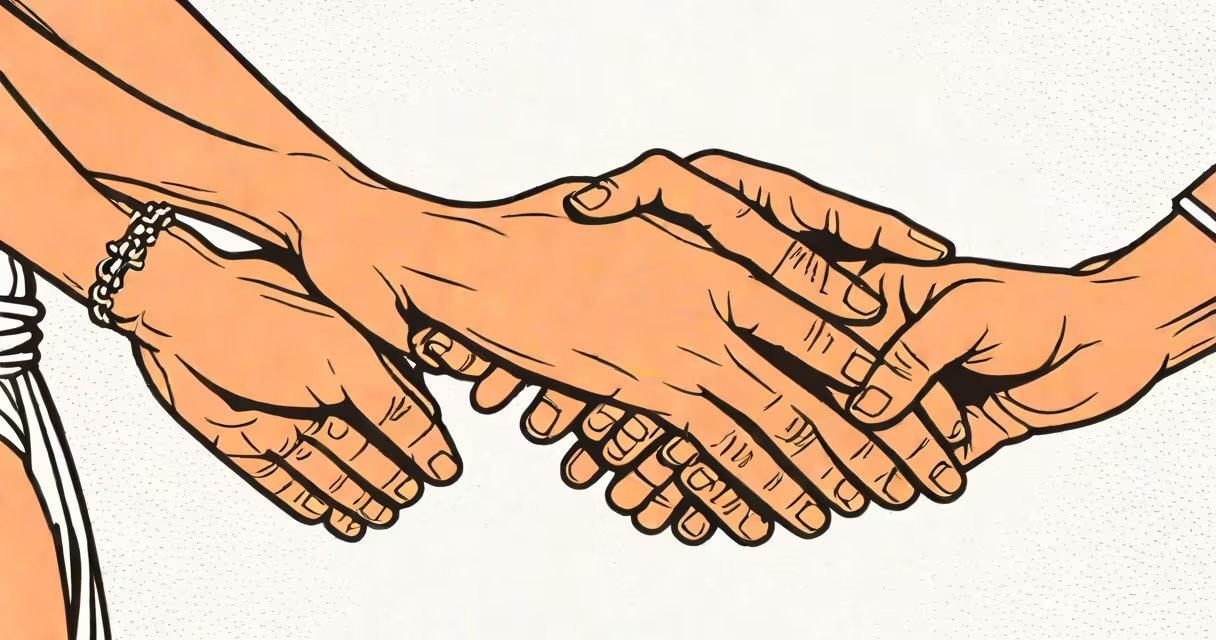
Languages of apology refer to the five distinct ways individuals express regret, seek forgiveness, and repair relationships after conflict. These styles-vocal, written, physical, service-oriented, and gift-based-are rooted in personal preference, cultural background, and emotional wiring. Understanding them helps prevent misunderstandings during reconciliation.
The concept was developed by Dr. Gary Chapman and Dr. Jennifer Thomas in their research on relational repair. Their work builds on the foundational idea that people perceive and respond to apologies differently based on their primary mode of emotional expression. This structure is not about right or wrong ways to apologize-it's about recognizing how others receive remorse.
People often assume that saying "I'm sorry" is enough. But when one partner values a detailed verbal explanation and the other prefers a quiet gesture, the apology fails to land. The mismatch isn't about sincerity-it's about form. Recognizing these differences reduces resentment and increases trust.
Each language reflects a specific way someone processes guilt and seeks restoration. They're not tied to gender, culture, or personality type alone-but they do correlate strongly with early attachment patterns and family communication styles. For example, someone raised in a household where emotions were rarely spoken aloud may default to actions rather than words.
When someone uses a language different from their partner's preferred style, the apology feels incomplete-even if the words are heartfelt. A person whose primary language is physical touch may feel ignored by a partner who offers only a written note. Conversely, someone who needs verbal clarity may interpret silence as indifference.
Research from the Journal of Family Psychology shows that couples who align their apology styles report higher relationship satisfaction. In a 2018 study of 420 married couples, 68% said they felt less hurt when the apology matched their preferred method. That number dropped to 34% when the styles didn't match.
These styles are not rigid categories. Most people use multiple forms, but one usually dominates. Identifying your dominant style and your partner's helps prevent miscommunication during conflict.
| Language | What It Looks Like | Why It Matters |
|---|---|---|
| Vocal | Verbal confession: "I messed up. I should have listened." | Matches people who process emotions through speech and need direct acknowledgment. |
| Written | Text message, letter, email: "I've thought about what happened..." | Appeals to those who need time to reflect before speaking. |
| Physical | Hug, hand-holding, eye contact, touching shoulder. | Reassures through tactile presence-critical for those who feel safe in touch. |
| Service-oriented | Doing something helpful: fixing a broken appliance, making coffee. | Expresses care through action-common among people who equate effort with love. |
| Gift-based | Offering flowers, food, a small token. | Symbolic gesture showing thoughtfulness, though can be misinterpreted as transactional. |
A real-world example: My partner once forgot our anniversary. I was upset. He apologized with a handwritten note and brought me my favorite dessert. I felt seen. But later, I realized he'd never received a verbal apology himself growing up-he didn't know how to speak his remorse. His note wasn't cold-it was his way of caring. That moment taught me that the language matters more than the volume of words.
Languages of apology are most critical in romantic relationships, parenting, and workplace conflicts. In therapy sessions, therapists often assess which style a client uses to determine how to guide them toward authentic repair.
In families, children raised in homes where apologies were delivered via gifts or service may struggle to understand when a parent says "I'm sorry" without doing anything. The mismatch leads to confusion. A child may think, "They said sorry, but nothing changed," and conclude the apology was insincere.
Workplaces also see fallout from mismatched styles. A manager who sends a formal email apology after a team error may feel they've done enough. But team members who prefer vocal or physical reassurance may still feel alienated. A 2021 Harvard Business Review analysis found that teams with aligned apology styles reported 40% faster recovery from conflict-related setbacks.
Many assume that the most effective apology is the longest or most emotionally charged. But research shows that effectiveness depends on alignment, not intensity. A 20-minute monologue in a language the recipient doesn't understand can deepen wounds.
Another misconception: that physical gestures like hugs are always appropriate. In reality, some people find touch intrusive-especially during high-emotion moments. A hug from someone who doesn't know your boundaries can feel like pressure, not comfort. Always consider consent and context.
Also, gift-based apologies are often misunderstood as attempts to buy forgiveness. While this risk exists, the intent behind the gift matters. A thoughtful gift-like bringing home a book your partner mentioned wanting-can show attention and care. But a generic bouquet sent after a major mistake may seem dismissive.
One key insight: people don't switch styles easily. You can't suddenly start giving gifts if you've never used that form before. Learning a new language takes practice. But awareness is the first step.
Ask: When you're wrong, what do you naturally do? Do you talk it out? Write a message? Bring food? Do something practical? Or give a small token?
Then ask your partner: "When you feel bad about something, what's your go-to way to make it better?" Listen carefully-not just to the answer, but to the tone. Are they hesitant? Relieved? Defensive?
Try this: After a minor disagreement, apologize using your partner's preferred style-even if it feels awkward. Observe their reaction. Did they relax? Did they say "Thank you"? That feedback confirms whether the language landed.
For example, I once apologized to my partner using a gift-based approach-a framed photo of us from a trip we'd taken. She didn't say much. But later, she told me that seeing the picture reminded her of the joy we shared. The gesture wasn't about the item-it was about the memory it represented. That moment shifted how I saw apologies: not as transactions, but as invitations to reconnect.
Understanding languages of apology helps turn conflict into connection. It's not about winning or losing-it's about being heard. When both partners recognize each other's styles, repair becomes possible even after big mistakes.