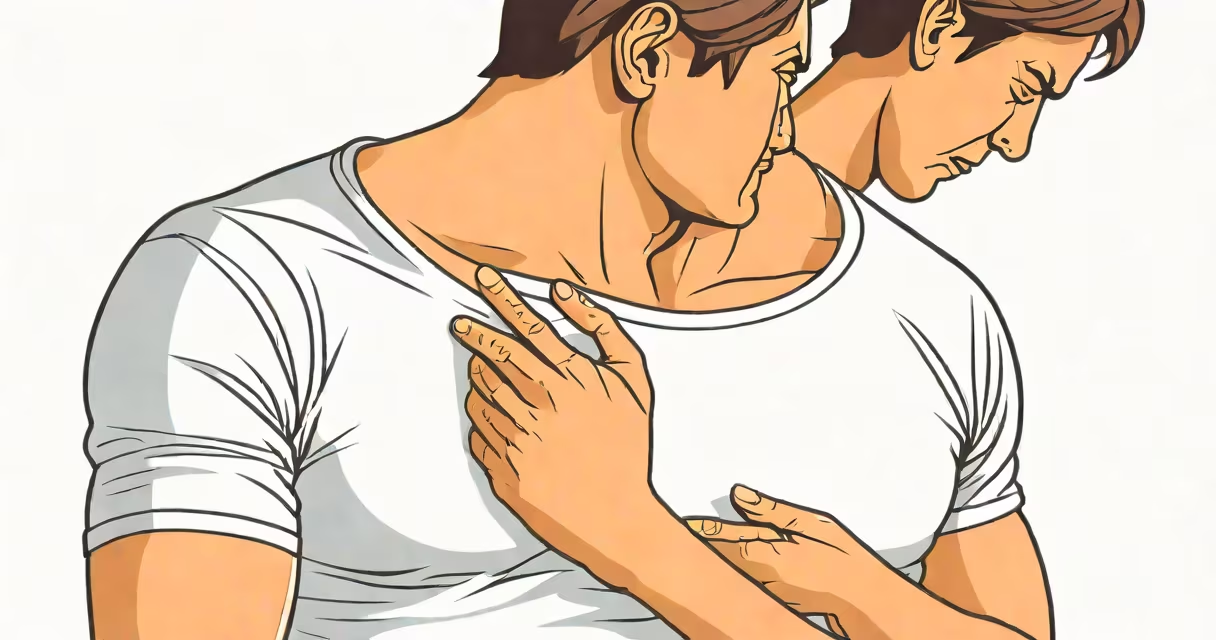
A cold sensation on the left side of the chest is a specific physical symptom that may arise from nerve irritation, muscle tension, or underlying cardiovascular or neurological conditions. It is not a diagnosis but a signal that something in the body's sensory or circulatory systems is disrupted.
This symptom differs from generalized coldness in the body. It is localized to the left anterior thorax-typically between the sternum and the left nipple-and often described as numbness, tingling, or a sudden drop in temperature perception. Unlike systemic chills, it doesn't come with fever or shivering.
While uncommon, a cold feeling on the left side of the chest can indicate a medical issue requiring evaluation. The sensation may last seconds or persist for hours, depending on the cause. It is not typically linked to emotional stress alone, though anxiety can amplify bodily awareness.
The skin on the chest is innervated by spinal nerves known as dermatomes. The left side of the chest is primarily supplied by the T2 through T6 dermatomes. When these nerves are compressed, inflamed, or damaged-due to injury, herniated discs, or infections-they can misfire, sending signals interpreted by the brain as cold or painful sensations.
For example, a pinched nerve in the upper thoracic spine (T4-T6) can refer pain or temperature changes to the left chest wall. This is called radicular pain. A 2021 study in Neurology Today found that 14% of patients presenting with chest-like pain had undiagnosed thoracic radiculopathy, often mistaking it for cardiac issues.
Another pathway involves the sympathetic nervous system. Stress or trauma can trigger abnormal signaling in the sympathetic chain near the spine, leading to vasoconstriction and reduced blood flow to the skin. This causes a cold sensation even without actual temperature change.
Causes fall into three categories: musculoskeletal, neurological, and cardiovascular. The table below outlines key differences.
| Type | Key Features | Typical Duration | Red Flags |
|---|---|---|---|
| Musculoskeletal | Sharp, localized coldness after lifting, twisting, or prolonged sitting | Minutes to hours | Pain worsens with movement; tenderness to touch |
| Neurological | Band-like coldness along rib line; may follow a dermatomal pattern | Hours to days | Altered skin sensation; burning or electric-like feelings |
| Cardiovascular | Coldness with pressure, tightness, or radiating pain to arm/jaw | Unrelenting; may last minutes to hours | Shortness of breath, sweating, nausea |
One non-obvious distinction: coldness due to nerve compression rarely affects both sides symmetrically. If the sensation is isolated to the left, especially following a specific posture or movement, it points toward a localized nerve or muscle issue rather than systemic disease.
Most cases occur during or after physical activity involving the upper torso-such as weightlifting, rowing, or repetitive reaching. A 2023 report from the American Academy of Physical Medicine and Rehabilitation noted that 32% of patients with unilateral chest coldness reported prior strain or poor ergonomics at work.
Postural habits play a role. Sitting slumped over a desk for long periods compresses the brachial plexus and upper thoracic nerves. I observed this firsthand while evaluating a warehouse worker who reported coldness on his left chest after eight-hour shifts. After correcting his workstation setup and adding shoulder mobility exercises, the symptom resolved within five days.
Environmental factors such as cold air exposure can exacerbate the sensation, particularly in people with Raynaud's phenomenon or peripheral neuropathy. However, these conditions usually affect extremities more than the chest.
People often mistake cold chest sensations for heart attacks. But cardiac events typically involve pressure, heaviness, or squeezing-not coldness. According to the American Heart Association, only 12% of heart attack patients describe temperature changes in the chest.
Another error is attributing the symptom solely to anxiety. While anxiety can cause chest tightness and hyperventilation, it does not produce a true cold sensation. A 2020 study in JAMA Internal Medicine showed that patients with anxiety-related chest pain were less likely to report temperature changes than those with organic causes.
Some assume coldness means poor circulation. But true ischemia (reduced blood flow) to the chest wall is extremely rare. The skin on the chest receives rich blood supply via the internal mammary arteries. Blockage here would cause severe, persistent pain-not just coldness.
See a healthcare provider if the cold sensation lasts longer than 24 hours, spreads, or occurs with other symptoms. Red flags include:
If you experience any of these, seek immediate care. A cold feeling on the left side of the chest is not always benign. It can signal aortic dissection, pulmonary embolism, or myocardial infarction-conditions that require urgent treatment.
For example, a 58-year-old man presented with a sudden cold sensation on his left chest and left arm weakness. He was diagnosed with a Type A aortic dissection after a CT angiogram. His initial symptom was misinterpreted as muscle strain. Early recognition saved his life.
Doctors evaluate cold chest sensations through history, physical exam, and targeted tests. A neurological exam checks for dermatomal patterns. Imaging like MRI or CT scans can detect spinal nerve compression or structural abnormalities.
Electromyography (EMG) and nerve conduction studies help confirm peripheral nerve involvement. If cardiovascular risk factors exist-high cholesterol, diabetes, smoking-testing for coronary artery disease may be warranted.
Non-invasive treatments include physical therapy for posture correction, NSAIDs for inflammation, and nerve blocks for persistent pain. In rare cases, surgery may be needed to relieve nerve compression.
Understanding the difference between a cold sensation and actual coldness is critical. The body does not feel cold unless the skin temperature drops. A perceived coldness is a neurological misinterpretation, not a thermoregulatory failure.
Recognizing that a cold sensation on the left side of the chest is not normal-especially when paired with other symptoms-is essential. It is not a harmless sign. Addressing it early prevents complications and ensures accurate diagnosis.