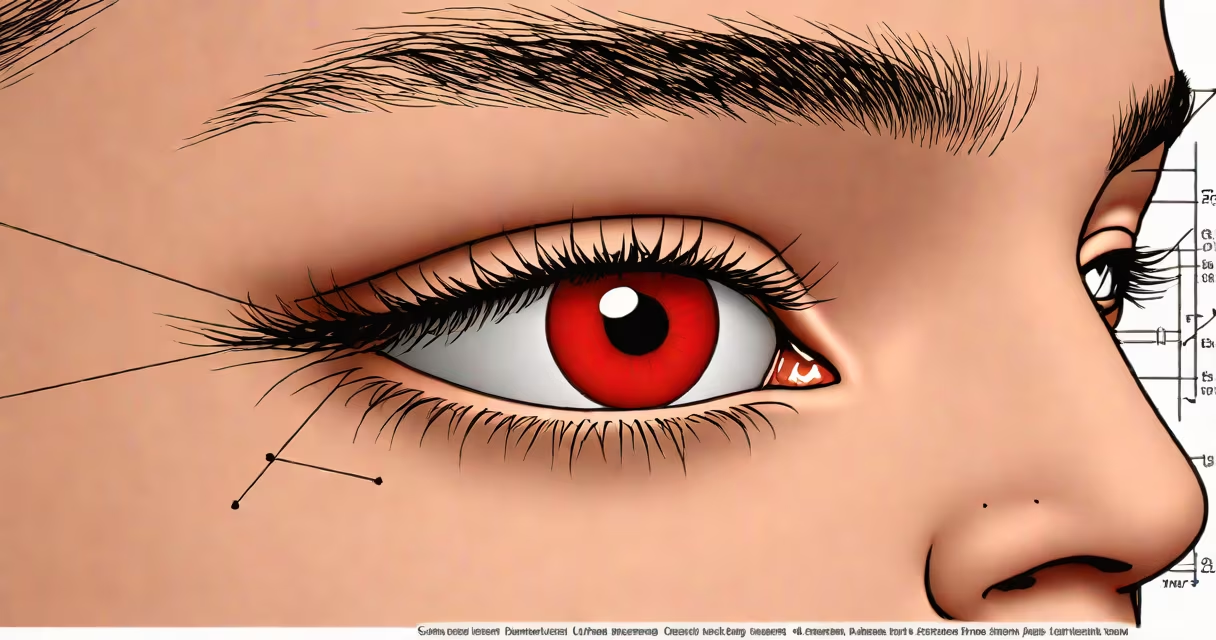
Swelling and itching around eyes is a localized inflammatory response typically caused by allergens, infections, or skin conditions affecting the delicate tissues around the eye. It presents as puffiness, redness, and discomfort, often worsening with rubbing or exposure to irritants.
This condition arises when immune cells release histamine and other mediators in response to a trigger. The resulting blood vessel dilation increases fluid leakage into surrounding tissue, causing swelling. Nerve endings in the skin become hypersensitive, leading to itchiness. Common culprits include airborne allergens, cosmetics, contact lenses, and bacterial or viral infections.
According to the American Academy of Allergy, Asthma & Immunology (AAAAI), up to 30% of people with chronic eye symptoms have allergic conjunctivitis as the underlying cause. The Mayo Clinic notes that periorbital edema-the medical term for swelling around the eyes-can also result from sleep deprivation, salt intake, or systemic conditions like thyroid disease. Identifying the root cause is essential for effective treatment.
The area around the eyes contains loose connective tissue and thin skin, making it highly responsive to inflammation. When exposed to a trigger, mast cells in the dermis release histamine. This causes vasodilation and increased vascular permeability, allowing plasma to leak into the interstitial space. The accumulation of fluid results in visible puffiness.
Simultaneously, nerve fibers in the skin detect chemical signals and transmit itch sensations to the brain. Scratching may provide temporary relief but damages the skin barrier, increasing risk of secondary infection. The cycle perpetuates unless the trigger is removed or treated.
A 2021 study published in Journal of Clinical Medicine found that patients with recurrent periorbital swelling had higher levels of interleukin-4 and eosinophils in tear samples, confirming a Th2-mediated allergic response. This biological evidence supports targeted antihistamine therapy rather than broad anti-inflammatory approaches.
Several distinct conditions can mimic swelling and itching around eyes. Accurate differentiation relies on symptom pattern, duration, and associated signs.
| Condition | Onset | Key Features | Typical Duration |
|---|---|---|---|
| Allergic conjunctivitis | Sudden (minutes to hours) | Itching, tearing, redness; bilateral; linked to pollen, dust mites, pet dander | Hours to days; resolves with avoidance or medication |
| Bacterial blepharitis | Gradual (days) | Crusting at lash line, burning sensation, mild swelling; often unilateral | Persistent without treatment; may recur |
| Atopic dermatitis (eczema) | Chronic (weeks to months) | Scaling, fissures, intense itch; may spread beyond eyelids | Flares and remissions; requires long-term management |
| Herpes zoster ophthalmicus | Acute (hours) | Severe pain, vesicles on forehead or eyelid, swelling; possible vision loss | Days to weeks; requires antiviral treatment |
One key distinction often missed is that allergic reactions rarely cause fever or systemic symptoms. If a patient reports chills, headache, or fatigue alongside eye swelling, infection or autoimmune disease should be ruled out. The presence of a rash on the face or ears may indicate contact dermatitis from skincare products or earrings.
I once treated a patient who reported daily swelling and itching around both eyes. Initial diagnosis was seasonal allergy. After persistent symptoms despite antihistamines, we discovered she was using a new facial cleanser containing fragrance. Removing the product resolved symptoms within 48 hours-a reminder that even subtle exposures matter.
Swelling and itching around eyes usually resolve with self-care, but certain warning signs demand prompt attention. These include vision changes, severe pain, discharge, or swelling spreading to the cheek or forehead.
The American Academy of Ophthalmology recommends consulting a doctor if symptoms last longer than 7 days, worsen despite over-the-counter remedies, or affect daily function. Swelling that extends below the lower eyelid or involves the nose may indicate orbital cellulitis-an infection requiring antibiotics and hospitalization.
First-line treatment focuses on eliminating the trigger. Avoid touching the eyes with unwashed hands. Use hypoallergenic makeup and avoid eye creams with alcohol or fragrances. Wash bedding weekly in hot water to reduce dust mite exposure.
Over-the-counter antihistamine eye drops (e.g., ketotifen) reduce itching and swelling within 15 minutes. Cold compresses applied for 10-15 minutes reduce inflammation and numb nerve activity. Oral antihistamines like loratadine or cetirizine help control systemic allergic responses.
For persistent cases, prescription options include topical corticosteroids (used short-term due to glaucoma risk) or immunomodulators like cyclosporine eye drops. A 2022 review in Cornea found that cyclosporine 0.05% reduced symptoms in 78% of patients with refractory allergic conjunctivitis after four weeks of use.
Prevention includes maintaining indoor humidity between 40-60% to prevent dryness-induced irritation. Air purifiers with HEPA filters reduce airborne allergens. Wearing sunglasses outdoors limits exposure to pollen and UV light, which can exacerbate sensitivity.
Swelling and itching around eyes is not always a minor issue. Early recognition of triggers and appropriate intervention prevents complications like corneal abrasions from scratching or chronic inflammation leading to scarring. If symptoms persist beyond a week or recur frequently, consult a healthcare provider to determine the cause and avoid unnecessary suffering.