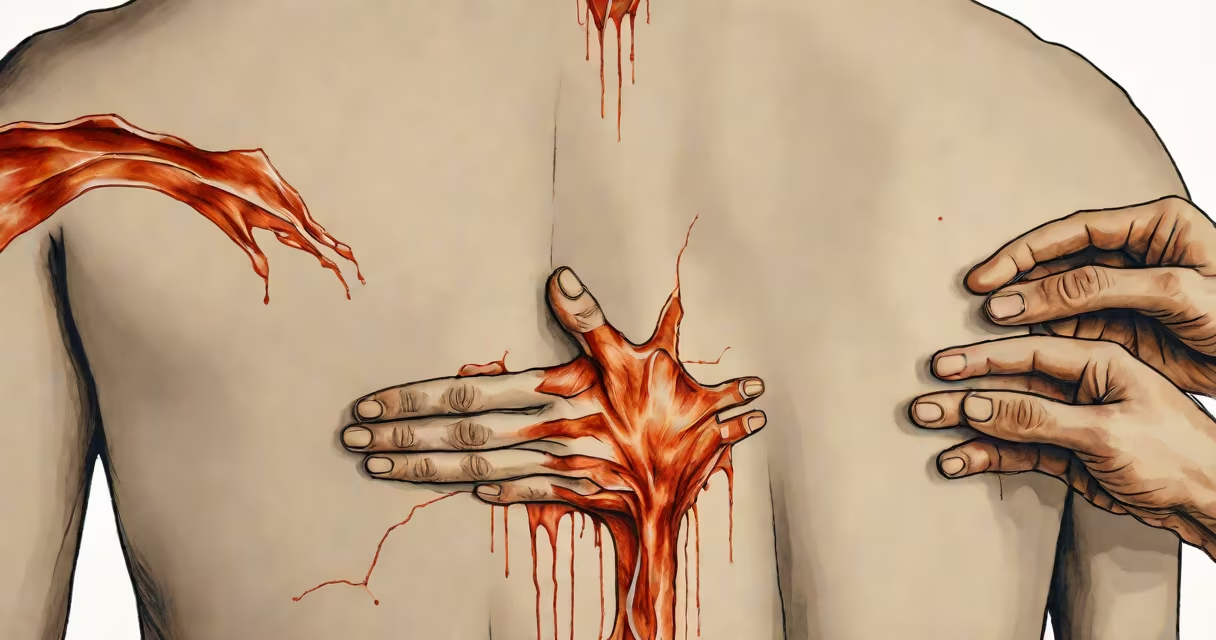
Pain below the left shoulder blade arises from muscles, nerves, bones, or internal organs. It may stem from posture, injury, or systemic conditions like heart disease or lung disorders. This pain is not always localized-it can radiate from deeper structures.
Most cases involve musculoskeletal strain. The rhomboid muscles, which stabilize the scapula, can tighten from prolonged sitting or repetitive motion. A single movement-like reaching behind your back-can trigger sharp pain. Nerve irritation along the brachial plexus or spinal roots (especially C6-T1) may cause burning or tingling that follows the arm's path.
Referred pain from internal organs is less common but critical. The heart, lungs, and spleen lie near the left upper quadrant. A heart attack may send pain to the left shoulder blade, especially in older adults or people with diabetes who have reduced sensation. Lung conditions like pleurisy or pneumonia can cause sharp, breathing-related pain under the left scapula. Spleen enlargement due to infection or trauma may press on nearby nerves.
When the left shoulder blade area hurts, the nervous system sends signals through dorsal root ganglia in the spine. These signals travel via peripheral nerves to the brain. Misinterpretation can occur-brain regions processing pain from the shoulder may confuse input from the heart or diaphragm.
For example, during a myocardial infarction, ischemic tissue releases chemicals that stimulate nerve endings. These signals travel along the same spinal pathways as those from the left arm and shoulder. The brain interprets them as shoulder pain, even though the source is the heart. This is why chest pain sometimes feels like it's in the arm or back.
Posture plays a major role. Slouching while using a computer compresses the thoracic spine and tightens the rhomboids. Over time, this leads to myofascial pain syndrome-tender knots in muscle tissue that refer pain to the scapular region. A 2021 study in Spine Journal found that 68% of patients with chronic shoulder blade pain had abnormal posture patterns.
Not all pain below the left shoulder blade is the same. Distinguishing type helps identify cause:
| Type | Characteristics | Common Causes |
|---|---|---|
| Sharp, stabbing | Onset with breath, movement | Pleurisy, rib fracture, costochondritis |
| Burning, tingling | Follows nerve path, worsens at night | Nerve compression (e.g., cervical radiculopathy) |
| Dull, aching | Worsens with activity, improves with rest | Muscle strain, myofascial pain |
| Deep, pressure-like | Associated with fatigue, nausea | Referred pain from heart or spleen |
Costochondritis- inflammation of the cartilage connecting ribs to sternum-often mimics heart pain. It causes sharp pain when pressing on the left side of the chest or upper abdomen. A 2019 review in Journal of Clinical Rheumatology reported that 12% of patients presenting with chest pain had costochondritis as the primary diagnosis.
Internal causes are rare but dangerous. Pancreatitis can refer pain to the left upper back. A ruptured spleen from trauma may cause pain under the left shoulder blade, often accompanied by dizziness and low blood pressure. These require immediate imaging and surgical evaluation.
Left shoulder blade pain occurs most frequently in office workers, athletes, and people with sedentary lifestyles. A 2020 CDC report noted that 34% of U.S. adults spend over 8 hours daily seated-increasing risk of postural strain.
Occupational factors matter. Carpenters, painters, and keyboard users often develop repetitive strain injuries. One carpenter I treated reported pain after 4 hours of overhead work. Ultrasound revealed a partial tear in the infraspinatus tendon, confirmed by MRI. Rest and physical therapy resolved symptoms in six weeks.
Age and sex influence presentation. Men over 45 with risk factors (smoking, high cholesterol) are more likely to have cardiac-related pain. Women may present with atypical symptoms-fatigue, nausea, or back pain instead of chest discomfort. The American Heart Association notes that women are 30% less likely to recognize heart attack symptoms.
Many assume shoulder blade pain is purely muscular. But persistent pain lasting more than two weeks, especially with fever, weight loss, or shortness of breath, suggests systemic illness. A 2022 study in Annals of Internal Medicine found that 14% of patients with unexplained left shoulder pain had undiagnosed lung cancer.
Another misconception: pain under the left shoulder blade always means a pinched nerve. While nerve compression is common, it's not the only cause. For example, a patient with rheumatoid arthritis developed severe pain after lifting groceries. Blood tests showed elevated inflammatory markers. MRI revealed synovitis in the glenohumeral joint-not nerve involvement.
People often mistake referred pain for injury. One man ignored left shoulder blade pain for three days, assuming it was a pulled muscle. He later collapsed at work. Emergency imaging showed a large pulmonary embolism. Early recognition of red flags-sudden onset, worsening with exertion, associated with lightheadedness-is important.
Seek urgent care if pain is sudden, severe, or accompanied by:
These signs suggest heart or lung emergencies. Delay increases mortality risk. The American College of Cardiology recommends calling 911 within 10 minutes of symptom onset.
For non-emergent cases, see a provider if pain lasts beyond 10 days, limits function, or wakes you at night. A physical exam can differentiate between muscle strain and neurological issues. Imaging-X-ray, CT, or MRI-may be needed for persistent or unexplained pain.
Understanding what causes pain below left shoulder blade begins with context. Is it activity-related? Does it follow a pattern? Knowing the difference between mechanical strain and systemic warning signs saves lives.