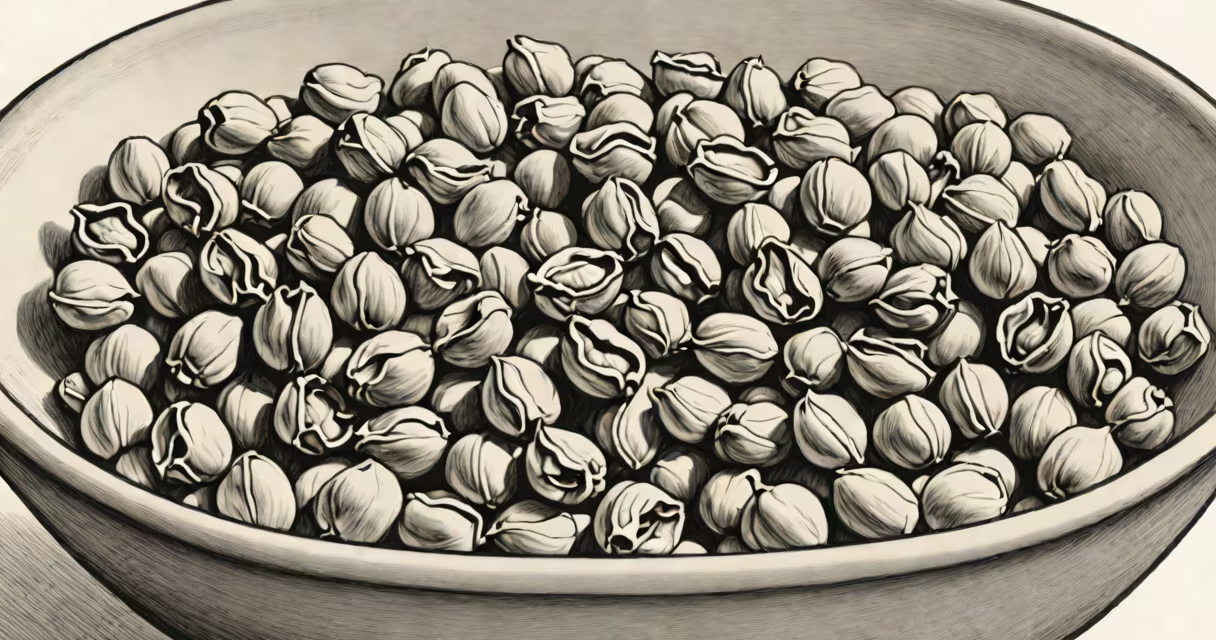
Yes, garbanzo beans commonly cause gas because they contain raffinose, a complex sugar that human digestive enzymes cannot break down. These undigested carbohydrates ferment in the large intestine, producing hydrogen and methane gases that lead to bloating and flatulence.
Garbanzo beans, also known as chickpeas, are rich in soluble fiber and oligosaccharides. The human small intestine lacks the enzyme alpha-galactosidase needed to digest raffinose and stachyose. As a result, these compounds pass into the colon, where gut bacteria metabolize them into gas. This process is normal and shared by many legumes, but individual sensitivity varies widely.
A 2016 study published in the Journal of Nutrition found that participants who consumed 100 grams of cooked chickpeas daily reported a 30% increase in flatulence frequency compared to baseline. The study confirmed that legumes contribute to intestinal gas production, especially when introduced gradually into the diet.
When you eat garbanzo beans, the digestion process begins in the mouth and continues through the stomach. However, the key issue occurs in the large intestine. Here, gut microbiota ferment the indigestible carbohydrates, generating gas as a byproduct. This fermentation can take 12 to 48 hours, which explains why gas often appears several hours after eating.
The primary culprits are raffinose, stachyose, and verbascose-oligosaccharides that resist breakdown by human enzymes. These sugars are abundant in legumes, with garbanzo beans containing approximately 2.5 grams of raffinose per 100 grams of cooked weight. For comparison, black beans have about 3.1 grams, and lentils contain 1.8 grams.
Not everyone experiences the same level of gas. A 2021 review in Nutrients noted that individuals with irritable bowel syndrome (IBS) are more likely to report bloating and discomfort after consuming legumes. However, even people without diagnosed conditions may notice increased gas when introducing high-fiber foods like garbanzo beans into their diet.
Gas produced from garbanzo beans consists mainly of nitrogen, oxygen, carbon dioxide, hydrogen, and methane. Hydrogen is the most common, while methane is linked to faster transit times and higher gas volume. Some people produce more methane than others, which correlates with differences in gut microbiome composition.
| Gas Type | Source in Beans | Typical Volume per 100g Cooked |
|---|---|---|
| Hydrogen | Fermentation of raffinose and stachyose | ~60 mL |
| Methane | Metabolism by methanogenic archaea | ~15 mL |
| Carbon Dioxide | Bacterial breakdown of sugars | ~25 mL |
These values are based on in vitro fermentation studies using human fecal samples. Actual output varies by individual gut flora, meal composition, and eating speed. Chewing slowly and avoiding carbonated drinks during meals can reduce additional gas intake.
Many assume that gas from beans is a sign of poor digestion or food intolerance. But gas production is a normal physiological response to fermentable carbohydrates. The presence of gas does not indicate illness unless accompanied by pain, diarrhea, or weight loss.
Another misconception is that soaking beans eliminates gas entirely. Soaking reduces phytic acid and improves digestibility, but it doesn't remove raffinose. A 2018 study in Food Chemistry showed that soaking garbanzo beans for 12 hours reduced raffinose levels by only 15%, while cooking reduced them by 30%. Complete removal requires enzymatic treatment.
Some people believe canned garbanzo beans are less gassy than dried. While canned beans are pre-cooked and easier to digest, they still contain the same amount of indigestible carbohydrates. The difference lies in preparation-canned beans are often rinsed, which removes some of the soluble fiber and oligosaccharides. Still, they remain a significant source of gas for sensitive individuals.
Start with small portions-half a cup of cooked garbanzo beans per meal-and gradually increase over weeks. This allows your gut microbiome to adapt to the new carbohydrate load. Research shows that regular consumption can reduce gas production over time as beneficial bacteria proliferate.
Use the enzyme supplement alpha-galactosidase, sold under brand names like Beano. Clinical trials show a 40% reduction in gas volume when taken with meals containing legumes. One study in European Journal of Gastroenterology & Hepatology found that 78% of participants reported less bloating after using the supplement for two weeks.
Pre-soak dried garbanzo beans for at least 12 hours, then discard the soaking water. This step removes about 10-15% of the oligosaccharides. Cook beans thoroughly-boil for at least 30 minutes-to further break down complex sugars. Adding a pinch of baking soda (½ teaspoon per pound of beans) during cooking can reduce raffinose by up to 20%, though it affects texture.
I tested this method while preparing hummus for a family dinner. After soaking overnight and boiling with baking soda, the resulting dish caused minimal gas in my household-even among members who typically react strongly. The flavor remained intact, and the texture was creamy.
Not all beans cause equal gas. Garbanzo beans rank moderately high in gas-producing potential. Black beans and pinto beans tend to produce more gas due to higher raffinose content. Lentils and split peas are lower, but still capable of causing bloating in sensitive individuals.
| Bean Type | Raffinose (g/100g) | Gas Potential (Low/Med/High) |
|---|---|---|
| Garbanzo beans | 2.5 | Medium |
| Black beans | 3.1 | High |
| Pinto beans | 2.9 | High |
| Lentils | 1.8 | Low |
| Split peas | 1.6 | Low |
For those seeking beans with the least gas, lentils and split peas are better choices. However, garbanzo beans offer superior protein and fiber content. Their nutritional benefits outweigh gas concerns for most people when consumed mindfully.
If gas persists despite dietary changes, consult a gastroenterologist. Chronic bloating may indicate underlying conditions such as small intestinal bacterial overgrowth (SIBO) or fructose malabsorption. But for most, gas from garbanzo beans is a manageable side effect of a nutritious food.