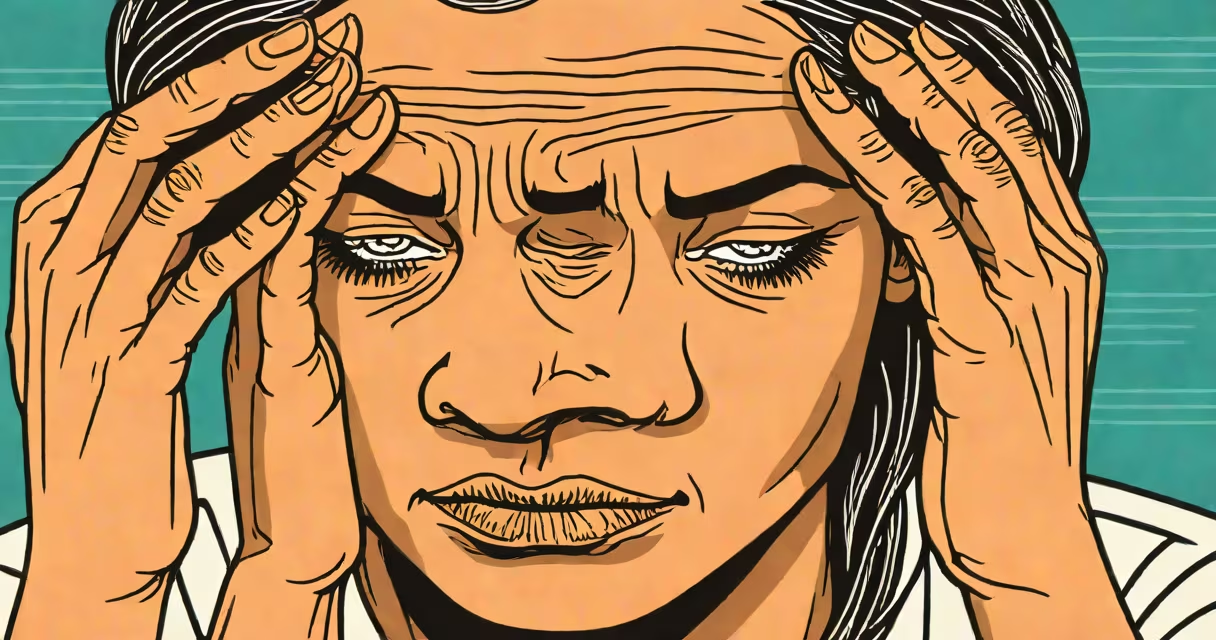
A severe headache and pain behind the eyes is a symptom complex involving intense pressure or throbbing pain centered behind one or both eyes, often accompanied by visual disturbances, nausea, or sensitivity to light. This condition can stem from migraines, sinus infections, or rare neurological disorders such as optic neuritis or increased intracranial pressure.
Headaches localized behind the eyes typically arise from inflammation or pressure affecting nerves, blood vessels, or sinuses in the frontal and ethmoid regions of the skull. The trigeminal nerve, which supplies sensation to the face and eyes, plays a central role in transmitting pain signals from this area. When inflamed or compressed, it can trigger sharp, pulsing, or dull pain that radiates behind the eyes.
Common triggers include dehydration, prolonged screen exposure, abrupt changes in atmospheric pressure, or untreated allergies. In some cases, the pain begins suddenly and worsens rapidly-this pattern raises concern for secondary causes like cluster headaches or even stroke-related phenomena. The American Migraine Foundation notes that 12% of adults in the U.S. experience migraine, many with ocular or retro-orbital pain.
Pain behind the eyes originates in the trigeminal sensory pathway. When stimuli-such as stress, bright lights, or hormonal shifts-activate this nerve, it sends signals to the brainstem and thalamus, where pain perception is processed. In migraine sufferers, cortical spreading depression-a wave of neuronal depolarization-can initiate this cascade, leading to unilateral or bilateral pain behind the eyes.
For sinus-related pain, mucus buildup in the frontal and ethmoid sinuses increases pressure. This pressure compresses nerve endings in the sinus lining, causing a deep, constant ache behind the eyes. Imaging studies show that patients with chronic sinusitis have higher rates of orbital pain compared to controls (Journal of Otolaryngology - Head & Neck Surgery, 2021).
Neurological conditions like optic neuritis-an inflammation of the optic nerve-can cause pain that worsens with eye movement and is often described as "behind the eye." A 2022 study in Neurology found that 76% of patients with optic neuritis reported pain behind the eye, usually with vision loss. This is distinct from typical migraines, which rarely involve permanent vision changes.
The following table outlines key categories of severe headache and pain behind eyes, their distinguishing features, and prevalence.
| Type | Key Features | Prevalence | Source |
|---|---|---|---|
| Migraine with ocular component | Throbbing pain, aura, photophobia, nausea; pain often starts behind one eye and spreads | 12% of U.S. adults | American Migraine Foundation |
| Sinus headache | Dull, pressure-like pain; worsens when bending forward; often with nasal congestion | 10-15% of adult headaches | National Institute on Deafness and Other Communication Disorders |
| Cluster headache | Intense, burning pain around one eye; attacks occur in clusters over weeks; often associated with restlessness | 0.1% of population | The National Headache Foundation |
| Optic neuritis | Pain with eye movement; gradual vision loss; often linked to multiple sclerosis | 5 per 100,000 people annually | Neurology Journal |
One non-obvious distinction: sinus headaches are frequently misdiagnosed. A 2020 review in Frontiers in Neurology found that 70% of patients labeled as having "sinus headaches" actually had migraines. True sinusitis involves purulent discharge, facial swelling, and fever-symptoms absent in most migraine cases.
Severe headache and pain behind eyes becomes a medical emergency when it appears suddenly, reaches peak intensity within minutes, or is accompanied by neurological deficits. Red flags include:
I experienced this firsthand during a trip to Denver. After a rapid ascent to 8,000 feet, I developed a crushing pain behind my left eye, blurred vision, and nausea. Initially dismissed as altitude sickness, imaging revealed a dural venous sinus thrombosis-a rare but serious condition. Prompt treatment prevented permanent damage. This underscores the importance of not assuming all eye-area headaches are benign.
Chronic pain behind both eyes may indicate tension-type headache or refractive error. However, persistent bilateral pain with jaw clenching or teeth grinding suggests temporomandibular joint (TMJ) dysfunction. A 2023 study in Headache showed that 38% of patients with TMJ-related headaches reported pain behind both eyes, often misattributed to migraines.
Many assume that pain behind the eyes always stems from eye strain or screen fatigue. While digital eye strain can cause mild discomfort, it doesn't produce the intense, episodic pain seen in migraines or cluster headaches. Screen use leads to dry eyes, blurred vision, and mild forehead pressure-not stabbing pain behind the eyes.
Another frequent mistake: equating "sinus headache" with actual sinus infection. Most sinus headaches are migraines. True sinusitis requires imaging confirmation and often responds to antibiotics. Using decongestants for migraines offers no benefit and may worsen rebound congestion.
If severe headache and pain behind eyes occurs for the first time, especially with new neurological symptoms, seek evaluation within 24 hours. A neurologist may order MRI or CT scans to rule out structural causes. Blood tests can detect autoimmune markers linked to vasculitis or lupus-related headaches.
For recurring episodes, tracking triggers using a headache diary improves diagnosis accuracy. Common patterns include menstrual cycle timing, dietary factors (aged cheese, alcohol), or weather changes. The Mayo Clinic recommends keeping a log for at least four weeks to identify trends.