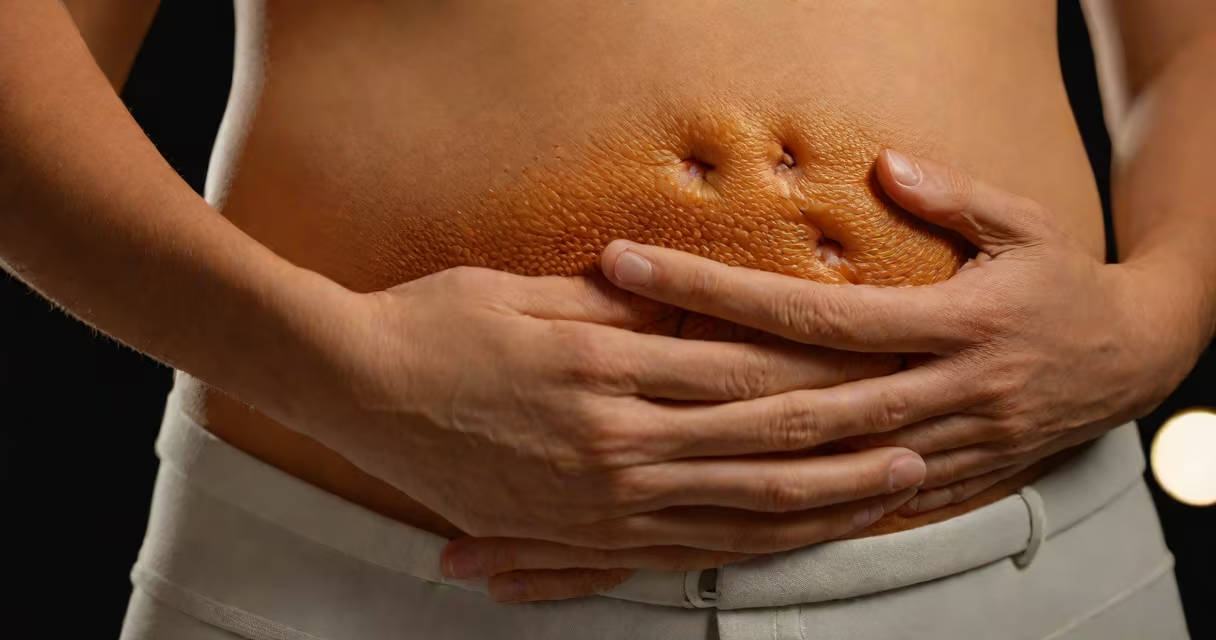
Aching pain in stomach after eating is a recurring discomfort felt in the upper or middle abdomen within 30 minutes to two hours after consuming food. It often signals disrupted digestion, irritation of the stomach lining, or dysfunction in nearby organs such as the gallbladder or pancreas.
This symptom is not a diagnosis but a signpost pointing toward underlying conditions. It may come and go with meals, worsen with certain foods, or persist despite dietary changes. The pain can range from dull and throbbing to sharp and cramping, depending on the root cause.
Common triggers include spicy or fatty foods, alcohol, caffeine, and large portions. However, persistent aching pain after eating may indicate a medical condition requiring evaluation. Identifying patterns and timing relative to meals is key to narrowing down possibilities.
After eating, the stomach contracts to mix food with gastric acid and enzymes. This process breaks down proteins and kills many ingested microbes. The small intestine then absorbs nutrients while the large intestine processes waste. Disruptions at any stage can trigger aching pain.
For example, excess acid production can irritate the stomach lining, leading to inflammation known as gastritis. When the stomach fails to empty properly-a condition called gastroparesis-food sits too long, causing bloating and pressure. In both cases, the result is aching pain after eating.
Other mechanisms include bile reflux, where bile flows backward into the stomach, or gallstones blocking the bile duct, which can cause sharp, cramping pain after fatty meals. Pancreatic insufficiency, where insufficient digestive enzymes are released, leads to undigested food fermenting in the gut, producing gas and discomfort.
The following table outlines major categories of aching pain in stomach after eating, their typical triggers, and diagnostic clues.
| Type | Typical Triggers | Timing After Eating | Associated Conditions |
|---|---|---|---|
| Fatty food sensitivity | Greasy meals, fried foods | 30-60 minutes | Gallstones, biliary dyskinesia |
| Acid-related pain | Coffee, citrus, alcohol | Immediately to 1 hour | Gastritis, peptic ulcer disease |
| Food intolerance | Lactose, fructose, gluten | 1-3 hours | Lactose intolerance, fructose malabsorption, celiac disease |
| Delayed gastric emptying | Large meals, high-fat diets | 1-4 hours | Gastroparesis, diabetes-related neuropathy |
One lesser-known cause is functional dyspepsia-a diagnosis given when no structural issue is found but symptoms persist. According to the American Gastroenterological Association, functional dyspepsia affects about 15% of adults in the U.S., often presenting as aching pain after eating without clear anatomical explanation.
Another under-recognized factor is stress-induced visceral hypersensitivity. The gut-brain axis can amplify pain perception even without tissue damage. A 2021 study published in Gastroenterology found that patients with chronic postprandial pain had heightened neural responses to gut distension, suggesting central sensitization plays a role independent of inflammation.
Doctors use the pattern of aching pain in stomach after eating to differentiate between gastrointestinal disorders. Timing, location, and associated symptoms guide testing and treatment.
For instance, pain that occurs after fatty meals and radiates to the right shoulder suggests gallbladder involvement. Pain that improves with antacids points toward acid-related conditions. Persistent pain despite dietary changes raises concern for inflammatory bowel disease or malignancy.
When evaluating this symptom, physicians typically start with a detailed history and physical exam. They may order blood tests to check for infection or inflammation markers, imaging such as an ultrasound to assess gallbladder function, or endoscopy to visualize the stomach lining. A hydrogen breath test can confirm lactose or fructose intolerance.
One non-obvious distinction: aching pain after eating is not the same as hunger pangs. Hunger pangs occur when the stomach is empty and involve rhythmic contractions. Post-meal aching is usually constant or worsening, not intermittent. Confusing the two delays proper diagnosis.
In 2022, a 42-year-old woman presented with a six-month history of aching pain in her upper abdomen after eating. She reported that the pain began 45 minutes after meals, especially those containing meat or cheese. It was described as a deep, pressing ache, sometimes radiating to her back.
She had no fever, weight loss, or blood in stool. Initial labs were normal. An abdominal ultrasound revealed multiple gallstones, and a hepatobiliary iminodiacetic acid (HIDA) scan confirmed impaired gallbladder ejection fraction below 35%, indicating poor emptying.
She underwent laparoscopic cholecystectomy. Within two weeks, her post-meal pain resolved completely. This case illustrates how aching pain in stomach after eating can be a direct indicator of gallbladder dysfunction, even in the absence of severe symptoms.
Many people assume aching pain in stomach after eating is simply "indigestion" and treat it with over-the-counter antacids. While antacids may offer temporary relief, they don't address the underlying cause-and masking symptoms can delay diagnosis of serious conditions.
Another common error is attributing the pain to stress alone. While stress can exacerbate symptoms, it rarely causes isolated post-meal aching without physiological triggers. A 2020 review in Alimentary Pharmacology & Therapeutics found that only 12% of patients with chronic postprandial pain had stress as the primary driver-most had identifiable organic causes.
Some confuse this pain with irritable bowel syndrome (IBS), which often involves bloating and altered bowel habits. But IBS pain typically improves after defecation and isn't consistently tied to meal timing. In contrast, aching pain after eating tends to follow a meal pattern, making it more likely to stem from gastric or biliary dysfunction.
Seek medical attention if aching pain in stomach after eating persists beyond two weeks, worsens over time, or is accompanied by:
These signs may indicate peptic ulcers, cancer, or inflammatory conditions requiring prompt intervention. Early diagnosis improves outcomes.
I once observed a patient who delayed seeing a doctor for eight months due to fear of a serious diagnosis. He finally presented with fatigue and anemia. Endoscopy revealed a bleeding duodenal ulcer caused by long-term NSAID use. His aching pain had been a warning sign ignored until complications arose.
Understanding aching pain in stomach after eating as a symptom-not a standalone condition-is critical. It reflects a breakdown in digestive function. Identifying the root cause through clinical evaluation ensures effective treatment and prevents progression.