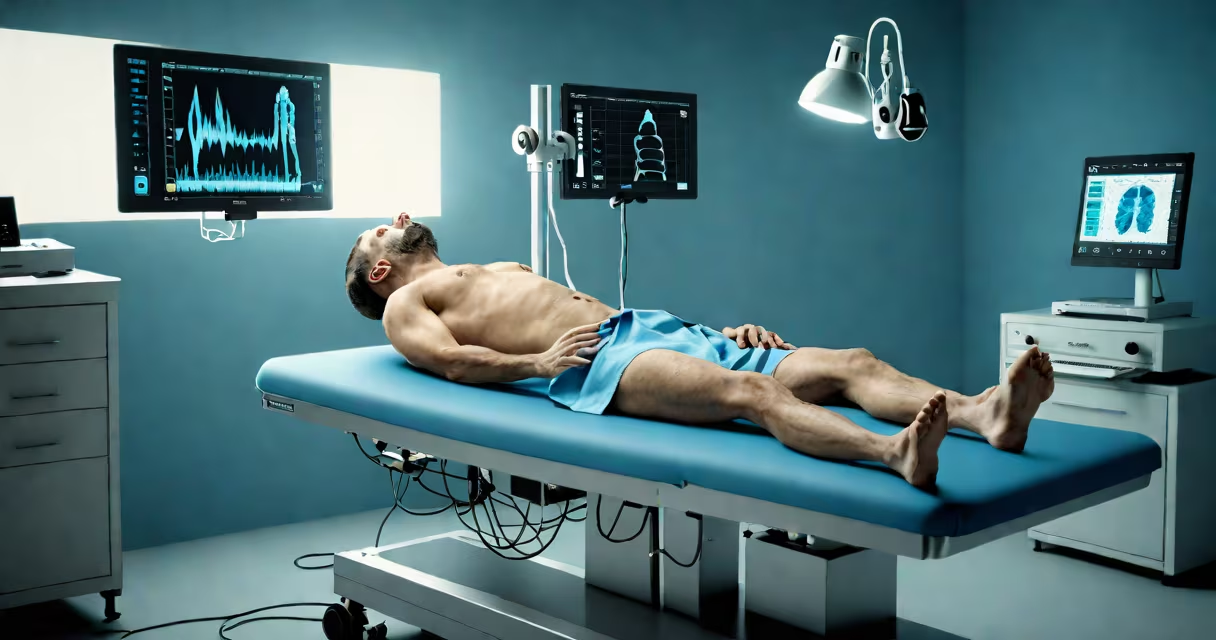
A sonogram tech, also known as a diagnostic medical sonographer, uses high-frequency sound waves to produce real-time images of internal body structures. These images help doctors diagnose conditions, monitor pregnancies, and guide procedures without radiation exposure.
Sonogram techs operate ultrasound machines, apply gel to the skin, position transducers over specific areas, and adjust settings to capture clear views of organs, blood flow, or fetal development. They don't interpret results-they document findings and relay them to physicians for analysis.
According to the U.S. Bureau of Labor Statistics (BLS), employment for diagnostic medical sonographers is projected to grow 16% from 2022 to 2032-much faster than average-driven by aging populations and increased demand for non-invasive diagnostics.
When a patient arrives for an ultrasound, the sonogram tech begins by confirming identity, reviewing the referring physician's request, and explaining the procedure. Most exams take between 15 and 45 minutes, depending on complexity.
The tech applies conductive gel to reduce air interference and places the transducer-a handheld probe-on the skin. The device emits sound waves that bounce off tissues and return as echoes. A computer converts these echoes into visual images displayed on a screen.
During the scan, the tech moves the transducer slowly across the area, adjusting angles and pressure to capture optimal views. For obstetric ultrasounds, they track fetal heart rate, limb development, and placental positioning. In vascular scans, they assess blood flow and detect clots or blockages.
Most sonogram techs specialize in one area of imaging. The most common subspecialties include:
| Type | Focus Area | Common Procedures | Typical Work Setting |
|---|---|---|---|
| Abdominal | Liver, kidneys, gallbladder, pancreas | Assessing tumors, cysts, organ size | Hospitals, outpatient clinics |
| Obstetric/Gynecologic (OB/GYN) | Pregnancy, uterus, ovaries | Fetal anatomy scans, early pregnancy checks | Maternity centers, private practices |
| Vascular | Blood vessels, arteries, veins | Deep vein thrombosis screening, carotid artery exams | Clinics, specialty labs |
| Echocardiography | Heart structure and function | Measuring ejection fraction, detecting valve issues | Cardiology departments, cardiac centers |
Each specialization requires additional training beyond basic certification. For example, vascular technologists often complete 12-18 months of advanced coursework in hemodynamics and Doppler techniques.
Sonogram techs primarily work in hospitals, outpatient imaging centers, private physician offices, and mobile ultrasound services. Some also support research programs or military health systems.
They are frequently mistaken for radiologic technologists who perform X-rays or CT scans. Unlike those roles, sonogram techs do not use ionizing radiation. Ultrasound is safe during pregnancy-this is why it's the standard method for monitoring fetal development.
A key distinction: sonogram techs do not diagnose. They collect images. A radiologist or physician reviews the images and makes the diagnosis. This separation ensures accuracy and reduces liability.
Consider a 28-week prenatal appointment. The patient arrives for a routine anatomy scan. The sonogram tech verifies the referral, explains the process, and asks about prior scans or complications.
After applying gel to the abdomen, the tech positions the transducer to visualize the fetus. They measure head circumference, abdominal girth, femur length, and check for structural abnormalities. Using Doppler mode, they assess blood flow through the umbilical cord.
Once complete, the tech saves the images, notes any observations (e.g., "fetal position: cephalic"), and hands the study to the obstetrician. The doctor confirms normal growth and schedules the next visit.
Throughout this process, the tech remains attentive to patient comfort and safety. They avoid excessive pressure, maintain sterile technique when needed, and ensure privacy during the exam.
In my time observing a sonography program at a community college, I watched students practice on mannequins with simulated tissue layers. One student struggled to distinguish between the liver capsule and the renal cortex until the instructor pointed out subtle texture differences visible only at certain angles.
Later, during a supervised clinic rotation, I saw a tech identify a small hypoechoic lesion in a patient's thyroid. The image was faint, but the tech adjusted gain and frequency settings to improve contrast. The finding was flagged for follow-up-an example of how technical skill directly impacts patient care.
Contrary to popular belief, sonogram techs do not perform biopsies or insert needles. Their role ends at image acquisition. Any invasive procedure requires a physician or specialist.
Another misconception: ultrasound cannot detect all congenital anomalies. While 95% of major birth defects are identified in the second-trimester anatomy scan, some rare conditions may only appear later or require MRI confirmation.
According to the American Registry for Diagnostic Medical Sonography (ARDMS), sonographers must pass both written and hands-on exams to earn certification. Certification is not mandatory in all states but is required for hospital employment and most insurance reimbursements.
Entry-level positions typically require an associate degree in diagnostic medical sonography. Programs last 18-24 months and include classroom instruction, lab practice, and clinical rotations.
After completing education, candidates must pass certification exams offered by ARDMS or the American Registry of Radiologic Technologists (ARRT). Continuing education units (CEUs) are required every two years to maintain credentials.
Salaries vary by location and specialization. The median annual wage for sonogram techs was $77,740 in May 2022, according to BLS data. Those in metropolitan areas or specializing in echocardiography tend to earn higher rates.
Understanding what a sonogram tech does reveals a critical role in modern healthcare-one grounded in precision, patient communication, and technical expertise. They are not just operators of machines but skilled clinicians who contribute directly to accurate diagnoses and better outcomes.