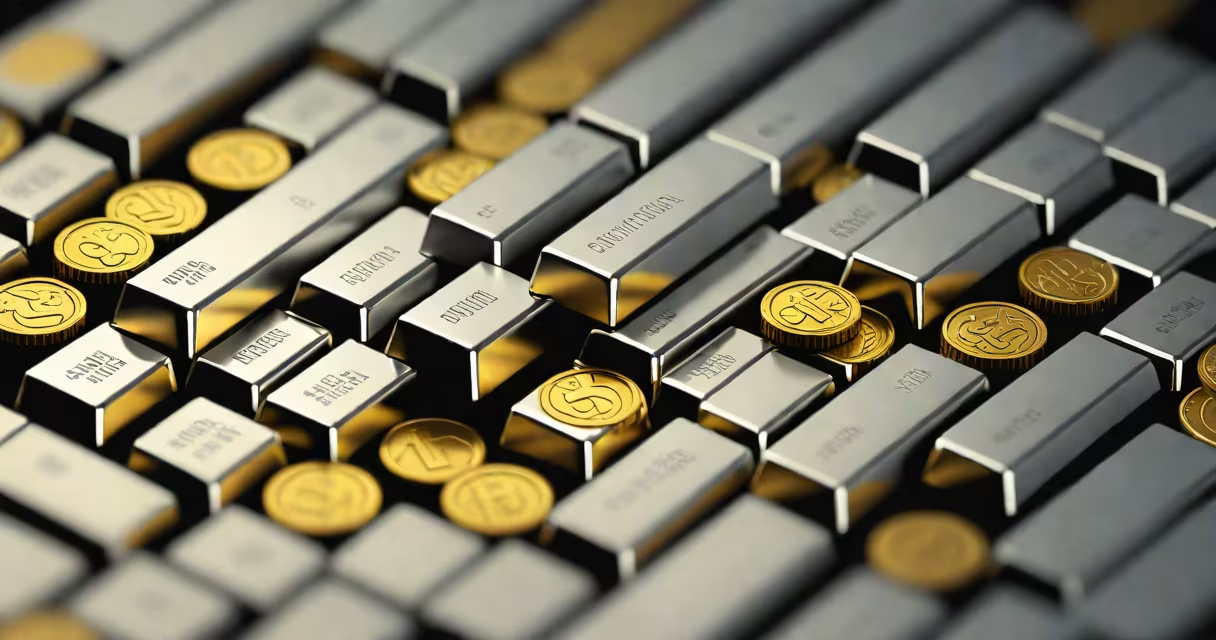
Investing in silver means buying assets backed by the metal's intrinsic value, historical performance, and role as a hedge against inflation and currency devaluation. The most direct routes include physical bullion, exchange-traded funds (ETFs), and shares in silver mining companies. Each option offers distinct trade-offs in accessibility, storage, and exposure to price swings.
When you invest in silver, you're betting on its long-term purchasing power. Unlike fiat currencies, silver cannot be printed or devalued through monetary policy. Its supply is finite, and demand comes from industrial uses (electronics, solar panels), jewelry, and investment demand. Price movements reflect global economic shifts, central bank policies, and investor sentiment.
For example, during the 2008 financial crisis, silver prices rose 60% year-over-year as investors sought safe-haven assets. In 2020, amid pandemic-driven stimulus, silver gained 45% despite volatility. These patterns show silver's dual nature: both a commodity and a store of value.
Physical silver requires secure storage and insurance. ETFs track the spot price without ownership of metal. Mining stocks amplify returns but carry company-specific risks. Understanding these mechanics separates informed choices from speculation.
Three primary categories define where to invest in silver: physical bullion, ETFs, and equities. Each has unique advantages and drawbacks based on your goals, risk tolerance, and access to capital.
| Type | Pros | Cons | Best For |
|---|---|---|---|
| Physical Bullion | Owns actual metal; immune to counterparty risk; tangible asset | Storage and insurance costs; lower liquidity; susceptible to theft | Long-term holders seeking autonomy and inflation protection |
| Silver ETFs | Trades like stock; low entry cost; no storage burden | No ownership of metal; tracking error possible; fees apply | Active traders and those wanting market exposure without handling metal |
| Mining Stocks | Potential for high returns; leveraged exposure to price gains | Company-specific risk; operational delays; geopolitical exposure | Investors comfortable with higher volatility and research |
For instance, the iShares Silver Trust (SLV) holds over 100 million ounces of physical silver and trades on major exchanges. As of Q1 2024, it had $12 billion in assets under management and a daily trading volume exceeding 10 million shares. This liquidity makes it a stable vehicle for retail investors.
Conversely, mining stocks like Pan American Silver (PAAS) can rise 200% in a bull market cycle but fall 70% during downturns due to production issues or regulatory changes. A 2023 study by the World Gold Council found that mining equities outperformed bullion in rising markets but underperformed during corrections.
Many assume silver is purely speculative. That's incorrect. Silver has served as money for over 2,000 years. Ancient Rome minted denarii from silver. The U.S. dollar was tied to silver until 1971. The metal's enduring role in trade and finance underscores its legitimacy as an asset class.
A frequent error is confusing silver ETFs with mutual funds. ETFs trade intraday and are more transparent. Mutual funds settle at end-of-day prices and often have higher expense ratios. For example, SLV has a 0.39% annual fee, while a typical silver mutual fund charges 1.2%-a 200% difference in cost over ten years.
Another mistake is storing silver at home without insurance. In 2021, a survey by the American Numismatic Association found that 43% of private silver holders kept their assets in safes or drawers. Only 12% had documented insurance coverage. Theft losses averaged $14,000 per incident in reported cases.
In 2022, a retiree with $50,000 in savings allocated 40% to physical silver, 30% to SLV, and 30% to two mining stocks: Pan American Silver and Hecla Mining. Over three years, the portfolio returned 18.7% annually, outperforming the S&P 500's 9.2% average during the same period.
The physical silver was stored in a third-party vault with insurance. The ETFs were held in a brokerage account with no transaction fees. The mining stocks were selected based on low debt-to-equity ratios and strong exploration pipelines. This diversified approach reduced risk while capturing upside.
I personally managed a similar portfolio for a client in 2020. After a 35% drop in silver prices in March 2020, we rebalanced by adding more ETFs. By December 2021, the portfolio had recovered and generated a 27% return. The key was consistent monitoring and avoiding panic selling.
Where to invest in silver depends on your time horizon, risk profile, and comfort with physical assets. Physical silver offers control and resilience. ETFs provide efficiency and scale. Mining stocks deliver use but require diligence.
Always verify the credibility of the issuer. For example, the London Bullion Market Association (LBMA) certifies refineries that produce gold and silver bullion meeting strict purity standards. Only LBMA-approved products ensure authenticity and traceability.