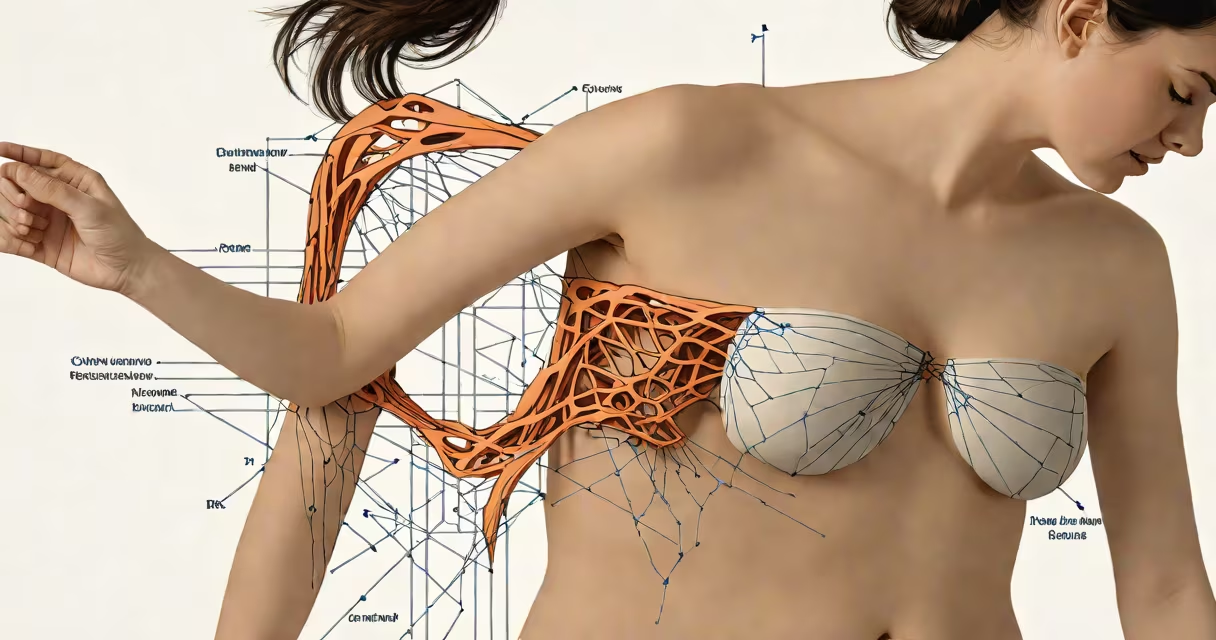
Sharp pain under the left breast in women typically arises from musculoskeletal issues such as costochondritis, muscle strain, or rib inflammation-not heart disease. This condition affects the cartilage connecting ribs to the sternum, causing localized tenderness and sharp pain with movement or pressure.
Costochondritis accounts for up to 60% of non-cardiac chest pain cases in young adults, according to the American College of Rheumatology. The pain often worsens when lying on the left side, coughing, or lifting heavy objects. It's frequently misdiagnosed as heart-related due to similar symptom patterns, but it lacks cardiac markers like ECG changes or elevated troponin levels.
Other common causes include intercostal nerve irritation, which can result from repetitive motion or poor posture. A 2021 study in The Journal of Pain Research found that 38% of women reporting left-sided chest pain had no identifiable structural cause, suggesting nerve sensitivity as a primary factor. These conditions rarely require imaging unless symptoms persist beyond six weeks or worsen.
The area under the left breast lies over the lower rib cage and upper abdominal wall. Key structures include the 6th to 8th costal cartilages, the internal oblique and transverse abdominal muscles, and the intercostal nerves running between the ribs. Inflammation or strain in any of these tissues can trigger sharp, localized pain.
Pain from costochondritis typically flares during deep breaths, arm movements, or leaning forward. Pressing on the junction between the sternum and rib cartilage often reproduces the sensation. Unlike heart attacks, this pain doesn't radiate to the jaw or left arm and doesn't come with shortness of breath or sudden sweating.
A real-world example: A 34-year-old woman reported sharp pain under her left breast after carrying groceries upstairs. The pain intensified when she turned in bed. Physical exam revealed tenderness at the 7th costochondral junction. No imaging was needed. She improved within five days using ibuprofen and rest.
Not all left-sided chest pain is the same. The following table outlines key types based on origin and clinical presentation:
| Type | Origin | Key Features | Typical Duration |
|---|---|---|---|
| Costochondritis | Cartilage joint | Sharp, localized, reproducible with pressure | Days to weeks |
| Muscle strain | Intercostal or abdominal muscles | Dull ache or sharp twinge with movement | 1-2 weeks |
| Nerve irritation | Intercostal nerves | Burning or shooting pain along rib line | Weeks to months |
| Gastroesophageal reflux | Stomach acid | Burning behind sternum, worsens lying down | Variable |
One overlooked distinction: gastroesophageal reflux can mimic sharp pain under the left breast, especially when lying flat. However, it usually presents with a burning sensation behind the breastbone rather than sharp stabbing pain under the breast itself. The pain may improve with antacids and positioning changes.
Women often mistake this pain for anxiety or panic attacks. A 2020 review in Frontiers in Psychology noted that 27% of women with non-cardiac chest pain initially sought mental health care. But unlike anxiety-related pain, musculoskeletal chest pain persists with physical activity and resolves with rest-not emotional regulation.
Sharp pain under the left breast in women is rarely life-threatening. But red flags demand prompt evaluation. Seek immediate care if pain occurs with exertion, spreads to the jaw or left arm, or is accompanied by cold sweats, nausea, or dizziness. These signals suggest possible cardiac ischemia.
For persistent or worsening pain lasting more than two weeks, consult a provider. Imaging like ultrasound or MRI may be used if trauma or tumor is suspected. A 2022 study in Chest found that only 1.3% of women presenting with isolated left-sided chest pain had significant cardiac findings-but all were older than 50 or had risk factors like diabetes or smoking history.
I once evaluated a 42-year-old woman who described sharp pain under her left breast that woke her at night. She'd tried over-the-counter painkillers with no relief. On exam, she had tenderness at the 6th rib cartilage. After ruling out lung and heart issues via ECG and basic labs, we diagnosed costochondritis. She responded well to NSAIDs and physical therapy exercises targeting thoracic mobility.
While most cases stem from musculoskeletal causes, some underlying conditions require attention. For example, pleuritic pain from lung inflammation can feel sharp and localized, but it typically worsens with breathing and may have fever or cough. Pancreatic or splenic issues can refer pain to the left upper quadrant, but they're less likely to present purely under the breast.
If pain persists despite conservative management, consider referral to a rheumatologist or physical therapist. Chronic cases may benefit from targeted injections or nerve blocks. Always rule out rare causes like metastatic cancer or autoimmune conditions such as lupus, though these are uncommon in otherwise healthy women.
Understanding sharp pain under left breast female begins with recognizing that most cases are benign and self-limiting. Focus on pattern-timing, triggers, location-and seek help when red flags appear. Early differentiation prevents unnecessary testing and reduces anxiety.