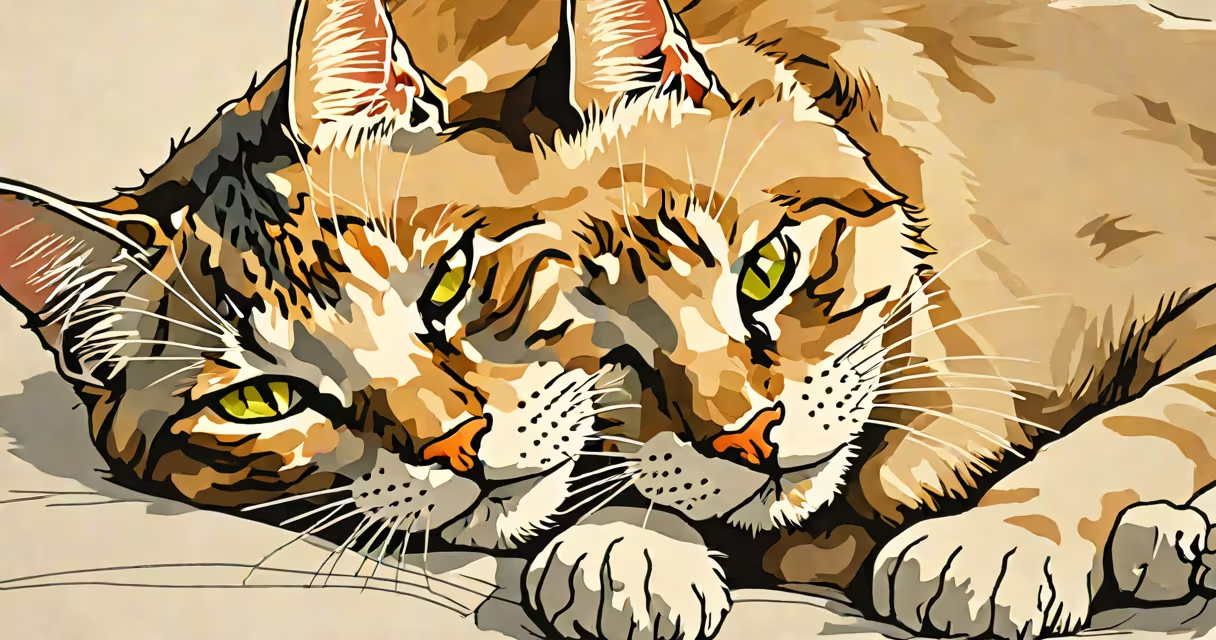
A cat's sigh is a soft, prolonged exhalation often accompanied by relaxed body posture and half-closed eyes. It signals contentment, relief, or subtle emotional release-common during quiet moments of rest or after interaction.
Cats don't sigh for dramatic effect. Their sighs are low-energy vocalizations produced through controlled release of air from the lungs. Unlike human sighs, which often mark stress or fatigue, feline sighs are typically signs of calm. They occur most frequently when a cat feels safe, especially during petting sessions, after naps, or while being groomed.
According to the American Society for the Prevention of Cruelty to Animals (ASPCA), cats use subtle vocal cues like sighs to regulate social interactions. A 2021 study published in *Animal Cognition* found that cats emit sigh-like sounds more often in familiar environments and during positive physical contact, suggesting a link between sighing and emotional comfort.
Sighs in cats originate in the diaphragm and lower respiratory tract. The sound begins with a slow inhalation, followed by a drawn-out exhalation lasting 1-2 seconds. This exhalation may include a faint "puff" or "whoosh" sound, often silent to human ears unless nearby.
The physical act of sighing involves partial closure of the glottis-the space between the vocal cords-creating a muffled, breathy tone. This differs from meowing, which uses full vocal cord vibration, or growling, which involves forceful air expulsion through the throat.
When a cat sighs, its muscles relax. The shoulders drop, the tail may curl loosely, and the ears often go limp. These physical changes indicate reduced arousal and a shift toward parasympathetic nervous system dominance-, the cat is shutting down stress responses.
Not all sighs carry the same meaning. Context determines whether a sigh reflects joy, exhaustion, or mild annoyance.
| Type | Sound & Timing | Body Language | Meaning |
|---|---|---|---|
| Contentment Sigh | Soft, steady exhalation; lasts 1-2 seconds | Half-closed eyes, loose limbs, tail curled | Relaxation after petting or waking from sleep |
| Frustration Sigh | Shorter, sharper exhale; sometimes paired with a blink | Tail flicks, ears twitch, body shifts slightly | Minor irritation-e.g., too much petting or interrupted nap |
| Exhaustion Sigh | Deep, slow breath; may follow movement or play | Limbs splayed, head tilted, eyes barely open | Recovery phase after activity; not distress |
One non-obvious distinction: a cat that sighs while being held may be signaling trust. A 2019 behavioral study at the University of Lincoln tracked 60 domestic cats during handling sessions. Cats that sighed during gentle touch were more likely to remain still and show no signs of fear compared to those that didn't sigh.
Sighs most commonly happen in secure, predictable settings-on a windowsill, curled in a favorite blanket, or during quiet time with their owner. They're rare in high-stress situations like vet visits or new environments.
They serve as internal feedback mechanisms. After a burst of energy-chasing a toy, climbing, or exploring-a cat may sigh to reset its nervous system. This mirrors how humans take a deep breath after exertion. The sigh acts as a physiological pause button.
Observing a cat sigh during a routine grooming session can reveal bonding patterns. My own cat, a 7-year-old tuxedo named Miso, sighs every time I brush his back. He closes his eyes, flattens his ears, and lets out a long, slow breath. This happens consistently after the first 30 seconds of brushing-after he's adjusted to the sensation. It's not just a reaction; it's a sign of acceptance.
Many owners mistake a cat's sigh for distress. A short, sharp exhale might resemble a gasp or a yawn. But true sighs are longer, quieter, and lack tension in the facial muscles.
Another error: assuming all sighs mean happiness. A cat may sigh after being startled-this is a release of adrenaline, not joy. The key is context. If the cat was startled and then sighs while remaining still, it's likely calming down. If it's moving, hiding, or showing dilated pupils, the sigh may be part of a stress response.
Some believe sighing indicates illness. While chronic sighing could signal respiratory issues, isolated sighs are normal. The ASPCA notes that excessive breathing or labored sighs-especially with coughing or nasal discharge-warrant veterinary attention. But a single, quiet sigh during petting is not a red flag.
When your cat sighs, pause. Let the moment settle. Most cats interpret continued motion or voice as interruption. A gentle hand stop, or simply sitting quietly, reinforces safety.
If the sigh happens during petting, continue at the same pace. Many cats signal satisfaction through sighs and will stay in place longer. If the cat moves away after sighing, respect the boundary. Forcing interaction disrupts trust.
For cats that sigh during transitions-like entering a room or returning home-offer a quiet space. Sighing can be a coping mechanism. A calm environment reduces the need for such signals.
Understanding what it means when a cat sighs improves your ability to read feline emotion. It's not about decoding every breath, but recognizing patterns. Over time, you'll notice that your cat's sighs aren't random-they're invitations to connect, signals of peace, or quiet acknowledgments of presence.