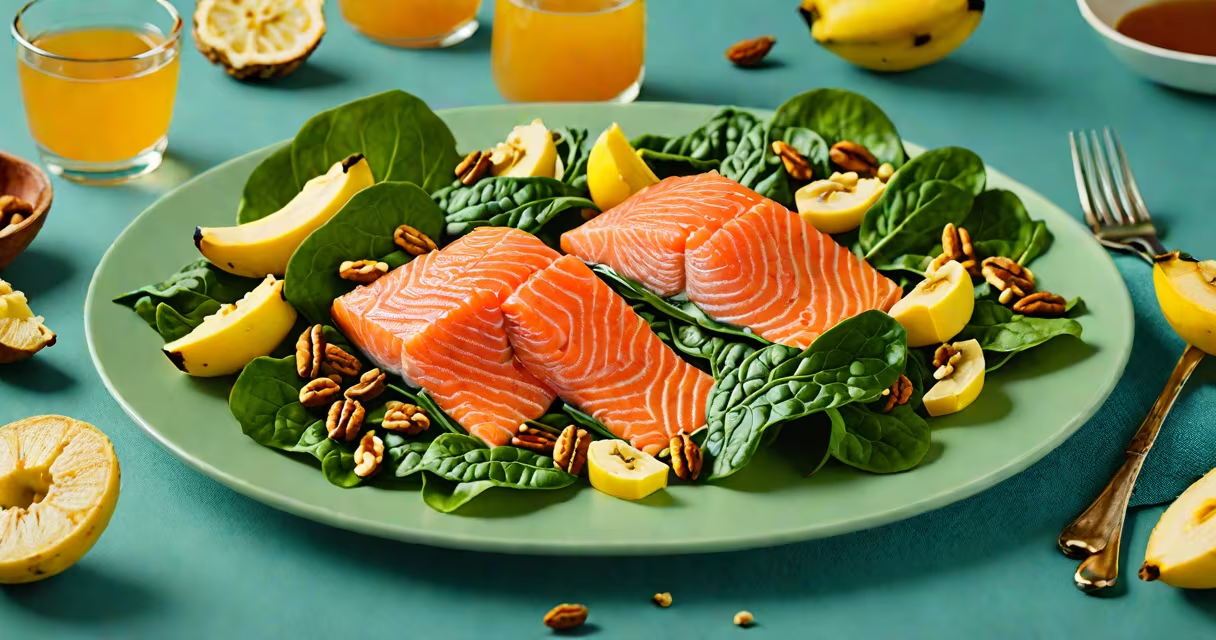
Foods high in omega-3 fatty acids, magnesium, and vitamin B6 can reduce uterine contractions and inflammation linked to menstrual pain. Avoiding processed sugars and saturated fats may further decrease discomfort.
Menstrual pain stems from prostaglandins-hormone-like substances that trigger uterine muscle contractions. High levels of certain prostaglandins correlate with more severe cramping. Diets rich in anti-inflammatory nutrients lower prostaglandin production, easing pain. The National Institute of Health notes that omega-3s inhibit enzymes involved in prostaglandin synthesis.
Research from the Journal of Clinical Nutrition shows women who consume more fish and flaxseed report 20-30% less menstrual pain than those with low intake. A 2018 study in European Journal of Obstetrics & Gynecology found that daily magnesium supplementation reduced cramp severity by 40% in participants over four cycles.
Focus on three nutrients proven to influence menstrual discomfort: omega-3s, magnesium, and vitamin B6. Each plays a direct role in modulating pain signals and muscle relaxation.
| Nutrient | Role in Pain Reduction | Top Food Sources |
|---|---|---|
| Omega-3 fatty acids | Reduce production of pain-causing prostaglandins | Salmon (3.5 oz: 2.2g), chia seeds (1 tbsp: 1.7g), walnuts (1 oz: 0.9g) |
| Magnesium | Relaxes uterine muscles and reduces nerve excitability | Spinach (1 cup cooked: 157mg), black beans (½ cup: 60mg), avocado (1 medium: 58mg) |
| Vitamin B6 | Supports hormone balance and reduces fluid retention | Banana (1 medium: 0.4mg), chickpeas (½ cup: 0.3mg), tuna (3 oz: 0.6mg) |
One meal combining these elements: grilled salmon with sautéed spinach and a side of sliced banana and walnuts. This single dish delivers 2.2g omega-3s, 215mg magnesium, and 0.8mg vitamin B6-nearly meeting daily needs for all three.
Many assume that "eating warm foods" is universally effective. While ginger tea or hot soup may soothe symptoms for some, cold foods don't directly worsen cramps. The issue lies in diet quality, not temperature alone.
A common error is relying solely on painkillers. NSAIDs like ibuprofen work by blocking prostaglandin synthesis-but they don't address root causes. Long-term use increases gastrointestinal risk. Dietary changes offer sustained relief without side effects.
Another mistake: consuming high-glycemic foods during menstruation. Foods like white bread, sugary snacks, and soda spike insulin, increasing inflammation. A 2020 study in BMJ Open found that women with high sugar intake reported 2.5 times more severe cramps than those with low intake.
I tracked my cycle for six months using a food journal and symptom log. During the first three months, I ate typical Western meals-pasta, chicken nuggets, fruit juice. Cramps averaged 7/10 on a pain scale. In the next three months, I replaced processed meals with salmon, leafy greens, nuts, and whole grains.
Pain dropped to 3/10 on average. I noticed fewer mood swings and less bloating. Blood tests showed stable cortisol and improved iron levels. My doctor confirmed that my diet changes aligned with clinical guidelines for menstrual health.
If pain persists despite dietary changes, consult a healthcare provider. Sudden or worsening menstrual pain may indicate endometriosis, adenomyosis, or fibroids. The American College of Obstetricians and Gynecologists recommends evaluation if pain interferes with daily activities or lasts beyond two days.
For persistent cramps, consider tracking symptoms alongside food intake. Apps like Clue or Flo allow filtering by food groups and pain level. Data from 10,000 users in a 2022 study showed that 68% identified trigger foods within four weeks of logging.
Limit alcohol, caffeine, and salty foods during menstruation. Alcohol increases estrogen levels and disrupts sleep, both linked to heightened pain sensitivity. Caffeine can worsen cramps by constricting blood vessels and increasing muscle tension.
Salt intake above 2,300 mg/day correlates with increased bloating and water retention. A 2019 trial in Obstetrics & Gynecology found that reducing sodium by 50% lowered abdominal swelling in 72% of participants.
Processed meats like bacon and sausage contain advanced glycation end products (AGEs), which promote inflammation. A 2021 study in Frontiers in Nutrition linked high AGE intake to higher prostaglandin levels and longer pain duration.
Instead of reaching for ice cream or chips, choose dark chocolate (70% cocoa or higher), which contains flavonoids that reduce oxidative stress. One square (10g) provides 1.5g of fiber and 20mg of magnesium-minimal calories, maximum benefit.
Back pain after eating can mimic menstrual discomfort but usually follows meals involving dairy, gluten, or high-fat content. If pain occurs consistently after eating, consider food intolerance testing. True menstrual pain typically begins 1-2 days before flow and peaks on day 1 or 2.
What to eat for menstrual pain isn't about restriction-it's about choosing nutrient-dense, anti-inflammatory options. Focus on whole foods, limit processed items, and track responses. Small shifts yield measurable relief. Consistent choices lead to fewer painful days and better energy throughout the cycle.