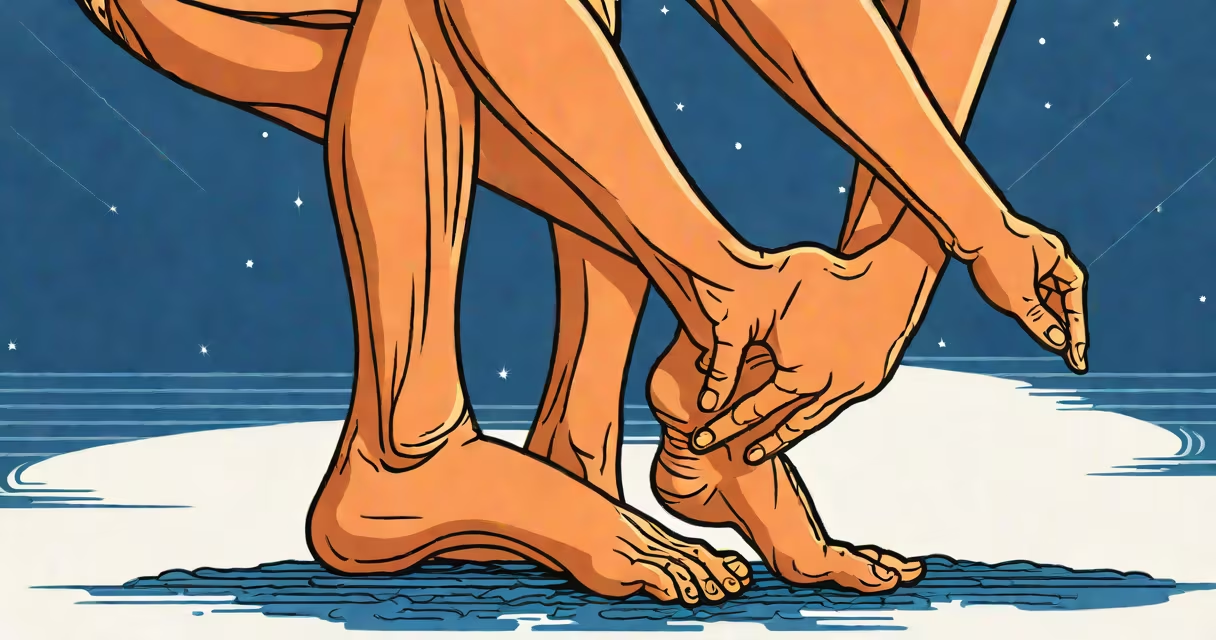
Cramps are sudden, involuntary muscle contractions that often cause sharp pain. They typically signal dehydration, electrolyte imbalance, overuse, or an underlying medical condition.
When muscles contract unexpectedly and won't relax, the result is a cramp. These episodes most commonly affect the legs-especially calves-but can occur in arms, feet, or the abdomen. The sensation ranges from mild discomfort to severe pain that may last seconds to minutes.
While occasional cramps are normal, frequent or persistent ones may indicate a deeper issue. The body uses cramping as a warning system: it's not just a nuisance-it's a signal.
Cramps happen when nerve signals to a muscle go haywire. Normally, nerves send balanced signals to contract and relax muscle fibers. When this balance breaks-due to fatigue, dehydration, or nerve irritation-the muscle contracts uncontrollably and stays locked in place.
Electromyography (EMG) studies show that cramping involves sustained motor neuron firing. This means the brain's signal to contract doesn't stop until the muscle is either exhausted or the nerve resets. That's why stretching or massaging the area often helps-it disrupts the abnormal signal.
A 2017 study published in Neurology found that people with chronic leg cramps had higher baseline muscle excitability compared to those without them. This suggests some individuals have a neurological predisposition to cramping, even without obvious triggers.
Cramps vary by location and cause. The most common types include:
| Type | Common Cause | Typical Setting |
|---|---|---|
| Nocturnal cramps | Dehydration, low potassium or magnesium | During sleep, especially in older adults |
| Exercise-associated cramps | Overuse, sweat loss, poor conditioning | After running, cycling, or weightlifting |
| Pregnancy-related cramps | Increased pressure on nerves, fluid shifts | Second and third trimesters |
| Medication-induced cramps | Statins, diuretics, beta-blockers | Long-term use of prescription drugs |
For example, a runner who trains in hot weather without replacing lost fluids may develop cramps after 60 minutes of running. Sweat contains sodium, potassium, and chloride. Losing too much through sweat without replenishing leads to electrolyte imbalance-directly triggering cramping.
Another example: a pregnant woman in her third trimester reports nightly calf cramps. Her doctor confirms no deficiency but notes that the growing uterus compresses the sciatic nerve. This mechanical pressure alters nerve signaling, causing cramps during rest.
Many assume cramps are always due to "low calcium." This is a widespread myth. While calcium plays a role in muscle contraction, research shows that deficiencies in potassium, magnesium, and sodium are more strongly linked to cramping.
The National Institutes of Health (NIH) states that calcium levels rarely drop low enough to cause cramps in healthy individuals. Instead, studies show that low serum magnesium correlates with increased cramp frequency in older adults.
Another misconception: cramps always mean you're dehydrated. Not true. Dehydration contributes, but cramps can occur even with adequate fluid intake if electrolytes are unbalanced. A 2020 review in Journal of Sports Science & Medicine found that athletes who drank water but didn't consume electrolytes still experienced cramps during endurance events.
Occasional cramps are normal. But if they happen more than once a week, last longer than 10 minutes, or recur despite hydration and stretching, consult a healthcare provider.
Red flags include:
I once treated a 68-year-old man whose nightly leg cramps worsened over months. He'd tried drinking more water and taking magnesium supplements. His symptoms persisted. Blood tests revealed low potassium and early-stage kidney dysfunction. Correcting his electrolyte levels and adjusting medication stopped the cramps entirely.
Chronic cramping can be a symptom of conditions like peripheral neuropathy, restless leg syndrome, or even early-stage diabetes. The American Academy of Neurology recommends evaluating persistent cramps with blood tests and nerve conduction studies if needed.
Simple steps reduce cramp risk:
For nocturnal cramps, try a light calf stretch before bed. Sit on the edge of the bed, extend your leg, and pull your toes toward your nose. Hold for 15 seconds. Repeat twice.
If cramps persist despite lifestyle changes, see a doctor. They may recommend blood work, nerve testing, or medication adjustments.
Understanding what is cramp a sign of helps distinguish normal muscle reactions from signs of a treatable condition. Most cramps are harmless and preventable. But recurring or severe episodes require attention.
Recognizing the difference between a temporary spasm and a symptom of an underlying issue can prevent unnecessary discomfort and catch health problems early. If you're unsure, don't ignore persistent cramps-get checked.