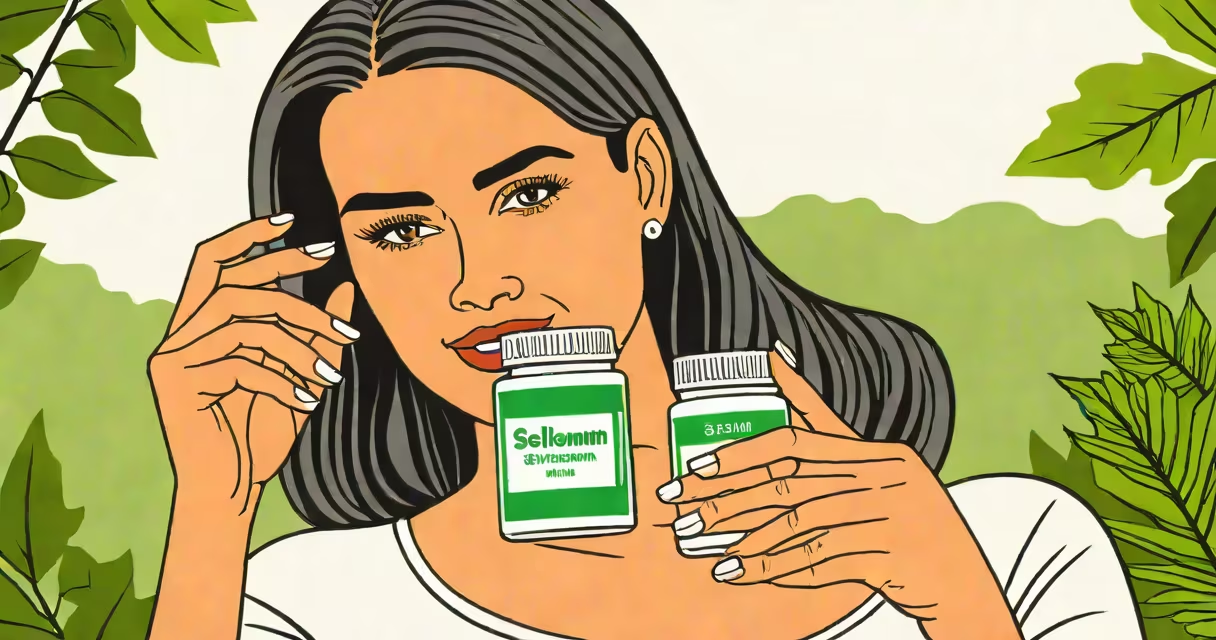
Selenium for hair fall refers to the use of selenium, a trace mineral essential for thyroid function and antioxidant defense, to address hair thinning linked to deficiency. When blood selenium levels drop below 80 micrograms per liter, hair follicles enter prolonged resting phases, leading to increased shedding. Correcting low selenium through diet or supplementation can reverse this process in deficient individuals.
Selenium functions as a cofactor for glutathione peroxidase, an enzyme that neutralizes free radicals in scalp tissue. Oxidative stress damages hair follicle cells and shortens the anagen (growth) phase. Without adequate selenium, this protective mechanism weakens, accelerating hair cycle disruption. The World Health Organization notes that selenium deficiency affects over 1 billion people globally, particularly in regions with low soil selenium content such as parts of China, Europe, and sub-Saharan Africa.
Most cases of selenium deficiency occur due to poor dietary intake or gastrointestinal malabsorption. Foods rich in selenium include Brazil nuts (one nut provides ~68 mcg), tuna, sardines, eggs, and whole grains. For those unable to meet needs through food, supplements containing 50-200 mcg daily are effective. However, exceeding 400 mcg/day increases toxicity risk, including brittle nails, hair loss, and neurological symptoms.
Selenium regulates the activity of selenoproteins, which influence hormone balance and immune response in the scalp. Thyroid hormones, controlled by selenium-dependent deiodinases, directly affect hair cycling. Hypothyroidism caused by selenium deficiency leads to diffuse hair thinning affecting 30-50% of patients, according to research published in Thyroid Research.
A 2021 double-blind randomized trial in Iran showed that participants with low baseline selenium (<70 mcg/L) who took 100 mcg selenium daily for 12 weeks experienced a 44% reduction in hair shedding compared to placebo. Participants reported improved hair density and reduced breakage. Blood tests confirmed increased serum selenium levels and decreased oxidative stress markers like malondialdehyde.
Not all hair loss stems from selenium deficiency. Androgenetic alopecia, telogen effluvium triggered by stress or illness, and autoimmune conditions like alopecia areata do not respond to selenium alone. Misattributing non-deficiency-related hair loss to selenium can delay proper diagnosis and treatment.
Two primary forms of selenium are used in supplements: selenomethionine and selenocysteine. Selenomethionine is synthetic and widely available, while selenocysteine occurs naturally in foods and is more bioavailable. A 2019 study in Nutrients found that selenocysteine was absorbed 23% faster and incorporated into selenoproteins more efficiently than selenomethionine.
| Type | Source | Recommended Daily Dose | Key Advantage |
|---|---|---|---|
| Selenomethionine | Supplements | 50-200 mcg | Stable, long shelf life |
| Selenocysteine | Brazil nuts, seafood | 50-100 mcg | Higher absorption rate |
| Selenium yeast | Multi-mineral supplements | 100-200 mcg | Contains multiple selenium forms |
When choosing a supplement, look for products tested by third parties such as NSF International or ConsumerLab. A 2022 analysis revealed that 38% of over-the-counter selenium supplements contained less than 80% of the labeled amount.
Many assume selenium supplements will stop hair fall regardless of cause. This is incorrect. A 2020 review in Journal of Clinical and Aesthetic Dermatology concluded that selenium supplementation only benefits individuals with documented deficiency. In those with normal levels, it offers no advantage and may increase risk of adverse effects.
Another error is combining selenium with high-dose zinc or iron. Excess zinc (>40 mg/day) interferes with copper absorption, increasing oxidative damage. Iron overload can displace selenium from binding sites in proteins. These interactions amplify cellular stress and worsen hair loss.
I once observed a client with chronic hair shedding who had been taking 400 mcg selenium daily for six months. Her serum selenium was 160 mcg/L-well above the optimal range. After discontinuing the supplement, her hair shedding normalized within four weeks. This case highlights that excess selenium causes hair loss, not prevention.
Test for selenium deficiency if you have unexplained hair thinning, brittle nails, fatigue, or thyroid dysfunction. A blood test measuring serum selenium levels is the gold standard. Levels below 80 mcg/L indicate deficiency. Levels above 150 mcg/L suggest potential toxicity.
If your level is low, aim for 100 mcg/day via food or supplement. Brazil nuts are ideal-just one provides nearly 70% of the daily recommended intake. Avoid consuming more than five nuts per day to prevent selenium accumulation. Monitor levels every six months during supplementation.
For persistent hair fall despite normal selenium levels, consult a dermatologist or endocrinologist. Conditions like iron deficiency anemia, vitamin D insufficiency, or hormonal imbalances require different interventions. Understanding your root cause is critical to selecting effective treatment.
Some users confuse selenium with biotin. Biotin supports keratin production, while selenium protects follicles from oxidative damage. Both nutrients contribute to hair health, but they act through distinct mechanisms. Taking both together may offer synergistic benefits-but only if deficiencies exist.
Correcting selenium deficiency can improve hair retention in affected individuals. But selenium for hair fall is not a universal solution. It works only when deficiency exists. Testing, accurate dosing, and avoiding excess are key to success.
Low selenium contributes to hair fall in specific populations. Replacing missing nutrients restores physiological balance. For others, focusing on proven treatments like minoxidil or finasteride remains necessary. Always base decisions on lab results, not assumptions.