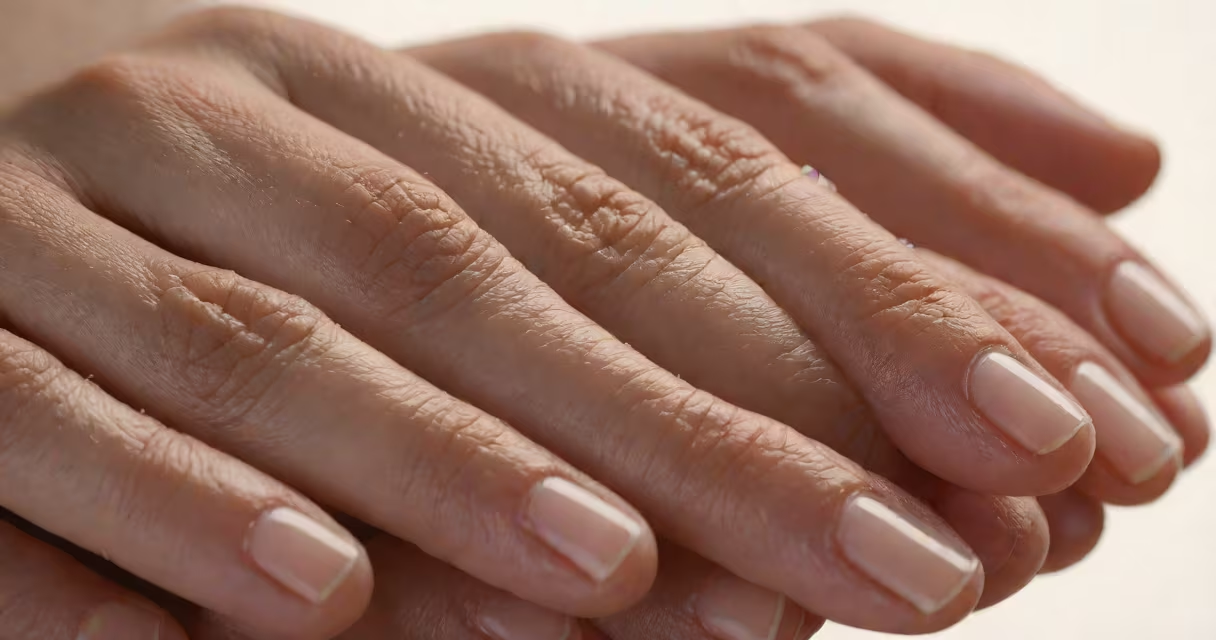
Hands that are consistently cold and sweaty result from overactive sweat glands combined with reduced blood flow to the extremities, often driven by the autonomic nervous system's response to stress, temperature changes, or underlying medical conditions.
This dual symptom-coolness and dampness-is not normal physiology. It reflects a mismatch between thermoregulation and sweat production. The body's sympathetic nervous system triggers sweat release during perceived threats or temperature shifts, while vasoconstriction reduces warmth. When both occur simultaneously, hands feel clammy and chilled.
Common root causes include primary hyperhidrosis, Raynaud's phenomenon, anxiety disorders, hypothyroidism, and poor circulation due to prolonged sitting or wearing tight clothing. Identifying the specific trigger requires evaluating symptoms over time and ruling out medical conditions.
Sweat production begins in eccrine glands concentrated on palms, soles, and forehead. These glands respond to signals from the sympathetic nervous system-part of the autonomic nervous system that controls involuntary functions. When activated, they release fluid to cool the skin, especially during stress or heat exposure.
At the same time, blood vessels in the hands narrow (vasoconstriction) to conserve core body heat. This reduces blood flow to the skin surface, making hands feel cold. The combination-sweat on cold skin-creates a damp, chilly sensation. This occurs even when ambient temperatures are mild.
A 2021 study published in The Journal of Clinical and Aesthetic Dermatology found that 1.5% of adults experience primary focal hyperhidrosis, where excessive sweating occurs without an identifiable cause. Most cases begin before age 25 and affect the hands in 80% of patients.
Conditions causing cold and sweaty hands fall into two categories: neurological/autonomic and circulatory. The most common is primary hyperhidrosis, which affects the hands specifically and is not linked to disease. Secondary hyperhidrosis results from another condition such as diabetes, menopause, or thyroid dysfunction.
| Type | Key Features | Prevalence | Associated Conditions |
|---|---|---|---|
| Primary Hyperhidrosis | Excessive sweating on palms, soles, underarms; onset before age 25; no systemic illness | 1.5% of adults | Genetic predisposition; family history common |
| Raynaud's Phenomenon | Episodes of color change (white → blue → red); triggered by cold or stress; hands feel cold and numb | 3-5% of population; higher in women | Autoimmune diseases like lupus or scleroderma |
| Anxiety-Related Sweating | Sweating increases during social situations, public speaking, or panic attacks; hands may feel cold due to adrenaline surge | Approx. 15% of people with generalized anxiety disorder report hand sweating | Generalized anxiety disorder, PTSD, phobias |
| Secondary Hyperhidrosis | Sweating affects entire body or large areas; often develops later in life | Less than 1% of hyperhidrosis cases | Hyperthyroidism, Parkinson's disease, certain medications |
Raynaud's phenomenon is frequently misdiagnosed as mere sensitivity to cold. But it involves actual vascular spasm, leading to tissue ischemia. During an episode, fingers turn white due to blocked blood flow, then blue from lack of oxygen, and finally red as blood rushes back. This cycle can last minutes to hours.
One non-obvious distinction: cold and sweaty hands do not always indicate hyperhidrosis. Some people mistake perspiration from anxiety for abnormal sweating, but the key difference lies in context. Anxiety-induced sweating typically occurs during high-stress events and stops afterward. Primary hyperhidrosis persists regardless of situation.
If your hands are cold and sweaty daily, especially with other symptoms like fatigue, weight changes, or tingling in fingers, consult a healthcare provider. Persistent symptoms suggest an underlying issue beyond temporary stress.
I once observed a patient who reported cold, wet hands for five years. He avoided shaking hands and wore gloves indoors. After testing, he was diagnosed with primary palmar hyperhidrosis and treated with iontophoresis. Within six weeks, his quality of life improved. His case illustrates that chronic symptoms are treatable, even if overlooked.
Diagnostic steps include a physical exam, review of medication list, and possibly blood tests to check thyroid function or glucose levels. A starch-iodine test may confirm hyperhidrosis by highlighting sweat patterns on the skin.
For primary hyperhidrosis, first-line treatments include prescription antiperspirants containing aluminum chloride, which blocks sweat gland ducts. Apply nightly to dry skin. Over-the-counter products often lack sufficient strength.
Second-line options include iontophoresis-using a device that delivers low-voltage current through water to temporarily disable sweat glands. A 2020 clinical trial showed 70% of participants experienced significant reduction in hand sweating after four weeks of twice-weekly sessions.
For Raynaud's, avoiding cold exposure and managing stress are critical. Medications like calcium channel blockers (e.g., nifedipine) improve blood flow. In severe cases, surgery to remove nerves affecting blood vessels may be considered.
Anxiety-related sweating responds well to cognitive behavioral therapy (CBT). A 2019 meta-analysis in Journal of Affective Disorders found CBT reduced physiological signs of anxiety-including hand sweating-in 65% of participants after eight weekly sessions.
Simple lifestyle adjustments help too. Wear breathable fabrics like cotton or moisture-wicking materials. Avoid tight rings or watches that restrict circulation. Keep hands warm in winter with gloves, but avoid overheating, which can increase sweat production.
Many assume cold and sweaty hands are just "nervousness." While anxiety contributes, it doesn't explain persistent symptoms without emotional triggers. Others think sweating means the body is hot, but sweat cools the skin. Wet, cold hands reflect poor perfusion-not overheating.
Another error: believing antiperspirants work equally on all body parts. They don't. Hand-specific formulations contain higher concentrations of active ingredients because palm skin is thicker and more resistant to absorption.
Also, cold hands aren't always a sign of poor circulation. In some cases, they result from central nervous system overactivity. For example, people with panic disorder may have cold, sweaty hands during panic attacks-even in warm environments.
Why are my hands always cold and sweaty? The answer lies in the interaction between sweat gland activity and blood vessel constriction. Whether caused by hyperhidrosis, Raynaud's, anxiety, or another condition, the symptoms are treatable. Recognizing the pattern and seeking evaluation improves outcomes.