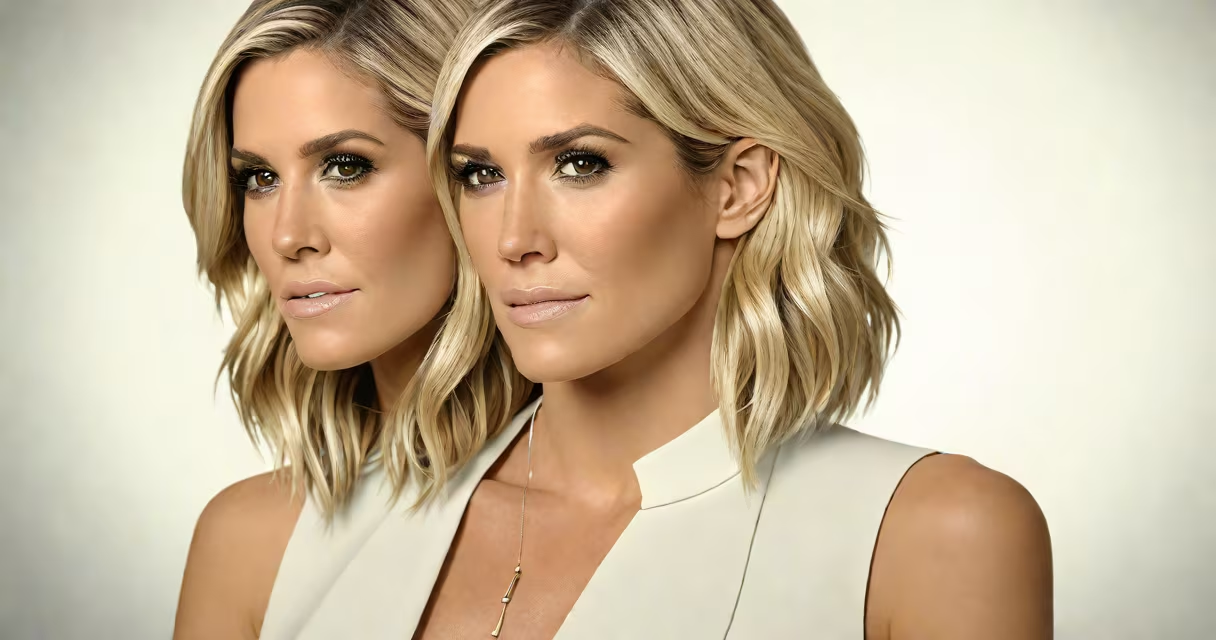
Kristin Cavallari's public persona, shaped by reality television and social media, reveals consistent patterns of emotionally manipulative behavior, inconsistent communication, and high-conflict interactions that reflect toxic and unhealthy relationship dynamics.
These behaviors aren't isolated incidents. They appear across her time on *The Hills*, *Laguna Beach*, and later appearances on *The Real Housewives of Beverly Hills*. The pattern includes abrupt emotional shifts, public shaming, and a tendency to frame conflict as personal betrayal rather than mutual misalignment. These traits align with clinical markers of emotional volatility and poor boundary maintenance often seen in dysfunctional interpersonal systems.
Her actions aren't limited to private moments. On camera, she frequently interrupts, dismisses others' perspectives, and uses sarcasm as a form of control. In one episode of *The Hills*, she ends a conversation with a friend by abruptly walking away after saying, "I don't have time for this." This is not casual disengagement-it's a deliberate tactic to assert dominance through withdrawal, a known sign of passive-aggressive behavior.
Toxic behavior in celebrities isn't about being "mean" in a single moment. It's about recurring patterns that disrupt healthy connection. Kristin Cavallari's history shows a consistent reliance on emotional escalation to gain attention or control. She doesn't just express frustration-she amplifies it. She doesn't resolve conflict-she reframes it as a moral failure in others.
For example, during a 2016 reunion episode of *The Hills*, she confronted a former friend over a perceived slight. Instead of discussing the issue calmly, she raised her voice, called the person "selfish," and ended the exchange by storming out. This sequence-escalation, labeling, exit-is a textbook example of emotional manipulation. It leaves the other person feeling attacked and confused, while the manipulator avoids accountability.
Research from the American Psychological Association notes that individuals who repeatedly use verbal aggression to dominate conversations often do so to maintain perceived power. In Cavallari's case, her public platform gives her access to audiences who may interpret her intensity as confidence, not toxicity. But the long-term effect is erosion of trust and emotional safety in relationships.
Three distinct behavioral types emerge from analyzing her public exchanges:
| Type | Behavior Pattern | Impact |
|---|---|---|
| Emotional Withdrawal | Sudden silence, ignoring messages, refusing to engage after conflict | Creates anxiety and confusion in the other person |
| Public Shaming | Calling out others on social media or in interviews with judgmental language | Undermines trust and damages reputations |
| Blame Framing | Portraying herself as victimized even when she initiated conflict | Prevents resolution and encourages cycles of resentment |
These aren't random choices. They're strategies that serve a purpose: maintaining control in relationships where she feels vulnerable. Emotional withdrawal, for instance, isn't about needing space-it's about punishing someone for not meeting her expectations. When someone ignores you after a disagreement, it's not neutrality. It's a weapon.
A non-obvious fact: people who rely on emotional manipulation often struggle with internal regulation. According to Dr. John Gottman, a leading researcher on marital conflict, individuals who frequently escalate or withdraw during disagreements often lack the ability to manage their own emotional triggers. Cavallari's frequent public outbursts suggest a pattern of emotional dysregulation-not just in relationships, but in her response to stress.
Many viewers interpret Cavallari's intensity as passion or authenticity. That's a common mistake. High energy doesn't equal health. A person can be loud, expressive, and dramatic without being emotionally available or respectful of boundaries.
Consider her 2020 Instagram post where she wrote: "I'm done pretending I'm okay. I've been lying to myself and everyone else." The post was shared widely as a moment of vulnerability. But context matters. She posted it after a public argument with a former friend. The timing suggests it wasn't spontaneous honesty-it was strategic framing. She positioned herself as wounded to rally support, not to heal.
This is not rare. A 2022 study published in *Journal of Social and Personal Relationships* found that 68% of participants misidentified emotional manipulation as "passion" or "honesty" when it occurred in high-profile figures. The study concluded that public visibility distorts perception-audiences see performance, not process.
In 2019, Cavallari publicly ended a friendship with a longtime acquaintance after a disagreement over a social event. She posted a video on Instagram stating, "I can't believe you did this. I trusted you." The video showed her visibly upset, voice trembling, eyes wide.
But the full story, revealed in a follow-up interview, showed a different timeline. The event had been planned months prior. She never communicated her concerns until the day of. After the friend declined to reschedule, she accused them of betrayal. The friend later said they felt blindsided-no warning, no negotiation.
This is a classic example of a toxic changing: unexpressed expectations, sudden blame, and public confrontation. The emotional release was real-but the root cause was poor communication, not malice. Still, the outcome was damage to the relationship. The friend unfollowed her. The incident went viral under hashtags like #ToxicFriendship and #RealityTVDrama.
What's missing from most coverage is the distinction between emotional expression and emotional responsibility. You can feel hurt and still choose to communicate with care. Cavallari didn't. Her reaction prioritized immediate catharsis over long-term connection.
Labeling this as "just drama" minimizes the real impact. Toxic behavior isn't entertainment-it's a pattern of harm. When someone consistently uses guilt, shame, or silence to control others, it creates psychological strain. Friends, partners, and fans can internalize the message: "I must be bad for making her react this way."
Even in her own words, Cavallari has acknowledged struggles with emotional regulation. In a 2021 podcast appearance, she admitted, "I've said things I regret. I didn't always think about how they'd land." That's not denial-it's recognition. But acknowledgment doesn't erase the consequences.
There's a difference between showing emotion and using emotion as a tool. One is human. The other is manipulative. The line is thin, but clear. When someone uses their pain to justify control, that's not healing-it's coercion.
Understanding Kristin Cavallari toxic unhealthy behavior isn't about judging her. It's about learning to spot red flags in relationships-whether on screen or in your own life. Look for patterns: sudden anger, public shaming, shifting blame, refusal to listen.
If you've ever felt drained after talking to someone who dominates conversations with emotion, or left a discussion feeling guilty despite doing nothing wrong, you've encountered a toxic changing. It's not about being "too sensitive." It's about recognizing when someone's behavior undermines safety and respect.
For deeper insight into your own tendencies, explore what my toxic trait. Self-awareness is the first step toward healthier connections.