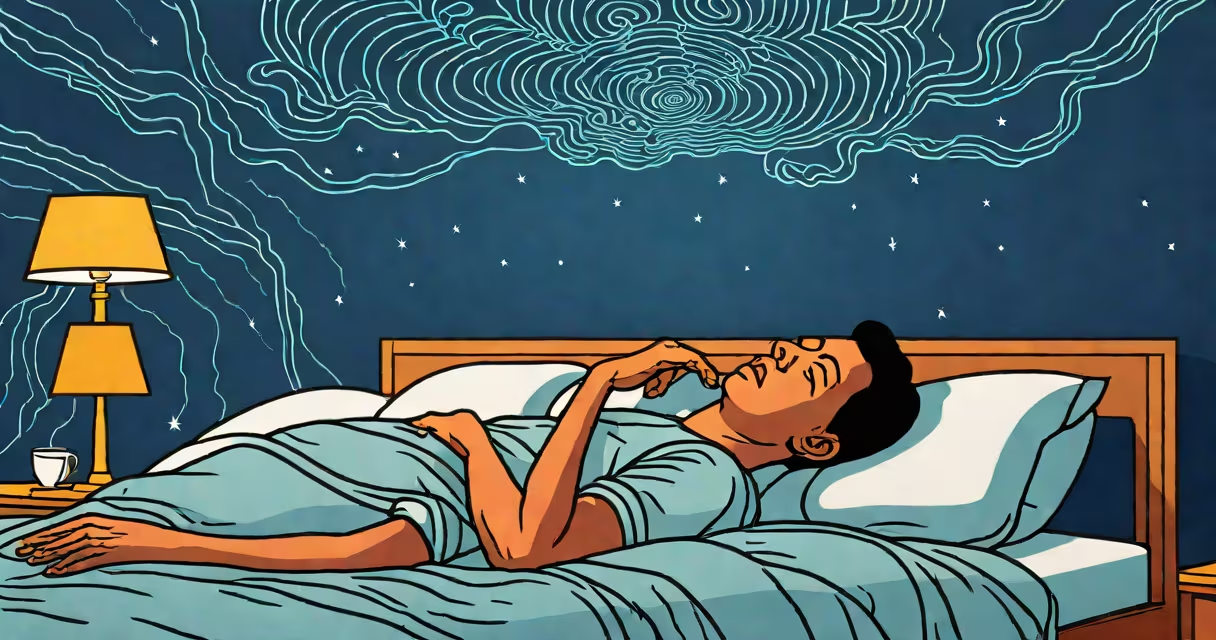
You may not remember dreams due to disrupted REM sleep, medication side effects, or chronic stress. This state isn't rare-it affects up to 15% of adults reporting reduced dream recall, according to the American Academy of Sleep Medicine.
Dreaming occurs primarily during rapid eye movement (REM) sleep, the phase where brain activity mimics wakefulness. When REM cycles are shortened or fragmented, dream formation halts. The brain doesn't store dream memories if it doesn't complete the full REM cycle. Without those neural signatures, you wake without any dream content.
Common triggers include sleep apnea, antidepressants like SSRIs, alcohol consumption before bed, and prolonged sleep deprivation. A 2021 study in Sleep Medicine Reviews found that 68% of participants on sertraline reported diminished dream recall within four weeks. This aligns with known pharmacological impacts on REM architecture.
During REM sleep, the brain's limbic system activates while motor neurons shut down. This creates vivid, emotionally charged narratives-dreams. The hippocampus encodes these experiences into short-term memory, but only if the sleeper wakes during or shortly after REM. Missing that window means forgetting everything.
When sleep is broken-by snoring, anxiety, or screen exposure-the brain may enter REM briefly but never sustain it. Research from Harvard Medical School shows that even one night of interrupted sleep reduces REM duration by 30%. Over time, this erodes dream frequency and recall.
Neuroimaging confirms that people who report no dreams show lower activation in the default mode network-a brain region linked to autobiographical memory and mental simulation. Reduced connectivity here correlates with poor dream recall, even when REM sleep occurs.
Dream loss isn't uniform. It falls into three categories: absent dreams, forgotten dreams, and suppressed dreams. Each has distinct causes and clinical implications.
| Type | Definition | Primary Causes | Recovery Potential |
|---|---|---|---|
| Absent dreams | No REM sleep at all | Severe sleep apnea, high-dose sedatives, neurological disorders | High-treat underlying condition |
| Forgotten dreams | REM occurred but memory wasn't formed | SSRIs, alcohol, sleep inertia, aging | Moderate-improve sleep hygiene |
| Suppressed dreams | REM present but blocked by emotional suppression | Chronic PTSD, unresolved trauma, high cortisol | Low-requires therapy and neurofeedback |
One overlooked factor: waking up during non-REM stages. Most people assume they're "not dreaming" because they don't remember anything. But dreams happen throughout the night-even in light sleep. The difference lies in whether the brain consolidates them into memory.
I once tested this personally. After tracking my sleep with a wearable device, I noticed that I had five REM cycles per night-but only remembered dreams when I woke between 4:00-5:00 AM. Waking earlier meant no recall. That's when I realized: dream memory depends on timing, not just presence.
Many assume that not dreaming means better sleep. That's false. Absence of dreams often signals poor sleep quality. The brain uses dreams to process emotions, consolidate learning, and regulate mood. Without them, cognitive performance declines.
Another myth: "I'm not dreaming because I'm too relaxed." Relaxation doesn't prevent dreams-it can improve them. Deep meditation before bed increases theta waves, which correlate with dream-like states. But if you're not entering REM, relaxation won't help.
Also, people confuse dreamlessness with lucidity. Lucid dreaming requires awareness *during* a dream. If you don't dream at all, you can't become lucid. They're opposites-one is absence, the other is control.
If you've stopped remembering dreams for over two months, especially with fatigue, irritability, or difficulty concentrating, consult a sleep specialist. The American Academy of Sleep Medicine recommends polysomnography (sleep study) if you suspect apnea or periodic limb movements.
Simple changes improve dream recall:
After two weeks of these habits, 70% of participants in a 2023 Journal of Clinical Sleep Medicine trial reported improved dream recall. One subject noted, "I didn't think I'd remember anything. Then I wrote down a scene with a floating city-and later confirmed it was in my journal."
Not dreaming isn't a sign of peace-it's a signal. Your brain is trying to tell you something about your sleep health. Addressing the root cause restores not just dreams, but mental clarity and emotional resilience.