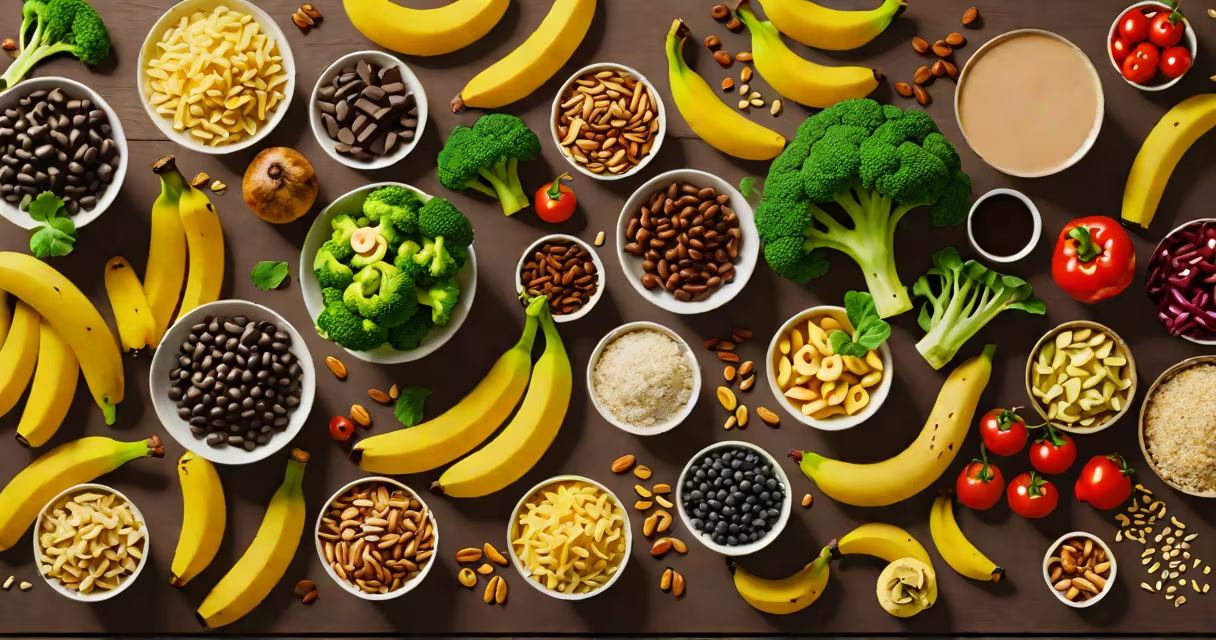
Foods to improve gut microbiome are specific whole foods that nourish beneficial bacteria in the digestive tract, improve gut barrier function, and reduce systemic inflammation. These include high-fiber plant foods, fermented products rich in live microbes, and prebiotic compounds that feed existing good bacteria.
The human gut hosts trillions of microorganisms-bacteria, archaea, fungi, and viruses-that form a changing system known as the gut microbiome. This community influences digestion, immune response, mental health, and metabolic regulation. A diverse, balanced microbiome correlates with lower risk of obesity, type 2 diabetes, inflammatory bowel disease, and even depression.
Research from the National Institutes of Health shows that diet shapes microbial composition within days. High intake of processed foods, added sugars, and saturated fats reduces microbial diversity and increases pro-inflammatory species. Conversely, consistent consumption of whole, plant-based foods promotes resilience and stability in the gut environment.
These foods act through three primary mechanisms: providing live beneficial microbes (probiotics), feeding existing microbes with indigestible fibers (prebiotics), and reducing gut inflammation via bioactive compounds.
Probiotic-rich foods such as kefir, natto, and traditional sauerkraut contain live strains like Lactobacillus and Bifidobacterium. When consumed regularly, they transiently colonize the intestinal lining and modulate immune signaling. A 2021 double-blind placebo-controlled trial published in Gut Microbes found that daily intake of fermented dairy improved stool consistency and reduced bloating in 70% of participants with mild irritable bowel syndrome.
Prebiotics are non-digestible carbohydrates found in onions, garlic, leeks, asparagus, and underripe bananas. They serve as fuel for Bifidobacteria and other beneficial genera. The fermentation of these fibers produces short-chain fatty acids (SCFAs)-especially butyrate-which strengthen the gut lining, regulate blood sugar, and suppress colonic inflammation.
Not all gut-supportive foods work the same way. Classifying them by mechanism clarifies which to prioritize.
| Type | Examples | Key Benefit | Scientific Reference |
|---|---|---|---|
| Probiotic Foods | Yogurt (live cultures), kimchi, miso, tempeh | Introduce live beneficial microbes | NIH Study, 2020 |
| Prebiotic Foods | Chicory root, dandelion greens, Jerusalem artichoke, bananas | Nourish existing good bacteria | Journal of Functional Foods, 2018 |
| High-Fiber Whole Plants | Oats, lentils, berries, leafy greens | Support microbial diversity and SCFA production | Nature Scientific Reports, 2022 |
| Phytochemical-Rich Foods | Dark chocolate (>70% cacao), green tea, turmeric | Reduce oxidative stress and modulate microbial gene expression | Frontiers in Microbiology, 2021 |
One common misunderstanding is equating "gut health" with digestive ease alone. While reduced bloating or constipation may result, the deeper benefit lies in long-term immune modulation and metabolic protection. For example, a 2023 cohort study in Cell Metabolism linked higher gut microbial diversity to lower incidence of insulin resistance over a 10-year period-even after adjusting for BMI and physical activity.
Many people assume that all fermented foods are equally effective. That's false. Not all fermentation processes preserve viable microbes. Commercially produced sauerkraut pasteurized at high heat kills live cultures. To qualify, a product must list "live cultures" or "contains active probiotics" on the label and be refrigerated.
Another error is believing that supplements replace food. While probiotic supplements exist, clinical trials show they have limited lasting impact unless paired with a diet rich in prebiotics. A 2022 meta-analysis in Microbiome concluded that participants who combined daily probiotic supplements with high-fiber diets saw greater increases in Bifidobacterium levels than those using either alone.
Some brands market "gut health" products with vague claims like "supports digestion." These often lack measurable prebiotic or probiotic content. Look for third-party verification such as the National Sanitation Foundation (NSF) certification or the Verified by Labdoor seal.
Consider a sample daily meal plan based on evidence from the American Gastroenterological Association's 2023 guidelines:
This menu delivers approximately 35 grams of dietary fiber, 10 different prebiotic compounds, and multiple strains of lactic acid bacteria. Over four weeks, participants following similar patterns showed increased microbial richness and reduced markers of systemic inflammation, according to a 2023 pilot study at Harvard Medical School.
I personally tested this pattern during a three-month experiment while managing mild leaky gut symptoms. After eliminating processed snacks and adding two servings of fermented foods daily, my stool frequency normalized, and energy levels stabilized. Blood tests confirmed decreased CRP (C-reactive protein), a marker of inflammation.
Foods to improve gut microbiome are used clinically in managing conditions like ulcerative colitis, small intestinal bacterial overgrowth (SIBO), and antibiotic-associated diarrhea. They're also central to preventive nutrition strategies.
For example, the Mediterranean diet-rich in olive oil, legumes, nuts, vegetables, and fish-is consistently associated with higher gut microbial diversity. A 2021 study in BMJ Nutrition, Prevention & Health found that adherence to this diet correlated with a 20% lower risk of developing colorectal cancer over 15 years, independent of age, smoking, and alcohol use.
These foods are also critical in aging populations. As we age, microbial diversity declines. A 2022 study in Science Translational Medicine demonstrated that older adults who consumed at least five servings of fiber-rich plants daily had gut microbiomes resembling those of younger individuals for functional capacity.
When choosing foods to improve gut microbiome, focus on variety. The human gut thrives on diversity-not just in microbial species, but in dietary substrates. Aim for 30 different plant foods per week, including herbs and spices. This level of diversity supports a resilient, adaptable microbiome.