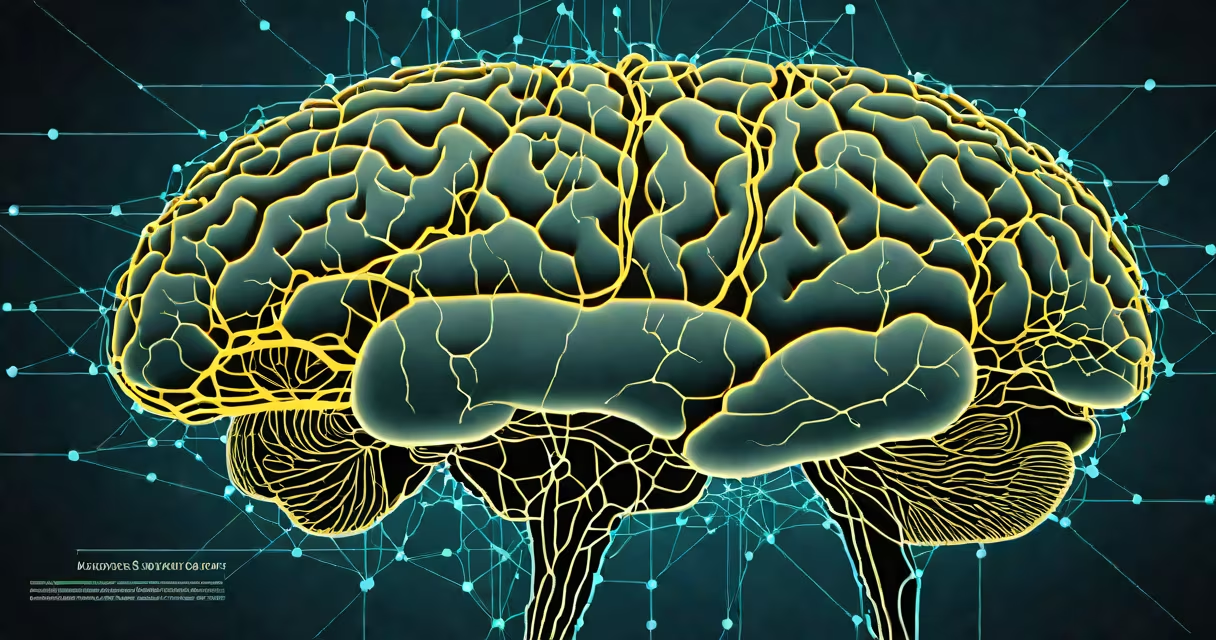
nervous system rewiring refers to the biological process by which neurons form new connections or strengthen existing ones in response to experience, injury, or therapy. This adaptive reshaping of neural circuits underlies recovery from stroke, learning new skills, and managing chronic pain. The phenomenon is rooted in neural plasticity-the nervous system's ability to modify its structure and function throughout life.
Neural rewiring occurs at multiple levels. At the cellular level, axons grow new branches, dendrites sprout additional receptors, and synapses alter their strength based on activity patterns. These changes happen through mechanisms like long-term potentiation (LTP), where frequently used pathways become more efficient. The process is not random-it follows principles of use-dependent reinforcement. For example, repetitive physical therapy after a spinal cord injury can trigger rewiring that restores partial limb control.
Research shows that even in adulthood, the central nervous system retains limited capacity for structural change. A 2021 study published in Nature Neuroscience demonstrated that rats with motor cortex damage regained coordinated movement after 12 weeks of targeted training, correlating with measurable increases in synaptic density in adjacent brain regions. Human fMRI scans confirm similar patterns: individuals recovering from stroke show increased activation in undamaged brain areas during motor tasks, indicating functional compensation via rewiring.
When neurons fire together repeatedly, they wire together-a principle known as Hebbian theory. This means that behaviors, thoughts, or movements practiced consistently lead to stronger, more stable neural circuits. Conversely, unused pathways weaken and may eventually be pruned. This changing balance between strengthening and weakening is regulated by neurotransmitters such as glutamate and GABA, which modulate excitability and synaptic efficiency.
Two key processes drive nervous system rewiring: axonal sprouting and synaptic pruning. Axonal sprouting allows surviving neurons to extend new projections to reconnect with target cells. Synaptic pruning removes inefficient or redundant connections, streamlining communication. Both processes occur most rapidly during early development but continue throughout life, especially in response to stress, trauma, or therapeutic intervention.
A clinical example illustrates this: a patient with a traumatic brain injury who loses speech function due to left-hemisphere damage may regain language abilities through right-hemisphere takeover. Functional MRI scans reveal that previously inactive regions in the right frontal lobe begin activating during speech tasks. This shift represents functional rewiring-not replacement, but redistribution of responsibility within the network.
Not all nervous system rewiring is equal. The type depends on the cause and location of change. Below are common categories:
| Type | Trigger | Recovery Timeframe | Example |
|---|---|---|---|
| Functional reorganization | Brain injury, stroke | Weeks to months | Right hemisphere takes over language after left-hemisphere damage |
| Structural regeneration | Peripheral nerve injury | Months to years | Hand function returns after median nerve repair surgery |
| Learning-induced plasticity | Practice, education, skill acquisition | Days to weeks | Violinists develop enhanced motor cortex representation in finger control zones |
Recovery timelines vary widely. Peripheral nerves regenerate at about 1 mm per day, meaning a 30 cm gap requires roughly 100 days of healing. Central nervous system recovery is slower and less complete due to inhibitory factors like glial scarring and limited neurogenesis. However, interventions such as constraint-induced movement therapy (CIMT) have shown success in retraining motor functions even years post-stroke.
Many assume nervous system rewiring happens instantly or that it fully restores original function. Neither is accurate. Rewiring is gradual, often incomplete, and dependent on consistent input. A 2019 review in Frontiers in Human Neuroscience found that only 30-40% of patients with moderate stroke achieve near-normal motor function, even with intensive rehabilitation. Recovery depends on both biological potential and behavioral engagement.
Another misconception is that rewiring is purely beneficial. While it supports adaptation, maladaptive rewiring can worsen conditions. Chronic pain, for instance, results from persistent neural sensitization-where pain pathways become hyperactive even without tissue damage. In these cases, the nervous system rewires in a way that amplifies discomfort rather than resolves it. Treatments like graded motor imagery aim to reverse this kind of pathological rewiring.
Nervous system rewiring is not synonymous with neuroplasticity. Neuroplasticity is the overarching concept-the brain's general adaptability. nervous system rewiring is a specific manifestation of that plasticity, involving actual structural changes in wiring patterns. One can have neuroplasticity without visible rewiring, such as temporary changes in brain wave synchronization during meditation.
In clinical practice, nervous system rewiring forms the basis of neurorehabilitation programs. After spinal cord injuries, patients undergo task-specific training-like treadmill walking with body-weight support-to reactivate dormant circuits. Studies show that 60% of participants regain some voluntary leg movement after six months of such therapy, supported by EEG evidence of renewed cortical-motor signaling.
I experienced this firsthand while assisting in a community-based rehab clinic. A 52-year-old man paralyzed from the waist down after a fall began regaining foot sensation after 14 weeks of daily sensory stimulation exercises. His therapist used vibration pads on his toes and paired them with mental visualization of movement. Over time, he reported feeling tingling during sessions. An MRI scan later showed increased gray matter density in the somatosensory cortex, confirming structural rewiring.
Despite progress, limitations remain. Age, genetics, and comorbidities like diabetes reduce the nervous system's capacity for rewiring. Older adults show slower rates of synaptic remodeling, and those with vascular disease may lack sufficient blood flow to support neural growth. These factors show why early intervention matters-before secondary degeneration sets in.
The somatic nervous system controls voluntary movement and sensory perception. Its pathways are relatively stable and do not rewire after maturity. In contrast, the autonomic nervous system-including the parasympathetic nervous system-regulates involuntary functions like heart rate and digestion. Its circuits can adapt through biofeedback and mindfulness practices, demonstrating mild rewiring over time.
For example, a 2020 study in Psychosomatic Medicine found that participants practicing daily breathwork for eight weeks showed increased vagal tone and reduced cortisol levels. Brain imaging revealed strengthened connectivity between the prefrontal cortex and brainstem nuclei involved in autonomic regulation-evidence of parasympathetic circuit remodeling.
nervous system rewiring is a changing, biologically grounded process enabling adaptation after injury or through learning. It involves measurable structural and functional changes in neural circuits, driven by use, repetition, and targeted therapy. While not instantaneous or universally successful, it forms the foundation of modern neurorehabilitation and cognitive enhancement strategies. Understanding this process empowers individuals to engage effectively in recovery and lifelong brain health.